
Contents
Overview
Green shipping technologies represent a critical wave of innovation aimed at decarbonizing the global maritime industry. These advancements encompass a spectrum of solutions, from alternative fuels like ammonia, methanol, and hydrogen to energy efficiency measures such as advanced hull coatings and rotor sails. The push for greener shipping is driven by increasingly stringent environmental regulations and growing pressure from consumers and investors demanding greater corporate responsibility. While the transition presents substantial challenges, including high upfront costs for new vessels and retrofits, and the need for new bunkering infrastructure, the potential benefits—reduced environmental impact, improved operational efficiency, and enhanced brand reputation—are driving rapid development and adoption.
🎵 Origins & History
The concept of 'green shipping' isn't entirely new; for millennia, wind power was the sole propulsion method for maritime trade. However, early efforts focused on reducing sulfur oxide (SOx) and nitrogen oxide (NOx) emissions through technologies like exhaust gas cleaning systems. The subsequent focus shifted dramatically towards carbon dioxide (CO2) reduction, particularly after the Paris Agreement in 2015, which galvanized international efforts to curb global warming. This led to a surge in research and development for alternative fuels and propulsion systems, moving beyond mere compliance to proactive decarbonization.
⚙️ How It Works
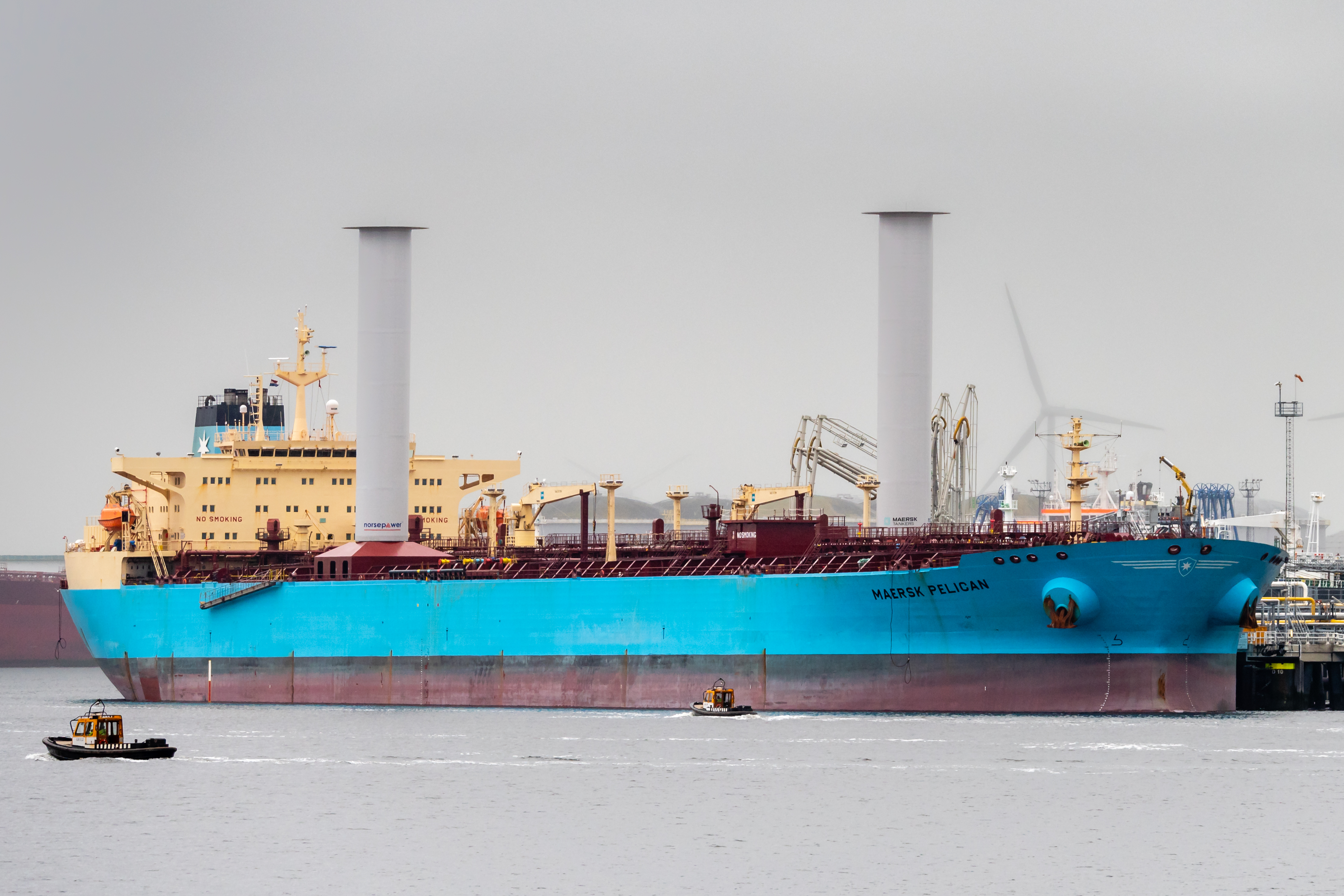
Green shipping technologies operate on several fundamental principles. Alternative fuels, such as liquefied natural gas (LNG), biofuels, methanol, ammonia, and hydrogen, aim to replace or supplement traditional heavy fuel oil (HFO) with lower-carbon or zero-carbon alternatives. Energy efficiency is achieved through aerodynamic hull designs, air lubrication systems that reduce friction, and wind-assisted propulsion systems like rotor sails and rigid wing sails that harness wind power. Digitalization plays a crucial role, with route optimization software and predictive maintenance systems minimizing fuel consumption and operational downtime. Furthermore, advancements in propeller design and waste heat recovery systems capture and reuse energy that would otherwise be lost.
📊 Key Facts & Numbers
The scale of the challenge and the potential impact of green shipping are immense. Currently, pilot projects for hydrogen fuel cell technology are underway for smaller vessels and ferries. Major retailers and manufacturers are increasingly demanding that their shipping partners meet stringent environmental standards.
👥 Key People & Organizations
Key figures and organizations are driving the green shipping revolution. The International Maritime Organization (IMO) sets global regulations and targets. Major shipping lines like A.P. Moller – Maersk, CMA CGM, and Evergreen Marine are investing heavily in new, greener fleets and retrofits. Technology providers such as Wailes Wind Assistance, SkySails, and Anemoi Marine Technologies are developing innovative wind-assist solutions. Fuel producers and energy companies, including Shell plc and ExxonMobil, are exploring the production and supply of green ammonia and e-methanol. Research institutions like Kongsberg Maritime and universities worldwide are conducting vital R&D into new propulsion and fuel technologies. Prominent figures like Søren Toft (CEO of MSC) and Henrik Hololei (Director-General for Mobility and Transport at the European Commission) are influential voices advocating for faster decarbonization.
🌍 Cultural Impact & Influence
The cultural shift towards green shipping is profound, moving the industry from a perception of being a major polluter to a potential leader in sustainable logistics. This transformation is influencing global supply chains, with major retailers and manufacturers increasingly demanding that their shipping partners meet stringent environmental standards. The visibility of green technologies, such as large rotor sails on container ships, is raising public awareness about the challenges and solutions in maritime decarbonization. This increased scrutiny and demand for transparency are fostering a new era of corporate responsibility, where environmental performance is as critical as cost and speed. The narrative is shifting from 'business as usual' to a proactive pursuit of ecological stewardship, impacting everything from port development to crew training.
⚡ Current State & Latest Developments
The current landscape of green shipping technologies is dynamic and rapidly evolving. Pilot projects for hydrogen fuel cell technology are underway for smaller vessels and ferries. The development of global bunkering infrastructure for alternative fuels remains a significant focus, with new supply chains being established in key ports worldwide. Regulatory bodies, including the European Union with its Fit for 55 package, are implementing stricter emissions targets, further accelerating the adoption of green solutions. Retrofitting existing fleets with technologies like rotor sails and kite propulsion is also gaining momentum as a cost-effective way to reduce emissions on older vessels.
🤔 Controversies & Debates
The transition to green shipping is fraught with debate and controversy. A primary point of contention is the 'fuel of the future': while methanol and ammonia are promising, concerns persist regarding their production methods (whether they are truly 'green'), safety, and infrastructure requirements. The cost of green technologies remains a significant barrier, with many smaller operators struggling to afford the substantial upfront investment for new vessels or retrofits, leading to fears of a two-tiered industry. Critics also question the pace of regulatory change, arguing that the IMO's targets are not ambitious enough to meet the urgency of the climate crisis. Furthermore, the lifecycle emissions of alternative fuels, including production and transportation, are subject to ongoing scrutiny and debate.
🔮 Future Outlook & Predictions
The future of green shipping points towards a diversified fuel mix and widespread adoption of multiple decarbonization technologies. Experts predict that by 2040, a significant portion of the global fleet will be powered by alternative fuels, with ammonia and methanol likely dominating long-haul shipping, while hydrogen and battery-electric systems may be more prevalent for shorter routes and specialized vessels. Wind-assisted propulsion is expected to become a standard feature on new builds, complementing other fuel-saving measures. The development of advanced carbon capture technologies for onboard ships is also a potential future pathway, though its feasibility and scalability are still under investigation. Ultimately, achieving net-zero emissions will likely require a combination of these technologies, alongside significant improvements in operational efficiency and logistics.
💡 Practical Applications
Green shipping technologies have a wide range of practical applications across the maritime sector. For container ships, wind-assist systems like rotor sails and Flettner rotors are being installed to reduce fuel consumption on long-haul routes. Methanol and ammonia are being adopted as du
Key Facts
- Category
- technology
- Type
- topic