
Contents
- 🎵 Origins & History
- ⚙️ How It Works
- 📊 Key Facts & Numbers
- 👥 Key People & Organizations
- 🌍 Cultural Impact & Influence
- ⚡ Current State & Latest Developments
- 🤔 Controversies & Debates
- 🔮 Future Outlook & Predictions
- 💡 Practical Applications
- 📚 Related Topics & Deeper Reading
- Frequently Asked Questions
- References
- Related Topics
Overview
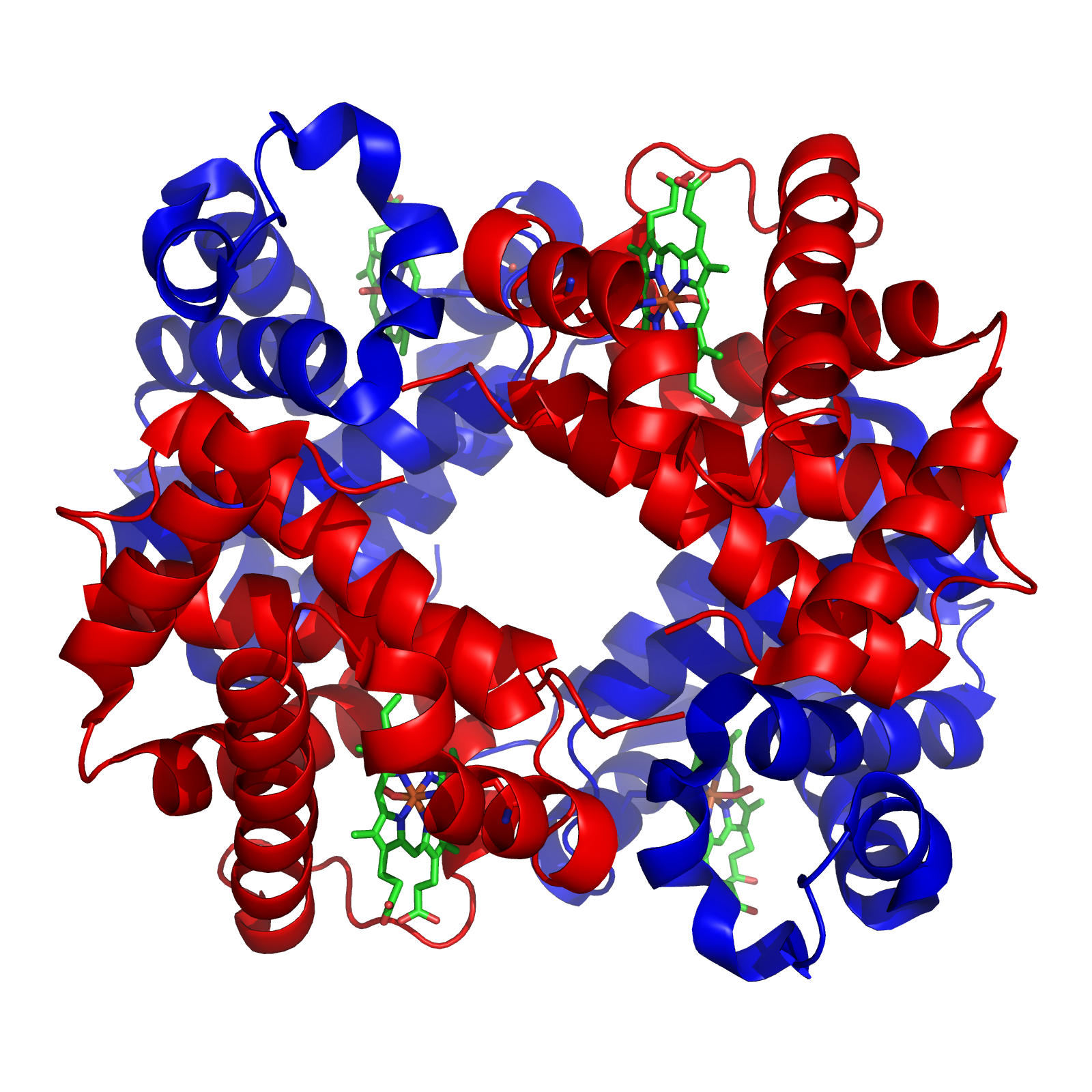
Globular proteins, also known as spheroproteins, are a type of protein that has a spherical shape, making them somewhat water-soluble. They are one of the four main types of proteins, along with fibrous, disordered, and membrane proteins. With over 100,000 known globular proteins, they play a crucial role in various biological processes, including enzyme activity, hormone regulation, and immune response. For instance, hemoglobin and myoglobin are two well-known globular proteins that facilitate oxygen transport in the body. The study of globular proteins has led to significant advancements in fields like biochemistry, biophysics, and structural biology, with researchers like Linus Pauling and Max Perutz making groundbreaking contributions. As of 2022, the Protein Data Bank (PDB) contains over 180,000 protein structures, including many globular proteins, with new structures being added at a rate of over 10,000 per year. The understanding of globular proteins has numerous practical applications, including the development of new drugs, such as insulin, and the improvement of existing therapies, like enzyme replacement therapy.
🎵 Origins & History
The concept of globular proteins dates back to the early 20th century, when scientists like Emil Fischer and Francis Crick began to study the structure and function of proteins. The term 'globin' was first introduced by Max Perutz in the 1960s to describe the specific fold of proteins like hemoglobin and myoglobin. Today, we know that globular proteins are found in all living organisms, from bacteria to humans, and play a vital role in maintaining cellular homeostasis. For example, protein kinase enzymes, which are globular proteins, regulate various cellular processes, including cell signaling and metabolism.
⚙️ How It Works
Globular proteins are characterized by their spherical shape, which is achieved through a specific arrangement of amino acids. The sequence of amino acids in a globular protein determines its three-dimensional structure, which in turn affects its function. There are several fold classes of globular proteins, including the globin fold, the immunoglobulin fold, and the lipocalin fold. Each fold class has a unique structure and function, and is often associated with specific biological processes, such as enzyme activity or hormone regulation. Researchers like David Baker and Debora Markowitz have made significant contributions to our understanding of globular protein structure and function.
📊 Key Facts & Numbers
There are over 100,000 known globular proteins, and they can be found in a wide range of organisms and tissues. Some examples of globular proteins include insulin, hemoglobin, and myoglobin. Globular proteins can be classified into several categories based on their function, including enzymes, hormones, and antibodies. For instance, lactate dehydrogenase is a globular protein that catalyzes the conversion of lactate to pyruvate, while growth hormone is a globular protein that regulates cell growth and division.
👥 Key People & Organizations
Many scientists have made significant contributions to our understanding of globular proteins, including Linus Pauling, Max Perutz, and Christiane Nusslein-Volhard. Organizations like the Protein Data Bank (PDB) and the National Institutes of Health (NIH) have also played a crucial role in advancing our knowledge of globular proteins. The PDB, for example, provides a comprehensive database of protein structures, including globular proteins, which has facilitated research in fields like structural biology and biochemistry.
🌍 Cultural Impact & Influence
Globular proteins have had a significant impact on our understanding of biology and medicine. They have been used to develop new drugs and therapies, such as insulin and enzyme replacement therapy. They have also been used to study various diseases, including diabetes and cancer. For instance, researchers have used globular proteins to develop new treatments for Parkinson's disease and Alzheimer's disease. The study of globular proteins has also led to a greater understanding of the molecular mechanisms underlying these diseases.
⚡ Current State & Latest Developments
Currently, researchers are using advanced techniques like X-ray crystallography and Nuclear Magnetic Resonance (NMR) spectroscopy to study the structure and function of globular proteins. New technologies like artificial intelligence and machine learning are also being used to predict the structure and function of globular proteins. For example, researchers have used deep learning algorithms to predict the binding affinity of globular proteins to specific ligands. As of 2023, the field of globular protein research is rapidly evolving, with new discoveries and advancements being made regularly.
🤔 Controversies & Debates
There are several controversies and debates surrounding globular proteins, including the use of genetic engineering to produce recombinant globular proteins. Some researchers have raised concerns about the potential risks and benefits of using genetically engineered globular proteins in medicine and agriculture. For instance, the use of genetically engineered bovine growth hormone has been linked to increased risk of breast cancer in some studies. Others have argued that the benefits of genetically engineered globular proteins, such as increased crop yields and improved disease resistance, outweigh the potential risks.
🔮 Future Outlook & Predictions
In the future, globular proteins are likely to play an increasingly important role in medicine and biotechnology. Researchers are currently exploring the use of globular proteins as biosensors and biocatalysts, and are also developing new therapies based on globular proteins. For example, researchers are using globular proteins to develop new treatments for infectious diseases and neurodegenerative disorders. As our understanding of globular proteins continues to grow, we can expect to see new and innovative applications of these molecules in the years to come.
💡 Practical Applications
Globular proteins have many practical applications, including the development of new drugs and therapies. They are also used in a variety of industrial processes, including the production of biofuels and bioplastics. For instance, researchers have used globular proteins to develop new biocatalysts for the production of bioethanol. Additionally, globular proteins are used in food industry as food additives and nutraceuticals. The study of globular proteins has also led to a greater understanding of the molecular mechanisms underlying various diseases, which has facilitated the development of new treatments and therapies.
Key Facts
- Year
- 1960s
- Origin
- Biochemistry and biophysics
- Category
- science
- Type
- concept
Frequently Asked Questions
What is the difference between globular and fibrous proteins?
Globular proteins are spherical and somewhat water-soluble, while fibrous proteins are long and insoluble in water. For example, keratin is a fibrous protein that provides structure to skin, hair, and nails, while hemoglobin is a globular protein that facilitates oxygen transport in the blood.
What are some examples of globular proteins?
Examples of globular proteins include insulin, hemoglobin, and myoglobin. These proteins have a wide range of functions, including hormone regulation, oxygen transport, and enzyme activity. For instance, lactate dehydrogenase is a globular protein that catalyzes the conversion of lactate to pyruvate.
What are the practical applications of globular proteins?
Globular proteins have many practical applications, including the development of new drugs and therapies, and the production of biofuels and bioplastics. For example, researchers have used globular proteins to develop new biocatalysts for the production of bioethanol. Additionally, globular proteins are used in the food industry as food additives and nutraceuticals.
How are globular proteins related to other topics in biochemistry and biophysics?
Globular proteins are related to many other topics in biochemistry and biophysics, including protein structure and protein function. They are also related to various diseases and disorders, including diabetes and cancer. For example, researchers have used globular proteins to study the molecular mechanisms underlying Alzheimer's disease and Parkinson's disease.
What are some of the current challenges and limitations in the field of globular protein research?
Some of the current challenges and limitations in the field of globular protein research include the need for more advanced technologies for protein structure determination, and the need for a better understanding of the relationships between protein structure and function. Additionally, there are concerns about the potential risks and benefits of using genetically engineered globular proteins in medicine and agriculture. For instance, the use of genetically engineered bovine growth hormone has been linked to increased risk of breast cancer in some studies.
What are some potential future directions for research on globular proteins?
Some potential future directions for research on globular proteins include the development of new therapies based on globular proteins, and the use of globular proteins as biosensors and biocatalysts. For example, researchers are using globular proteins to develop new treatments for infectious diseases and neurodegenerative disorders. Additionally, the study of globular proteins could lead to a greater understanding of the molecular mechanisms underlying various diseases, which could facilitate the development of new treatments and therapies.
How do globular proteins interact with other molecules in the body?
Globular proteins interact with other molecules in the body through a variety of mechanisms, including hydrogen bonding, ionic interactions, and van der Waals interactions. For example, hemoglobin interacts with oxygen through a process called cooperative binding, which allows it to facilitate oxygen transport in the blood. Additionally, globular proteins can interact with other proteins, DNA, and RNA molecules, which can affect their function and activity.