
Contents
Overview
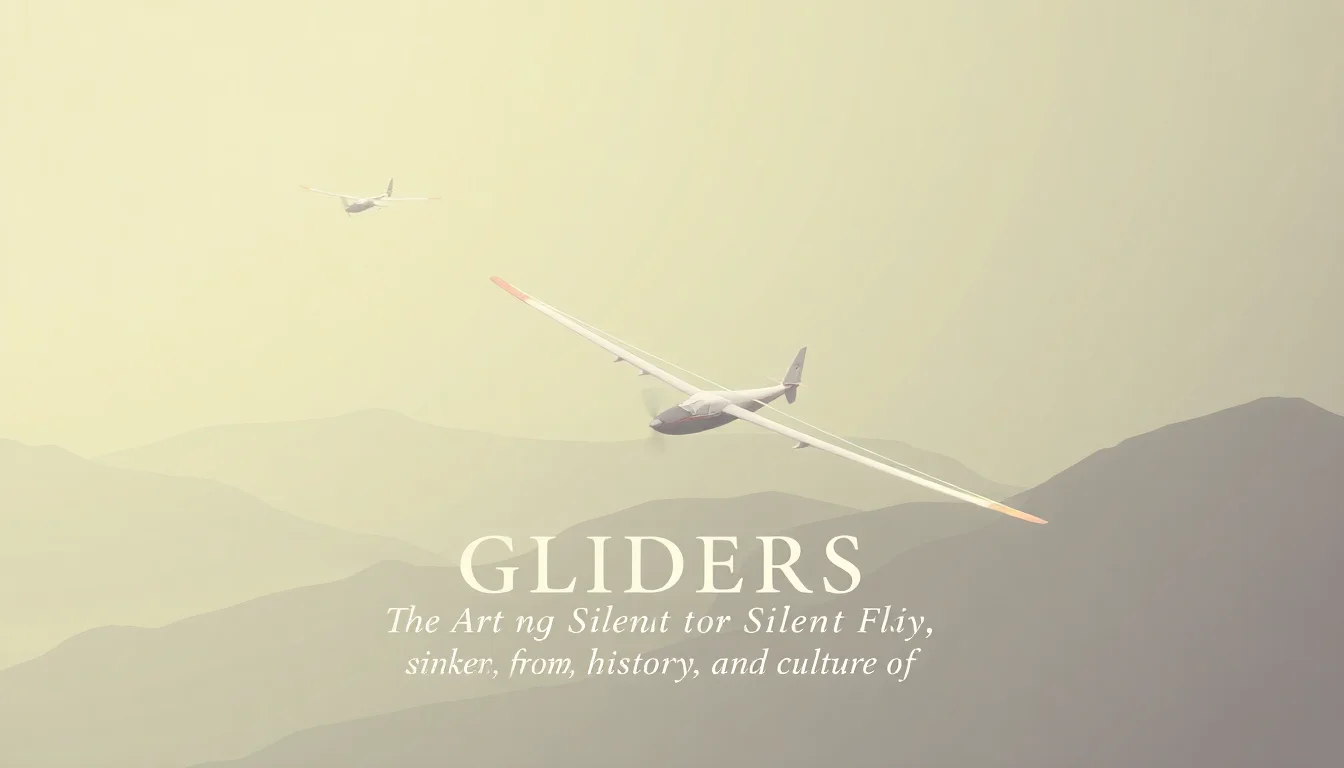
Gliders, or sailplanes, are aircraft designed for unpowered flight, relying on atmospheric lift to soar gracefully through the skies. Their origins trace back to the early 20th century, with pioneers like Otto Lilienthal and the Wright brothers experimenting with unpowered flight. The engineering behind gliders focuses on aerodynamics, with sleek designs that minimize drag and maximize lift. Gliding has evolved into a competitive sport, with events like the World Gliding Championships showcasing the skill and strategy involved. As technology advances, the future of gliding may see electric propulsion systems and enhanced materials, pushing the boundaries of silent flight.
📍 Location & Access
📍 Location & Access: Gliding clubs and schools are scattered across the globe, with notable hubs in the U.S., Europe, and Australia. In the U.S., the Soaring Society of America lists over 200 clubs, with popular locations like the California Soaring Club in Livermore and the New York State Soaring Association in Elmira. Most clubs offer access to airfields with dedicated facilities for gliders. Check specific club websites for operational hours, which typically run from dawn until dusk, depending on weather conditions. For a comprehensive list of clubs, visit Gliding Clubs Directory.
💰 Pricing & Plans
💰 Pricing & Plans: The cost of gliding can vary significantly based on location and the type of experience. Typically, introductory flights range from $100 to $300 per hour, while membership in a gliding club can cost between $200 and $1,000 annually, often including access to aircraft and training. Some clubs offer packages for lessons, with prices around $1,500 for a full course leading to a glider pilot license. For a breakdown of costs and potential discounts, refer to Gliding Costs Overview.
⭐ What People Say
⭐ What People Say: Enthusiasts rave about the serenity and thrill of gliding. Reviews on platforms like TripAdvisor highlight the breathtaking views and the unique experience of silent flight. Many pilots appreciate the community aspect of gliding, often forming lifelong friendships through shared experiences. However, some newcomers mention the steep learning curve associated with mastering glider controls. For firsthand accounts, check out Gliding Reviews.
🛠️ How Gliders Work
🛠️ How Gliders Work: Gliders are designed to fly without an engine, relying on aerodynamic efficiency and thermal currents. The wings are long and slender, providing lift while minimizing drag. Pilots use various techniques to gain altitude, such as soaring in thermals—rising columns of warm air. Understanding the physics of flight is crucial; for a deeper dive into the mechanics, see Glider Mechanics Explained.
📚 History of Gliding
📚 History of Gliding: The art of gliding dates back to the late 19th century, with pioneers like Otto Lilienthal, who made over 2,000 flights in his gliders. The first successful powered flight by the Wright brothers in 1903 overshadowed gliding for decades, but the sport regained popularity post-World War II. The establishment of the International Gliding Commission in 1930 marked a significant step in organizing competitions and promoting the sport. To explore key milestones, visit History of Gliding.
🌍 Types of Gliders
🌍 Types of Gliders: Gliders come in various forms, including single-seat and two-seat models, each designed for different purposes. Racing gliders, like the ASH 25, are built for speed and efficiency, while training gliders, such as the ASK 21, prioritize stability and ease of handling. Additionally, there are motor gliders that combine features of both gliders and powered aircraft. For a comparison of models, check out Types of Gliders.
🏆 Notable Competitions
🏆 Notable Competitions: The gliding community hosts numerous competitions, with the World Gliding Championships being the most prestigious, held every two years since 1948. Other notable events include the U.S. National Soaring Championships and the European Gliding Championships. These competitions not only showcase pilot skill but also push the boundaries of glider technology. For upcoming events, refer to Gliding Competitions Calendar.
🤝 Community & Organizations
🤝 Community & Organizations: The gliding community is supported by various organizations, such as the Soaring Society of America and the Fédération Aéronautique Internationale, which promote safety and education. Local clubs often host events, workshops, and social gatherings, fostering a sense of camaraderie among pilots. Engaging with these organizations can enhance your experience and provide valuable resources. For more on community engagement, see Gliding Community Resources.
Key Facts
- Year
- 2023
- Origin
- Early 20th Century
- Category
- Aerospace
- Type
- Aircraft
Frequently Asked Questions
What is the best way to start gliding?
The best way to start gliding is to find a local gliding club where you can take introductory flights and receive training. Many clubs offer 'trial lessons' that allow you to experience gliding firsthand. Additionally, joining a club can provide access to experienced instructors and community support.
How long does it take to get a glider pilot license?
Typically, obtaining a glider pilot license requires a minimum of 15-20 hours of flight time, including both solo and dual instruction. Most students complete the process within a few months, depending on their availability and weather conditions.
What equipment do I need for gliding?
Essential equipment for gliding includes a flight suit, helmet, and parachute. Some pilots also invest in variometers, which measure altitude changes, and GPS devices for navigation. Many clubs provide necessary gear for beginners.
Is gliding safe?
Gliding is generally considered safe, especially when flying with certified instructors and adhering to safety protocols. Like any aviation activity, risks exist, but the gliding community emphasizes training and safety measures to minimize accidents.
Can I fly a glider without a license?
No, you cannot fly a glider without a valid glider pilot license. However, you can fly as a passenger with a licensed pilot, which is a great way to experience gliding before committing to training.