
Contents
Overview
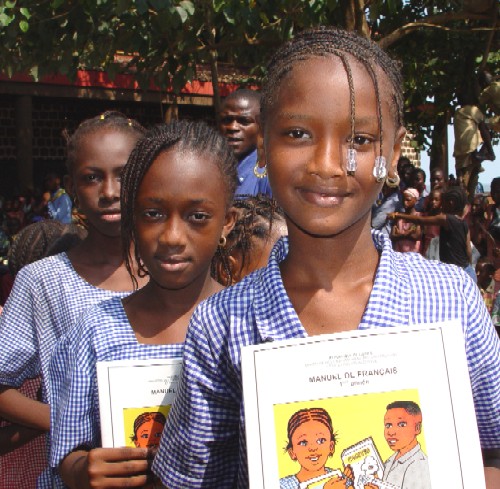
Girls education advocacy is a global movement dedicated to ensuring that all girls, regardless of their background, location, or socioeconomic status, have access to quality education. This multifaceted effort tackles systemic barriers, cultural norms, and economic disadvantages that prevent millions of girls from attending school or completing their studies. Advocates work on multiple fronts, from policy reform and funding initiatives to community engagement and direct support for students and educators. The core belief is that educating girls is not only a fundamental human right but also a powerful catalyst for poverty reduction, improved health outcomes, economic growth, and societal progress. Despite significant gains, substantial challenges remain, particularly in regions affected by conflict, poverty, and deeply entrenched gender inequality, making ongoing advocacy crucial for achieving universal access to education for girls.
🎵 Origins & History
The establishment of the United Nations in 1945 and the subsequent Universal Declaration of Human Rights in 1948, which explicitly states education as a right for all, provided a crucial international framework. The Beijing Declaration and Platform for Action, produced at the Fourth World Conference on Women in Beijing in 1995, identified education as a critical area of concern for gender equality, marking a significant moment for organized advocacy.
⚙️ How It Works
Girls education advocacy operates through a diverse range of strategies. Policy advocacy involves lobbying governments and international bodies to enact and enforce laws that guarantee girls' right to education, increase funding for girls' schooling, and address discriminatory practices. Programmatic interventions include establishing scholarships, building schools in underserved areas, providing menstrual hygiene management facilities, and developing gender-sensitive curricula. Community mobilization is vital, working with parents, community leaders, and religious figures to challenge cultural norms that devalue girls' education. Furthermore, advocacy often involves public awareness campaigns, leveraging media and digital platforms to highlight the importance of girls' education and mobilize public support. Organizations also engage in research and data collection to identify barriers and measure progress, informing their advocacy efforts and holding stakeholders accountable.
📊 Key Facts & Numbers
Globally, an estimated 129 million girls are out of school, with 32 million in primary school and 98 million in secondary school unable to attend. The Malala Fund reports that 90 million girls of primary and secondary school age will be unable to attend school even after the COVID-19 pandemic, a number that has increased by 12 million since 2018. In sub-Saharan Africa, 1 in 4 girls aged 15-19 are not in school, and only 23% of girls complete secondary education. The economic impact is substantial: studies by the World Bank suggest that if all girls completed secondary education, global GDP could increase by $12 trillion by 2050. Despite progress, only 68% of countries have achieved gender parity in primary education enrollment, a figure that drops to 53% for secondary education.
👥 Key People & Organizations
Key figures in girls education advocacy include Malala Yousafzai, a Nobel Peace Prize laureate who survived an assassination attempt by the Taliban for speaking out about girls' right to education, and her father Ziauddin Yousafzai, who co-founded the Malala Fund. Kofi Annan, former UN Secretary-General, was a vocal proponent of girls' education as a tool for development. Prominent organizations driving this advocacy include the Malala Fund, Plan International, Girls Not Brides, Campaign for Female Education (CAMFED), and the United Nations Children's Fund (UNICEF). These organizations work with local partners and governments worldwide to implement programs and push for policy changes.
🌍 Cultural Impact & Influence
The impact of girls education advocacy resonates deeply across societies. It has been instrumental in shifting global perceptions, moving girls' education from a niche concern to a central pillar of international development agendas. The success stories, often amplified by advocates, inspire further action and demonstrate the tangible benefits: reduced child marriage rates, lower maternal mortality, increased female participation in the workforce, and greater political engagement. The advocacy has also influenced media narratives, with more stories highlighting the challenges and triumphs of girls seeking education, thereby raising public consciousness and fostering empathy. Furthermore, it has spurred the development of new educational technologies and pedagogical approaches tailored to address gender-specific learning needs and barriers.
⚡ Current State & Latest Developments
The current landscape of girls education advocacy is marked by both progress and persistent challenges. While enrollment rates have improved in many regions, the quality of education and completion rates remain critical issues. The COVID-19 pandemic exacerbated existing inequalities, leading to school closures that disproportionately affected girls, increasing risks of child marriage, early pregnancy, and dropping out. Advocacy efforts in 2024-2025 are heavily focused on pandemic recovery, ensuring girls can return to school safely and catch up on lost learning. There's also a growing emphasis on STEM education for girls, addressing the persistent gender gap in these fields, and advocating for inclusive policies that support girls with disabilities and those in conflict-affected areas. Digital learning initiatives are also a key focus, aiming to bridge access gaps, though concerns about the digital divide persist.
🤔 Controversies & Debates
One of the most significant controversies revolves around the role of cultural and religious norms versus universal human rights. While advocates champion education as a fundamental right, some cultural or religious interpretations are cited as reasons for restricting girls' access to certain types of education or schooling altogether. Debates also arise regarding the most effective intervention strategies: some argue for community-led approaches that respect local traditions, while others advocate for more direct, rights-based interventions that challenge those traditions. Funding is another contentious area, with debates over the allocation of resources between primary and secondary education, and the balance between international aid and national government responsibility. The effectiveness and sustainability of various NGO-led programs also face scrutiny, with discussions on accountability and impact measurement.
🔮 Future Outlook & Predictions
The future of girls education advocacy hinges on sustained political will and innovative approaches. Experts predict a continued push for universal secondary education for girls, with a focus on ensuring learning outcomes match enrollment figures. The integration of technology in education will likely expand, requiring advocacy for equitable access to digital tools and training for both students and teachers. Addressing the impact of climate change on education, particularly for girls in vulnerable regions, will become increasingly critical. Furthermore, advocacy will likely broaden to encompass leadership development for girls and young women, empowering them to become agents of change in their communities and beyond. The goal is to move beyond mere access to education to ensuring girls are equipped with the skills and confidence to shape their own futures and contribute to global development.
💡 Practical Applications
Girls education advocacy has direct practical applications in various sectors. In public health, educating girls is linked to lower rates of infant and maternal mortality, improved family planning, and better disease prevention. Economically, it boosts national productivity and reduces poverty by increasing women's participation in the formal workforce and entrepreneurship. In governance, educated women are more likely to participate in political processes, leading to more inclusive and representative decision-making. Furthermore, advocacy efforts often lead to the development of specific educational tools and programs, such as gender-sensitive teaching materials, vocational training for girls, and early childhood development programs that lay a foundation for lifelong learning. These applications demonstrate that investing in girls' education yields a high return across multiple societal domains.
Key Facts
- Category
- movements
- Type
- topic