
Contents
Overview
Freddie King, born Fred King, stands as a titan of electric blues guitar, celebrated as one of the 'Three Kings of the Blues Guitar' alongside Albert King and B.B. King. Though not related to the other Kings, his impact on the genre is undeniable. King's signature style fused elements of blues, R&B, and rock and roll. His instrumental hits, such as the iconic 'Hide Away,' became staples of blues and rock guitarists, influencing generations. Despite a career tragically cut short, King's legacy endures through his groundbreaking recordings and his profound influence on artists across the musical spectrum, earning him a posthumous induction into the Rock and Roll Hall of Fame.
🎵 Origins & History
Freddie King’s musical journey began in the heart of Texas. By his teenage years, King had relocated to Chicago, a crucible of blues music, where he honed his skills and formed his initial band, the Every Hour Blues Boys, alongside bassist Jimmie Lee Robinson and drummer Frank "Sonny" Scott. Despite repeated rejections from the influential Chess Records, King eventually signed with Federal Records. It was here he recorded his first major hits, including the soulful vocal track 'Have You Ever Loved a Woman' and the instrumental showstopper 'Hide Away,' which signaled the arrival of a formidable new talent in the blues scene.
⚙️ How It Works
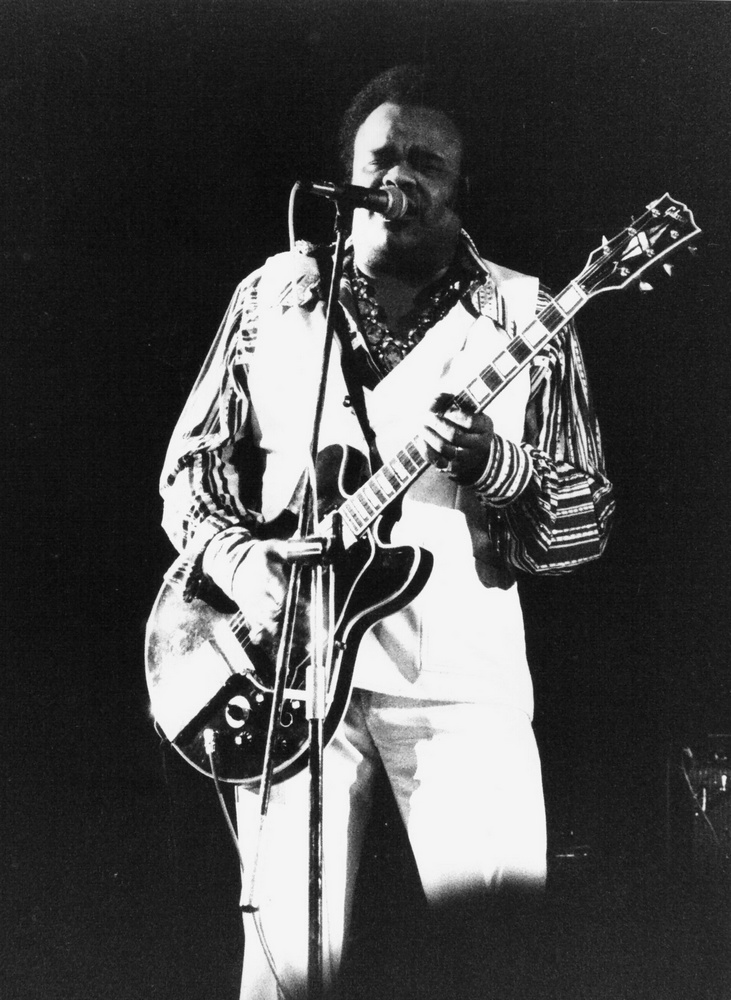
King's guitar technique was a masterclass in controlled aggression and melodic invention. He famously favored a Gibson semi-hollow body electric guitar, often a Gibson ES-335, which he played with a thumbpick, a technique that contributed to his unique tone and attack. This method allowed him to produce a powerful, percussive sound, often described as a 'lead-guitar' style that blended blues phrasing with a driving, almost rock-and-roll energy. His solos were not mere embellishments but integral parts of the song, characterized by sharp, staccato bursts, stinging bends, and a remarkable economy of notes. This approach, combined with his deep, resonant baritone voice, created a sound that was both raw and sophisticated, setting him apart from his contemporaries and influencing countless guitarists who followed.
📊 Key Facts & Numbers
Freddie King’s recording career, though tragically brief, yielded significant commercial and critical success. His instrumental 'Hide Away' became a foundational track for blues-rock guitarists. His guitar licks have been directly or indirectly covered or emulated by hundreds of musicians. His album 'Freddie King Is a Blues Guitar Master' is often cited as a landmark recording, showcasing his mature artistry.
👥 Key People & Organizations
Beyond the 'Three Kings' — Albert King, B.B. King, and Freddie King himself — a constellation of musicians and industry figures shaped and were shaped by his work. His early Chicago bandmates, Jimmie Lee Robinson and Frank "Sonny" Scott, were crucial in his formative years. At Federal Records, producer Sonny Thompson played a key role in capturing King's raw talent. Later, his association with Shelter Records brought him into contact with artists like Leon Russell, who contributed to his evolving sound. King's influence extended to guitarists like Eric Clapton, Jeff Beck, Stevie Ray Vaughan, and Jimi Hendrix, all of whom acknowledged his profound impact on their playing. His posthumous induction into the Rock and Roll Hall of Fame in 2012, championed by artists like Neil Young, cemented his legendary status.
🌍 Cultural Impact & Influence
Freddie King’s impact reverberates through the very fabric of modern electric blues and rock music. His instrumental 'Hide Away' became an essential piece in the repertoire of aspiring guitarists, a rite of passage that tested their technical prowess and stylistic understanding. Artists like Jimi Hendrix famously incorporated King's aggressive phrasing into their own groundbreaking work, while Stevie Ray Vaughan paid direct homage with his cover of 'Pride and Joy.' Beyond guitarists, his soulful vocal delivery influenced singers across genres. The blues community continues to celebrate his legacy through tribute concerts, reissues of his work by labels like King Records, and ongoing academic study of his unique contribution to the blues canon. His sound is a direct ancestor to the blues-rock explosion of the late 1960s and 1970s.
⚡ Current State & Latest Developments
Though Freddie King passed away, his music remains vibrantly alive in 2024. His catalog is consistently reissued and made available on streaming platforms like Spotify and Apple Music, introducing his work to new generations. Live performances of his songs by contemporary blues and rock artists are common, ensuring his compositions remain part of the active musical conversation. Furthermore, his influence continues to be recognized in music journalism and historical retrospectives. The official website, freddiekingsite.com, serves as a central hub for information and legacy preservation, indicating an ongoing engagement with his artistry. Discussions about his place in blues history, particularly concerning his unique position among the 'Three Kings,' continue in music forums and academic circles.
🤔 Controversies & Debates
A primary debate surrounding Freddie King centers on his classification and legacy relative to Albert King and B.B. King. While all three are undeniably blues giants, Freddie’s more aggressive, rock-influenced guitar style and instrumental prowess often place him as a bridge between traditional blues and the emerging blues-rock sound of the late 1960s. Some critics argue that his instrumental hits, while brilliant, sometimes overshadowed his vocal performances, leading to a perception of him being primarily an instrumentalist. Another point of discussion is the relative commercial success and mainstream recognition he achieved during his lifetime compared to B.B. King, with some attributing this to record label issues and King's own touring choices. The extent to which his instrumental work, like 'Hide Away,' is considered pure blues versus blues-rock is also a recurring point of contention among purists and historians.
🔮 Future Outlook & Predictions
The future of Freddie King's legacy appears secure, anchored by his foundational contributions to electric blues and rock guitar. As long as artists seek to master the blues-rock idiom, King’s instrumental catalog, particularly 'Hide Away,' will remain essential learning material, ensuring his techniques are passed down. Ongoing reissues and potential archival releases could further illuminate his discography, offering deeper insights into his creative process. Furthermore, the continued exploration of his influence on subsequent generations of guitarists, from Jimi Hendrix to Joe Bonamassa, will likely keep his name prominent in discussions of guitar history. The possibility of further academic research into his specific techniques and impact on music production also looms, potentially uncovering new dimensions to his already celebrated career.
💡 Practical Applications
Freddie King's music, especially his instrumental compositions, serves as a practical blueprint for blues and rock guitarists. 'Hide Away,' for instance, is not just a song but a technical and stylistic exercise, teaching aspiring musicians about phrasing, tone, and dynamic control. His approach to the guitar, particularly his use of the thumbpick and his percussive attack, is a practical lesson in developing a unique sonic identity. Beyond guitarists, his powerful vocal delivery offers a masterclass in blues singing, demonstrating how to convey emotion and grit. His recordings are frequently used in music education programs and guitar clinics as examples of foundational blues techniques and influential performance styles. The very act of learning and performing a Freddie King song is a practical application of his enduring musical knowledge.
Key Facts
- Category
- culture
- Type
- topic