
Contents
Overview
The lineage of formal wear is deeply entwined with the evolution of Western aristocratic and military dress, dating back to the 17th century. Initially, elaborate court dress, characterized by silk breeches, embroidered coats, and powdered wigs, signified status and power among European nobility. By the mid-19th century, the frock coat emerged as the standard for formal daywear, a precursor to the modern morning coat. The late 19th century saw the codification of evening formal wear, with the introduction of the tuxedo (or dinner jacket) for less rigidly formal evening events and the tailcoat for the most exclusive occasions, often referred to as "white tie." The early 20th century solidified these distinctions, with strict protocols governing their use, influenced by figures like Beau Brummell and the sartorial standards set by the British monarchy and French court. The advent of the Roaring Twenties saw a brief relaxation, but the core tenets of formal wear persisted through significant historical events like World War II and into the mid-20th century.
⚙️ How It Works
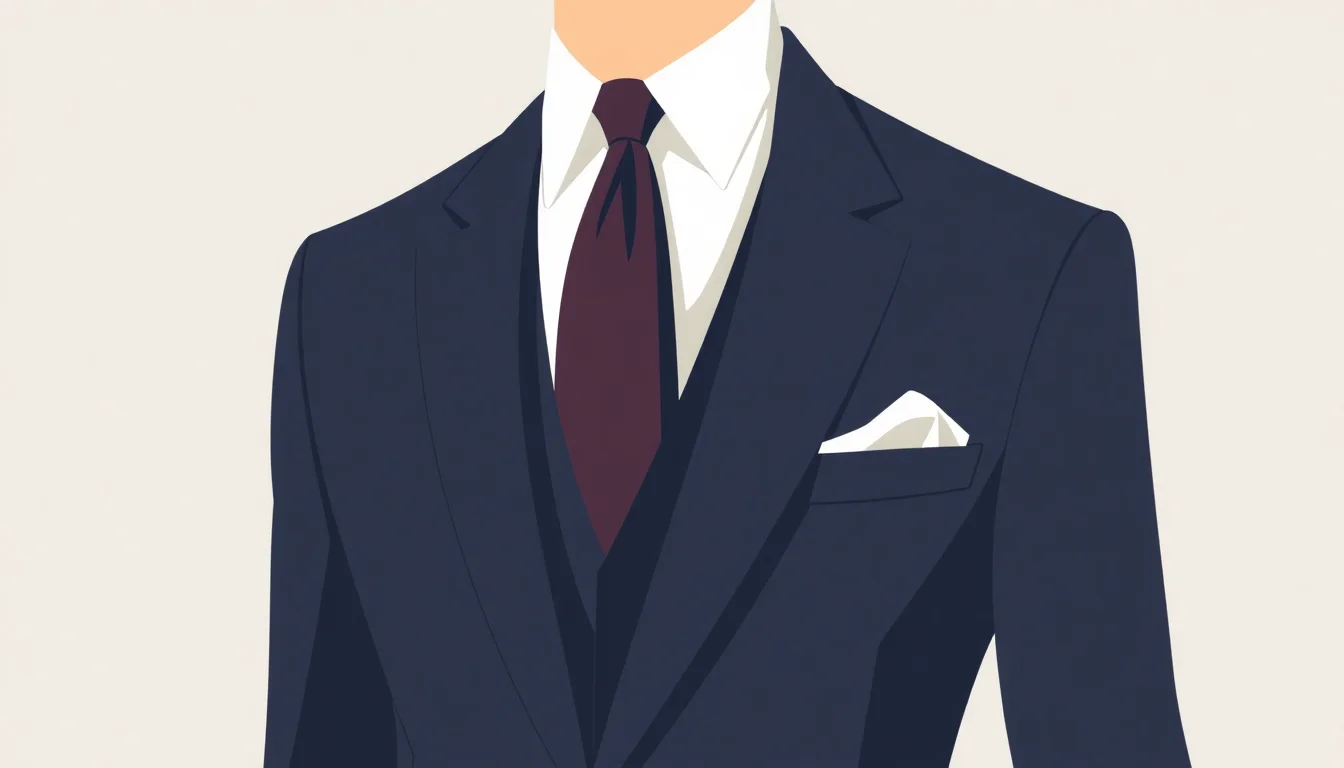
Formal wear operates under a strict set of rules, primarily differentiating between day and evening occasions, and further by the level of formality. "White tie" is the most formal evening dress code, requiring a black tailcoat with satin or silk lapels, a white piqué waistcoat, a white bow tie, and black trousers with a satin stripe. "Black tie" is slightly less formal but still highly formal for evening events, mandating a tuxedo jacket (black or midnight blue), a black bow tie, a cummerbund or waistcoat, and black trousers. For daytime formal events, the "morning dress" (or "morning suit") is prescribed, featuring a grey or black morning coat, striped or checked trousers, a waistcoat, and a necktie. Specific accessories like pocket squares, cufflinks, and appropriate footwear (patent leather shoes for black/white tie, oxfords for morning dress) are integral to completing the ensemble. The adherence to these specific garments and their precise styling is what defines true formal wear, distinguishing it from merely "dressed up" attire.
📊 Key Facts & Numbers
The global market for formal wear, encompassing suits, tuxedos, and formal gowns, was valued at approximately $50 billion USD in 2023, with projections indicating a steady growth of 3-5% annually. "Black tie" events are estimated to occur over 1 million times per year globally, with wedding ceremonies accounting for nearly 60% of formal wear rentals. The luxury segment of formal wear, particularly bespoke suits and designer gowns, commands an average price point upwards of $5,000 USD. In the United States alone, over 70% of men aged 25-55 own at least one tuxedo or formal suit for special occasions. The demand for formal wear in emerging markets like India and China has seen a surge of over 15% in the last five years, driven by increasing disposable incomes and Western cultural influence.
👥 Key People & Organizations
Key figures in the history and perpetuation of formal wear include designers like Yves Saint Laurent, who famously introduced the "Le Smoking" tuxedo for women in 1966, challenging traditional gender norms. Savile Row tailors, such as Henry Poole & Co., have been instrumental in maintaining the standards of British tailoring for centuries, crafting bespoke suits for royalty and dignitaries. Organizations like the White House social office and various royal households (e.g., Buckingham Palace) continue to issue strict dress code guidelines for state dinners and official functions, ensuring the continuation of these sartorial traditions. Fashion houses like Giorgio Armani and Ralph Lauren consistently feature formal wear in their collections, adapting classic silhouettes for contemporary audiences.
🌍 Cultural Impact & Influence
Formal wear has profoundly shaped Western cultural perceptions of occasion, status, and respect. It serves as a visual shorthand for important events, signaling a departure from the mundane into the realm of ceremony and significance. The adoption of formal wear by various professions, from diplomats in their uniforms to academics in their robes, imbues these roles with a sense of gravitas and tradition. Its influence is evident in cinema, where tuxedos and ballgowns are staples of romantic comedies and dramatic epics, often symbolizing romance, power, or a pivotal life moment. The cultural impact is also seen in the rise of "black tie optional" and "creative black tie" dress codes, reflecting a societal willingness to adapt and interpret these traditions, albeit with varying degrees of success and controversy.
⚡ Current State & Latest Developments
The current landscape of formal wear is one of adaptation and selective adherence. While traditional "white tie" events remain rare, primarily confined to state banquets and certain royal ceremonies, "black tie" continues to be a prevalent dress code for weddings, galas, and upscale corporate events. The "creative black tie" variation, allowing for more personal expression through colored bow ties, unique jacket fabrics, or even stylish sneakers, has gained traction. The COVID-19 pandemic temporarily disrupted the formal wear industry, leading to a surge in casualization, but a notable resurgence in demand for formal attire has been observed since 2022, particularly for weddings and post-pandemic events. Designers are increasingly experimenting with sustainable materials and inclusive sizing within formal wear collections, reflecting broader industry trends.
🤔 Controversies & Debates
The primary controversy surrounding formal wear centers on its perceived elitism and exclusivity, often seen as a relic of a bygone era that reinforces social hierarchies. Critics argue that the stringent rules can be intimidating and exclusionary, particularly for those unfamiliar with sartorial etiquette or lacking the financial means to acquire appropriate attire. The debate over "creative black tie" highlights a tension between preserving tradition and embracing modernity; some view it as a welcome evolution, while others see it as a dilution of a time-honored code. Furthermore, the gendered nature of traditional formal wear has been a point of contention, with the increasing acceptance of women in tuxedos and men in more unconventional attire challenging long-standing norms, as pioneered by figures like Marlene Dietrich.
🔮 Future Outlook & Predictions
The future of formal wear likely involves a continued negotiation between tradition and contemporary sensibilities. We can anticipate a greater emphasis on "smart casual" and "cocktail attire" for many events, but the most significant occasions will likely retain formal dress codes. Expect further innovation in fabric technology, with lighter, more breathable, and sustainable materials becoming standard. The "gender-fluid" formal wear movement will likely gain more traction, with designers offering more versatile and adaptable pieces. While "white tie" may remain a niche, "black tie" and its variations will continue to evolve, potentially incorporating more personalized elements and reflecting a broader spectrum of cultural influences, moving beyond its purely Western origins.
💡 Practical Applications
Formal wear finds its most direct application in specific event categories: weddings, state dinners, diplomatic receptions, formal balls, opera premieres, and high-stakes award ceremonies like the Academy Awards. It is also crucial in certain professional contexts, such as judicial robes in high courts or academic regalia for university graduations and ceremonies. For individuals, mastering formal wear is essential for navigating social events where such dress codes are stipulated, ensuring they meet the expectations of hosts and fellow guests. Rental services, like Rent the Runway and local tuxedo shops, provide accessible options for those who do not regularly require formal attire, democratizing access to these sartorial standards.
Key Facts
- Category
- aesthetics
- Type
- topic