
Contents
Overview
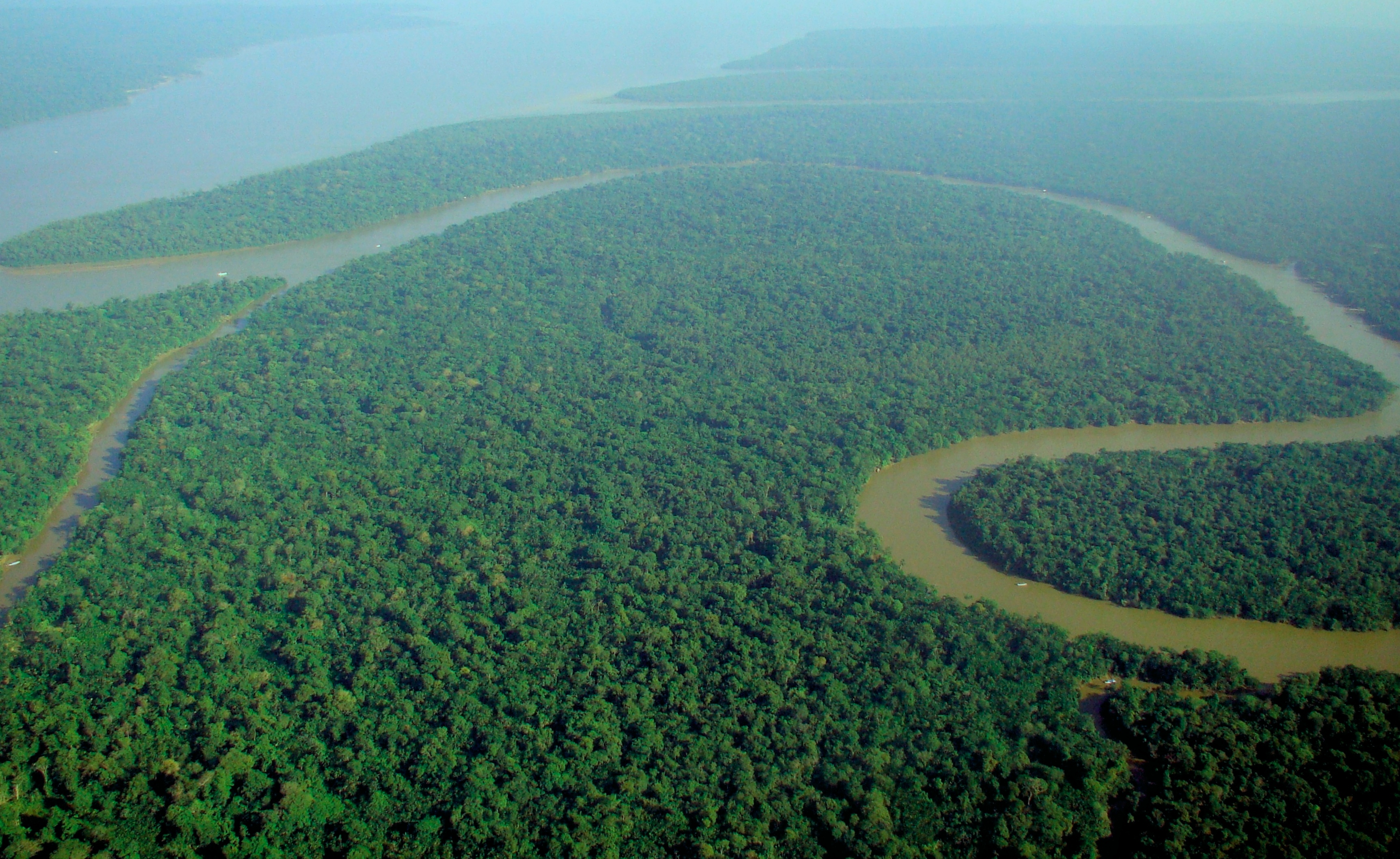
Forests are dense ecosystems characterized by a community of trees. According to the United Nations' Food and Agriculture Organization (FAO), forests are defined as land with trees higher than 5 meters and a canopy cover of more than 10 percent. The largest share of forest land is located in tropical latitudes. Forests are the largest terrestrial ecosystems on the planet, providing habitat for a vast array of plant and animal species. The Amazon Rainforest is often referred to as the 'lungs of the Earth' due to its immense oxygen-producing capabilities. The United Nations has recognized the importance of forests, establishing programs such as the UN Environment Programme to promote sustainable forest management. With the help of organizations like the World Wildlife Fund and The Nature Conservancy, efforts are being made to protect and conserve forests for future generations.
🌳 Origins & History
The evolution of forests has been shaped by factors such as climate change, geological events, and the interactions between trees and other organisms. As noted by Charles Darwin, the diversity of life on Earth is closely tied to the existence of forests. The history of forest management dates back to ancient civilizations, with evidence of sustainable forestry practices found in cultures such as the Indigenous Peoples of the Americas. Today, forests are recognized as a critical component of the global ecosystem, with organizations like the Forest Stewardship Council promoting responsible forestry practices.
🌲 How Forests Work
Forests are complex ecosystems that consist of multiple layers, including the canopy, understory, and forest floor. The structure and function of forests are influenced by factors such as climate, soil type, and the types of tree species present. The Amazon Rainforest is often referred to as the 'lungs of the Earth' due to its immense oxygen-producing capabilities. Forests also provide habitat for a vast array of plant and animal species, with many forests supporting unique and endemic species found nowhere else on the planet.
📊 Key Facts & Numbers
The largest share of forest land is located in tropical latitudes. Forests provide a range of ecosystem services, including carbon sequestration, soil erosion prevention, and water filtration. The United Nations' Food and Agriculture Organization (FAO) defines forests as land with trees higher than 5 meters and a canopy cover of more than 10 percent. The Forest Stewardship Council promotes responsible forestry practices, and the World Wildlife Fund works to promote sustainable forestry practices and protect forests from deforestation and degradation.
👥 Key People & Organizations
Key people and organizations involved in forest conservation and management include Greenpeace, the World Wildlife Fund, and the UN Environment Programme. These organizations work to promote sustainable forestry practices, protect forests from deforestation and degradation, and support the rights of indigenous communities. Individuals such as Greta Thunberg and Jane Goodall have also played a significant role in raising awareness about the importance of forests and the need for urgent action to protect them.
🌍 Cultural Impact & Influence
Forests have had a profound impact on human culture and society, with many indigenous communities relying on forests for their livelihoods and spiritual practices. Forests have also inspired countless works of art, literature, and music, with the likes of John Muir and Henry David Thoreau drawing inspiration from the natural world. The cultural significance of forests is evident in the many festivals and celebrations that take place around the world, such as the Cherry Blossom Festival in Japan.
⚡ Current State & Latest Developments
The current state of the world's forests is a major concern, with deforestation and forest degradation continuing to occur. Climate change is also having a significant impact on forests, with rising temperatures and changing precipitation patterns altering the distribution and abundance of tree species. Efforts are being made to address these challenges, including the development of sustainable forestry practices and the establishment of protected areas.
🤔 Controversies & Debates
There are many controversies and debates surrounding forest conservation and management, including the role of logging and the impact of forest certification schemes. Some argue that logging can be a sustainable and responsible practice, while others argue that it is a major driver of deforestation and habitat destruction. The use of forest certification schemes, such as the Forest Stewardship Council, is also a topic of debate, with some arguing that they are effective in promoting sustainable forestry practices, while others argue that they are inadequate and misleading.
🔮 Future Outlook & Predictions
The future of the world's forests is uncertain, with many predicting that the rate of deforestation and forest degradation will continue to increase unless urgent action is taken. However, there are also many reasons to be optimistic, with the development of new technologies and sustainable forestry practices offering hope for the long-term conservation of forests. The role of forests in mitigating climate change is also becoming increasingly recognized, with many countries committing to restore and expand their forest cover as part of their efforts to reduce greenhouse gas emissions.
💡 Practical Applications
Forests have many practical applications, including the production of timber, pulp, and paper products. Forests also provide a range of ecosystem services, including carbon sequestration, soil erosion prevention, and water filtration. The economic value of forests is significant, and forests support human livelihoods, with many communities relying on forests for their income and well-being.
Key Facts
- Category
- nature
- Type
- topic