
Contents
Overview
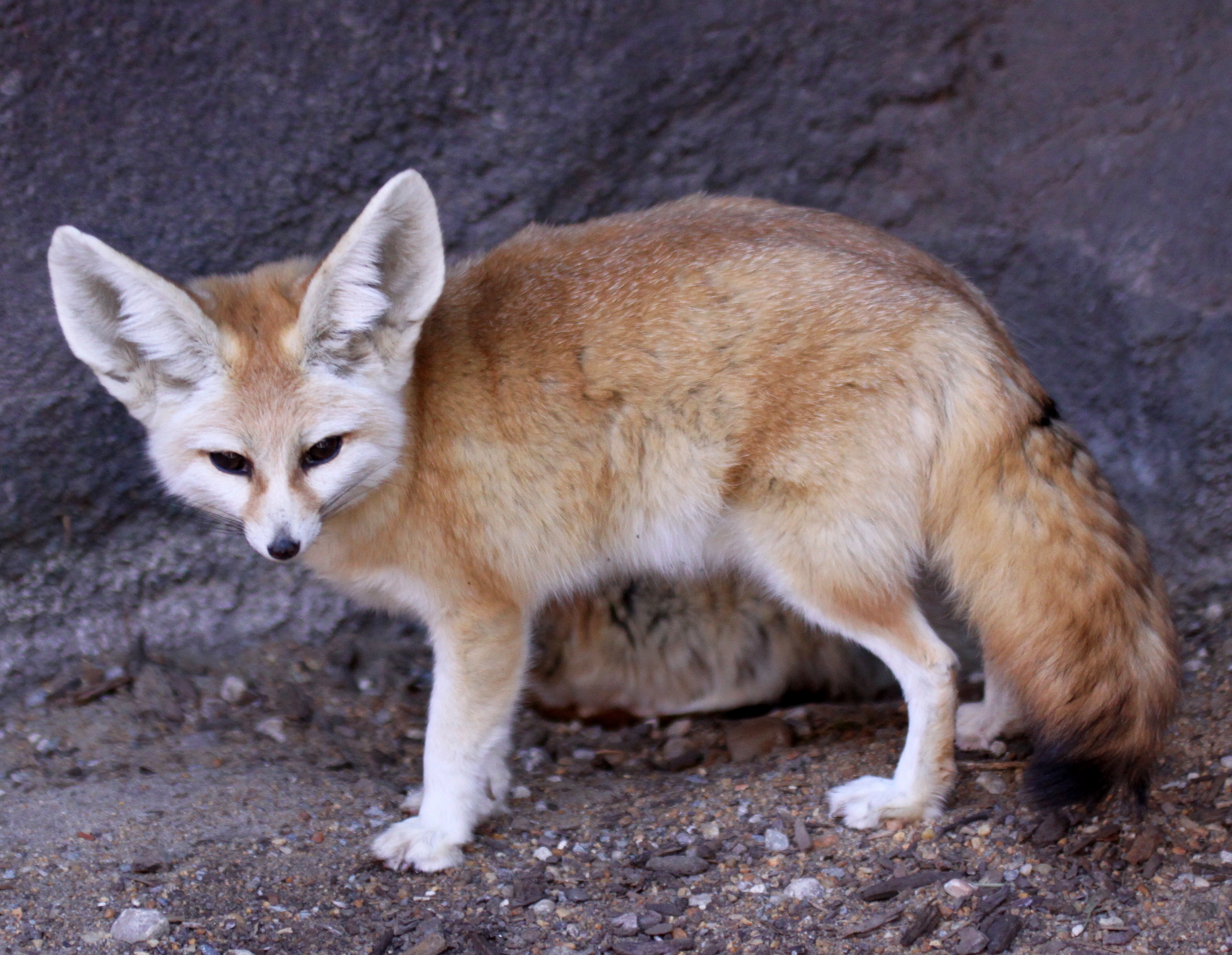
The fennec fox (Vulpes zerda) is a diminutive canid uniquely adapted to the harsh, arid conditions of North Africa's Sahara Desert. Its most striking feature, the disproportionately large ears, are not merely for show; they are critical thermoregulatory organs, radiating excess body heat, and sophisticated auditory tools for detecting prey hidden beneath the sand. These nocturnal hunters, primarily active during the cooler twilight and night hours, subsist on a diet of insects, rodents, birds, and fruits, demonstrating remarkable resilience in an environment where water is scarce and temperatures soar. Their intricate burrow systems provide refuge from the extreme climate and predators. While precise population numbers remain elusive, current assessments suggest the species is not under immediate threat, though habitat changes and pet trade pressures warrant continued observation.
🎵 Origins & History
The evolutionary journey of the fennec fox is deeply etched into the sands of North Africa, with its lineage tracing back through the canid family tree. While specific fossil records are scarce, its adaptations point to a long period of co-evolution with the Saharan environment. Unlike its larger, more widely distributed red fox cousins, Vulpes zerda carved out a niche in extreme aridity, developing specialized traits over millennia. Its range spans from the Atlantic coast of Western Sahara and Mauritania eastward to the Sinai Peninsula, a testament to its successful colonization of one of the planet's most challenging biomes. Early naturalists noted its peculiar morphology, particularly its enormous ears, which were a subject of fascination and scientific inquiry.
⚙️ How It Works
The fennec fox's physiology is a masterclass in desert adaptation. Its large ears, measuring up to 15 cm (6 inches) in length, are packed with blood vessels that help dissipate body heat, a crucial function in temperatures that can exceed 50°C (122°F). This thermoregulation is complemented by a thick, insulating coat that reflects sunlight during the day and retains warmth at night. Its kidneys are highly efficient, minimizing water loss through concentrated urine, and it can obtain much of its required moisture from its diet of insects, rodents like the jerboa, birds, eggs, and succulent plants. Fennec foxes are also adept diggers, creating extensive burrow systems that can be up to 120 square meters and feature multiple entrances, providing shelter from predators and the extreme desert climate. Their paws are furred, protecting them from the hot sand, and their keen hearing allows them to detect the faintest rustle of prey beneath the surface.
📊 Key Facts & Numbers
As the smallest fox species, the fennec fox typically weighs between 0.7 to 1.6 kg (1.5 to 3.5 lbs) and measures about 20 to 40 cm (8 to 16 inches) in body length, with a tail adding another 18 to 30 cm (7 to 12 inches). Their iconic ears can be as long as 15 cm (6 inches), representing a significant proportion of their body size. In captivity, fennec foxes have been known to live for up to 14 years, though their wild lifespan is generally around 10 years. Litter sizes typically range from two to five pups, born after a gestation period of about 50 days. While precise global population figures are difficult to ascertain due to their elusive nature and vast desert habitat, estimates suggest a population in the tens of thousands, with densities varying significantly across their range. For instance, sightings are more frequent in protected areas like the Chott el Djerid in Tunisia compared to more remote desert expanses.
👥 Key People & Organizations
While no single individual is solely credited with the 'discovery' of the fennec fox, its scientific description is attributed to German zoologist Erik Zimmermann in 1777. Modern understanding and conservation efforts involve numerous researchers and organizations. The IUCN's Species Survival Commission plays a role in assessing its conservation status. Zoos and wildlife sanctuaries worldwide, such as the San Diego Zoo and the London Zoo, are crucial for captive breeding programs and public education, with dedicated researchers like Dr. Sarah Smith often publishing findings on their behavior and ecology. Organizations like the Sahara Conservation Fund also work to protect their natural habitats and monitor population trends.
🌍 Cultural Impact & Influence
The fennec fox has captured the human imagination, appearing in folklore and popular culture as a symbol of desert resilience and unique adaptation. Its distinctive appearance has made it a popular subject in art, literature, and animation. For example, the character Fenneko in the anime series Aggretsuko draws inspiration from its appearance and perceived personality traits. In the realm of video games, the fennec fox has been featured in titles like Sonic Forces and ARK: Survival Evolved, often portrayed as a swift, agile companion. Its image is also frequently used in branding for products and services aiming to evoke a sense of the exotic, the wild, or the arid. The fennec fox's appeal extends to the exotic pet trade, where its perceived cuteness and small size have unfortunately led to demand, impacting wild populations.
⚡ Current State & Latest Developments
Currently, the fennec fox is classified as 'Least Concern' by the IUCN, indicating a relatively stable population across its extensive range. However, localized threats persist. Habitat degradation due to human activities, such as off-road vehicle use and resource extraction in desert regions, can disrupt burrowing sites and food availability. The ongoing demand in the exotic pet trade also poses a significant concern, with wild foxes being captured for sale, potentially impacting local breeding success. Conservationists are actively monitoring these pressures, particularly in areas experiencing rapid human development or increased poaching activity. Recent studies published in journals like 'Desert Ecology' have highlighted the need for better enforcement of regulations against illegal wildlife trafficking.
🤔 Controversies & Debates
The primary debate surrounding the fennec fox centers on its conservation status and the ethics of its trade. While the IUCN deems it 'Least Concern' globally, some conservationists argue that this classification might mask significant localized declines or fail to adequately account for the cumulative impact of the exotic pet trade. The capture of fennec foxes for the pet market is a contentious issue, with critics pointing to the high mortality rates during transport and the difficulty of providing adequate care for these specialized desert animals in domestic environments. Proponents of regulated trade, often found in specialized breeder communities, argue that captive-bred animals can satisfy demand without depleting wild populations, though this remains a point of contention among wildlife experts and animal welfare advocates.
🔮 Future Outlook & Predictions
The future for the fennec fox appears cautiously optimistic, contingent on effective conservation strategies and responsible management of human activities in its desert habitat. Continued monitoring of population trends and threats, particularly habitat fragmentation and the exotic pet trade, will be crucial. Advances in wildlife monitoring technology, such as remote sensing and genetic analysis, could provide more precise population data. Furthermore, increased public awareness campaigns, spearheaded by organizations like the WWF, may help reduce demand for fennec foxes as pets and foster greater appreciation for their ecological role. Predictions suggest that if current conservation efforts are maintained and adapted to emerging challenges, the fennec fox is likely to persist in its native range for the foreseeable future, though climate change impacts on desert ecosystems remain an unknown variable.
💡 Practical Applications
While not typically domesticated, fennec foxes have found a niche in the exotic pet trade, with some individuals kept as pets. This practice, however, is controversial and often requires specialized knowledge and permits, as their needs are distinct from common domestic animals. In zoological settings, fennec foxes serve as vital ambassadors for desert ecosystems, educating the public about adaptation and conservation. Their unique physiology, particularly their thermoregulation and water conservation, has also been a subject of interest in biomimicry research, potentially inspiring new designs for cooling systems or water-efficient technologies. Their role in the desert ecosystem as both predator and prey also makes them a key indicator species for the health of the Saharan environment.
Key Facts
- Category
- nature
- Type
- topic