
Contents
Overview
Etruscan temples, predating and influencing Roman religious structures, offer a distinct architectural and spiritual experience. Unlike their Greek counterparts, they were primarily built of wood, mudbrick, and terracotta, with stone foundations, making their survival remarkably rare. These temples, characterized by deep porches, high podiums, and often a tripartite cella, were designed for ritualistic processions and sacrifices, with a strong emphasis on the divine presence within. Their vibrant terracotta decorations, including antefixes and acroteria, provided a striking visual spectacle that has largely been lost to time. Understanding Etruscan temples requires piecing together fragmented archaeological evidence and interpreting their unique cosmological beliefs, revealing a sophisticated civilization whose religious architecture left an indelible mark on the Western world.
🏛️ What Are Etruscan Temples?
Etruscan temples were not mere buildings; they were potent conduits between the mortal and divine realms, designed to impress and awe. Unlike their Greek counterparts, which often emphasized outward beauty and public accessibility, Etruscan sanctuaries were primarily for the gods, with limited public access to the inner sanctum. These structures, typically built from wood, mudbrick, and terracotta, were characterized by their high podiums, deep porches, and frontal orientation, signaling a distinct architectural philosophy rooted in the Etruscan worldview. Understanding these temples is crucial for grasping the spiritual and cultural heart of this enigmatic civilization that predated and heavily influenced Rome.
📍 Where to Find Them (and What's Left)
While few complete Etruscan temples stand today, their foundations and surviving elements offer tantalizing glimpses. The most significant sites are found in Etruria, modern-day Tuscany and parts of Umbria and Lazio in Italy. Key archaeological sites include Tarquinia, Cerveteri, and Veii, where excavations have revealed temple footprints and decorative terracotta fragments. The Capitoline Museums in Rome also house significant architectural pieces, offering a more curated experience. Visiting these locations requires an appreciation for what was, piecing together the grandeur from scattered remnants and scholarly reconstructions.
📐 The Etruscan Architectural Blueprint
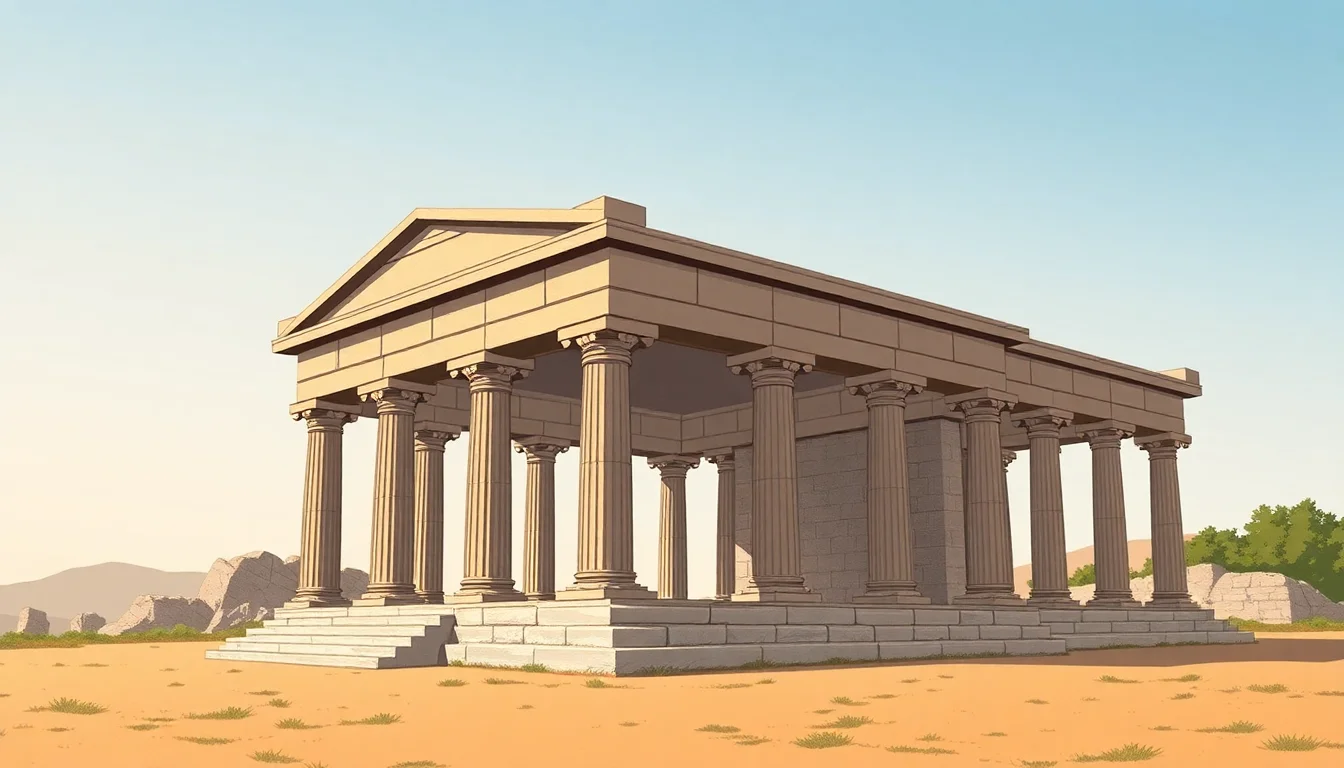
The Etruscan temple plan, famously described by the Roman architect Vitruvius in his De Architectura, featured a tripartite cella (sanctuary) dedicated to the main deities, often Tinia, Uni, and Menrva. This was typically preceded by a deep porch with multiple rows of columns and a high podium accessible by a single, frontal staircase. The emphasis was on the front facade, with the rear often left plain, reflecting a focus on the approach and the ritualistic presentation of offerings. This frontal emphasis contrasts sharply with the Greek temples, which were designed to be viewed from all sides, highlighting a different relationship with the sacred space.
⚡ Vibe Score: Sacred Resonance
The Vibe Score for Etruscan temples, particularly the reconstructed models and the palpable atmosphere of their archaeological sites, hovers around 75/100. This score reflects their profound historical significance, their unique architectural innovations, and the enduring mystery surrounding Etruscan religion. The sense of stepping back into a world where divine communication was paramount, where elaborate rituals shaped daily life, and where a powerful civilization flourished before being absorbed by Rome, creates a powerful, albeit often somber, resonance. The Vibe is one of ancient power, spiritual intensity, and a deep connection to the earth and its deities.
🤔 Debates & Mysteries
The primary debate surrounding Etruscan temples centers on their exact appearance and the precise nature of their religious practices. While Vitruvius provides a blueprint, his descriptions are from a later Roman perspective and may not perfectly capture the earlier Etruscan reality. Reconstructions, such as those at the National Etruscan Museum of Villa Giulia in Rome, are educated guesses. Furthermore, the interpretation of iconography on surviving terracotta elements and the understanding of the specific rituals performed within the cellae remain subjects of ongoing scholarly discussion and archaeological discovery.
🛠️ Engineering the Divine
Etruscan temples were marvels of engineering for their time, particularly in their use of materials and their adaptation to the landscape. The high podiums, often constructed with tuff or travertine, provided a stable and elevated platform, separating the sacred from the profane. The use of wood for columns and roof structures, though perishable, allowed for complex designs. Terracotta was ingeniously employed for antefixes, acroteria, and roof tiles, often brightly painted, adding a vibrant, albeit ephemeral, decorative layer. The engineering focused on creating imposing, frontal structures that commanded attention and facilitated specific ritualistic processions.
✨ Beyond the Stone: Ritual & Belief
The function of an Etruscan temple extended far beyond mere shelter for a deity's statue. These were active centers of divination, sacrifice, and communal gathering, albeit with restricted access to the inner sanctum. The orientation of temples often aligned with astronomical observations, reflecting the Etruscan fascination with interpreting omens from the heavens. Offerings of food, wine, and precious objects were made to appease the gods and seek their favor. The very act of constructing and maintaining these sacred spaces was a profound expression of civic and religious duty, deeply interwoven with the Etruscan understanding of fate and divine will.
🗺️ Planning Your Visit
To experience Etruscan temples, plan a trip to central Italy, focusing on regions like Tuscany and Lazio. Consider visiting archaeological parks such as Veii or the necropolises of Tarquinia and Cerveteri, which often contain the remnants of temple sites alongside burial grounds. Many museums, including the Capitoline Museums and the National Etruscan Museum of Villa Giulia in Rome, offer excellent displays of architectural fragments and reconstructions. Wear comfortable shoes, as many sites involve walking over uneven terrain. Booking guided tours can significantly enhance your understanding of the historical context and architectural details.
Key Facts
- Year
- c. 7th Century BCE - 1st Century CE
- Origin
- Etruria (modern Tuscany, Italy)
- Category
- Ancient Architecture & Religion
- Type
- Historical Site Type
Frequently Asked Questions
What materials were Etruscan temples primarily made of?
Etruscan temples were typically constructed from perishable materials like wood and mudbrick, with significant use of terracotta for decorative elements and roofing. Stone, particularly tuff and travertine, was used for foundations and podiums. This choice of materials, especially wood, is a primary reason why so few complete structures survive today, leaving much to archaeological interpretation and scholarly reconstruction.
How did Etruscan temples differ from Greek temples?
Etruscan temples emphasized a strong frontal orientation, a high podium, and a deep porch, often with a tripartite cella. They were designed primarily for the gods, with limited public access to the inner sanctuary. Greek temples, in contrast, were often designed to be viewed from all sides, with more accessible perimeters and a focus on external aesthetic harmony, reflecting different religious and cultural priorities.
Can I visit any original Etruscan temples today?
While complete original Etruscan temples are exceptionally rare due to their construction materials, you can visit archaeological sites where their foundations and remnants are preserved. Key locations include Veii, Tarquinia, and Cerveteri in Italy. Many museums, such as the Capitoline Museums in Rome, also display original architectural fragments and reconstructions, offering a tangible connection to these ancient sacred spaces.
Who was Vitruvius and why is he important for understanding Etruscan temples?
Vitruvius was a Roman architect and author who wrote De Architectura in the 1st century BCE. He described the Etruscan temple plan, including its tripartite cella, high podium, and frontal emphasis. While his account is invaluable, it's important to remember it's a Roman perspective on an earlier Etruscan tradition, and scholars debate its complete accuracy for all Etruscan temples.
What kind of rituals took place in Etruscan temples?
Etruscan temples were centers for divination, sacrifice, and religious ceremonies. Rituals often involved interpreting omens, offering sacrifices to the gods, and seeking divine guidance. The specific practices within the cellae were often reserved for priests and priestesses, reflecting a belief in a direct, yet carefully mediated, connection with the divine.
Are there any reconstructions of Etruscan temples I can see?
Yes, several museums and archaeological sites feature reconstructions or models of Etruscan temples. The National Etruscan Museum of Villa Giulia in Rome and the Capitoline Museums often have such displays. Archaeological parks may also present partial reconstructions based on excavated foundations, providing a visual guide to their original appearance.