
Contents
Overview
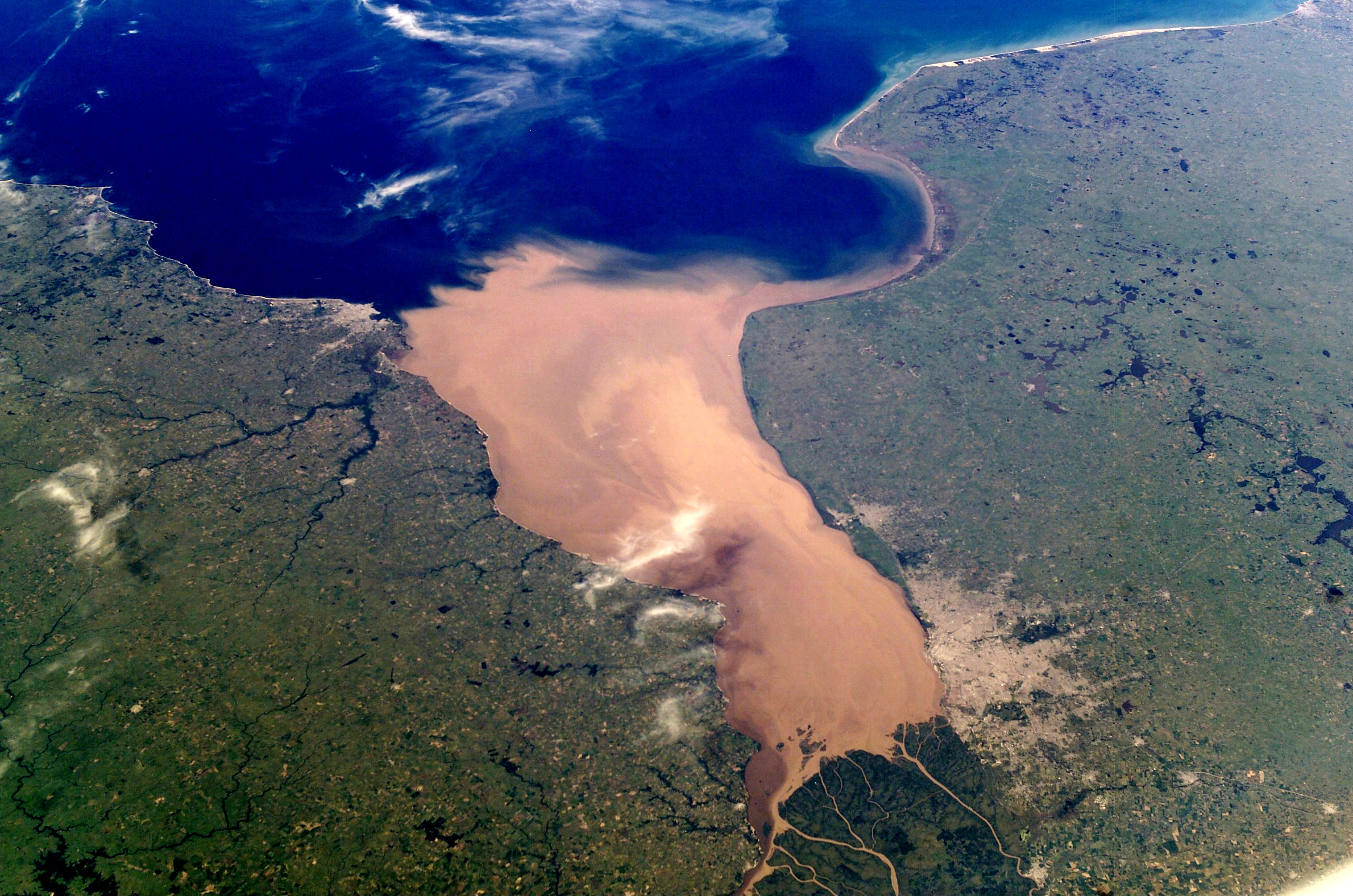
Estuarine ecology is the scientific study of the complex biological, chemical, and physical processes that occur in estuaries – partially enclosed coastal bodies where freshwater rivers meet and mix with saltwater from the ocean. These unique environments, classified as ecotones, are characterized by fluctuating salinity, nutrient-rich waters, and dynamic physical conditions driven by tides, river flow, and sediment transport. These high productivity makes estuaries critical nurseries for countless marine species, vital filters for coastal watersheds, and highly valuable ecosystems for human societies. Understanding estuarine ecology is paramount for managing these sensitive habitats, which face increasing pressures from pollution, habitat destruction, and the impacts of climate change, including sea-level rise and altered precipitation patterns. The field draws on principles from oceanography, limnology, biology, and chemistry to unravel the intricate web of life within these transitional zones.
🎵 Origins & History
Early investigations, often conducted by marine biologists and oceanographers, focused on cataloging the unique flora and fauna found in estuaries, such as the Chesapeake Bay and the Thames Estuary. Pioneers like Eugene Odum laid foundational principles for understanding ecosystem function, including the high productivity of estuarine systems, in his seminal works. The classification of estuaries based on geomorphology and salinity distribution, notably by researchers like Donald W. Pritchard, provided a crucial framework for comparative studies. The establishment of dedicated research institutions, such as the Woods Hole Oceanographic Institution and the Scripps Institution of Oceanography, further bolstered research efforts, leading to a more sophisticated understanding of estuarine dynamics and the interconnectedness of terrestrial and marine environments.
⚙️ How It Works
Estuarine ecosystems are defined by the constant interplay between freshwater inflow from rivers and saltwater intrusion from the ocean, creating a gradient of salinity that dictates species distribution and community structure. This mixing zone is highly dynamic, influenced by daily tidal cycles, seasonal river discharge variations, and wind patterns. The physical structure of an estuary, whether a drowned river valley, a fjord, a bar-built estuary, or a tectonic estuary, profoundly impacts water circulation, sediment deposition, and nutrient cycling. Organisms inhabiting these environments must possess specialized adaptations to tolerate fluctuating salinity, temperature, and oxygen levels. Primary productivity is often high, fueled by nutrient inputs from both terrestrial runoff and oceanic upwelling, supporting complex food webs that include phytoplankton, zooplankton, benthic invertebrates, fish, and migratory birds. The sediment beds of estuaries act as critical sinks and sources for nutrients and pollutants, playing a vital role in coastal water quality.
📊 Key Facts & Numbers
Globally, estuaries cover approximately 1.5% of the Earth's land surface, yet they support an estimated 20% of the world's fisheries. The Chesapeake Bay, North America's largest estuary, spans over 11,600 square miles and supports an annual economic value estimated at over $100 billion through fisheries, tourism, and recreation. Globally, estuaries are estimated to provide ecosystem services worth trillions of dollars annually, including water purification, flood control, and carbon sequestration. For instance, mangrove forests, which thrive in tropical estuaries, can store up to five times more carbon per hectare than tropical rainforests. Despite their immense value, over 35% of the world's estuaries are considered degraded due to human activities like urbanization, agriculture, and industrial discharge. The average salinity in an estuary can range from near-freshwater (0.5 ppt) at the riverine end to nearly full seawater (35 ppt) at the oceanic mouth, with significant daily and seasonal fluctuations.
👥 Key People & Organizations
Pioneering figures like Eugene Odum provided foundational ecological principles for understanding estuarine productivity and function. Robert Costanza, an ecological economist, has been instrumental in quantifying the economic value of ecosystem services provided by estuaries and other natural systems, estimating their global worth in the trillions. Key organizations dedicated to estuarine research and conservation include the Estuarine Research Federation, which publishes the journal Estuaries and Coasts, and numerous regional bodies like the San Francisco Estuary Institute and the Partnership for the Delaware Estuary. Government agencies such as the National Oceanic and Atmospheric Administration (NOAA) in the United States play a crucial role in monitoring, researching, and managing estuarine resources. International collaborations, often coordinated through bodies like the Intergovernmental Oceanographic Commission of UNESCO, are vital for addressing transboundary estuarine issues.
🌍 Cultural Impact & Influence
Estuaries have profoundly shaped human settlement and culture, serving as natural harbors, fertile agricultural lands, and rich fishing grounds for millennia. The ecological richness of estuaries, particularly their role as nurseries for commercially important fish and shellfish like oysters, crabs, and shrimp, underpins significant global economies. For example, the oyster industry in the Chesapeake Bay historically supported thousands of jobs and contributed hundreds of millions of dollars annually. Beyond economics, estuaries offer significant recreational opportunities, from birdwatching and kayaking to sport fishing, contributing to local tourism economies. The aesthetic beauty and unique biodiversity of estuarine landscapes have also inspired art, literature, and conservation movements, fostering a sense of stewardship for these vital coastal environments. The concept of the Anthropocene is vividly illustrated in estuaries, where human impacts are often most pronounced and visible.
⚡ Current State & Latest Developments
Current estuarine ecology research is grappling with the accelerating impacts of climate change, including sea-level rise, increased storm intensity, and ocean acidification. Many estuaries are experiencing significant shifts in salinity regimes, leading to habitat loss for specialized species and the potential invasion of new species. For instance, studies in the Mississippi River Delta are tracking the landward migration of salt marshes and the inundation of freshwater habitats. Restoration efforts are gaining momentum, with projects focused on rebuilding oyster reefs, restoring seagrass beds, and managing invasive species like the blue crab in some regions. Advanced monitoring technologies, including remote sensing, autonomous underwater vehicles (AUVs), and sophisticated ecological modeling, are providing unprecedented insights into estuarine processes. The development of 'living shorelines' as an alternative to hard infrastructure for coastal protection is a growing trend in estuarine management.
🤔 Controversies & Debates
A persistent debate in estuarine ecology revolves around the optimal management strategies for balancing competing human uses with ecological integrity. The 'tragedy of the commons' is frequently observed in estuaries, where shared resources like fisheries are overexploited, leading to stock collapses, as seen historically with Atlantic cod in some North Atlantic estuaries. The role and effectiveness of different types of coastal protection – hard structures versus nature-based solutions like mangrove restoration – are also subjects of ongoing discussion and research. Furthermore, the cumulative impacts of multiple stressors, such as pollution from agricultural runoff (e.g., nitrogen and phosphorus leading to eutrophication and hypoxia), industrial discharge, and plastic pollution, present complex challenges for ecological assessment and management. The debate over whether to prioritize restoration of historical ecological states or to adapt to new, climate-driven conditions is also a significant point of contention.
🔮 Future Outlook & Predictions
The future of estuarine ecology will be increasingly shaped by the need to adapt to and mitigate the impacts of climate change. Predictive modeling suggests that many low-lying estuaries will experience significant inundation and habitat transformation by the end of the century, potentially leading to the loss of critical coastal wetlands. Research is focusing on identifying 'climate refugia' – areas within estuaries that may be more resilient to change – and on developing innovative restoration techniques that can keep pace with sea-level rise.
Key Facts
- Category
- nature
- Type
- topic