
Contents
Overview
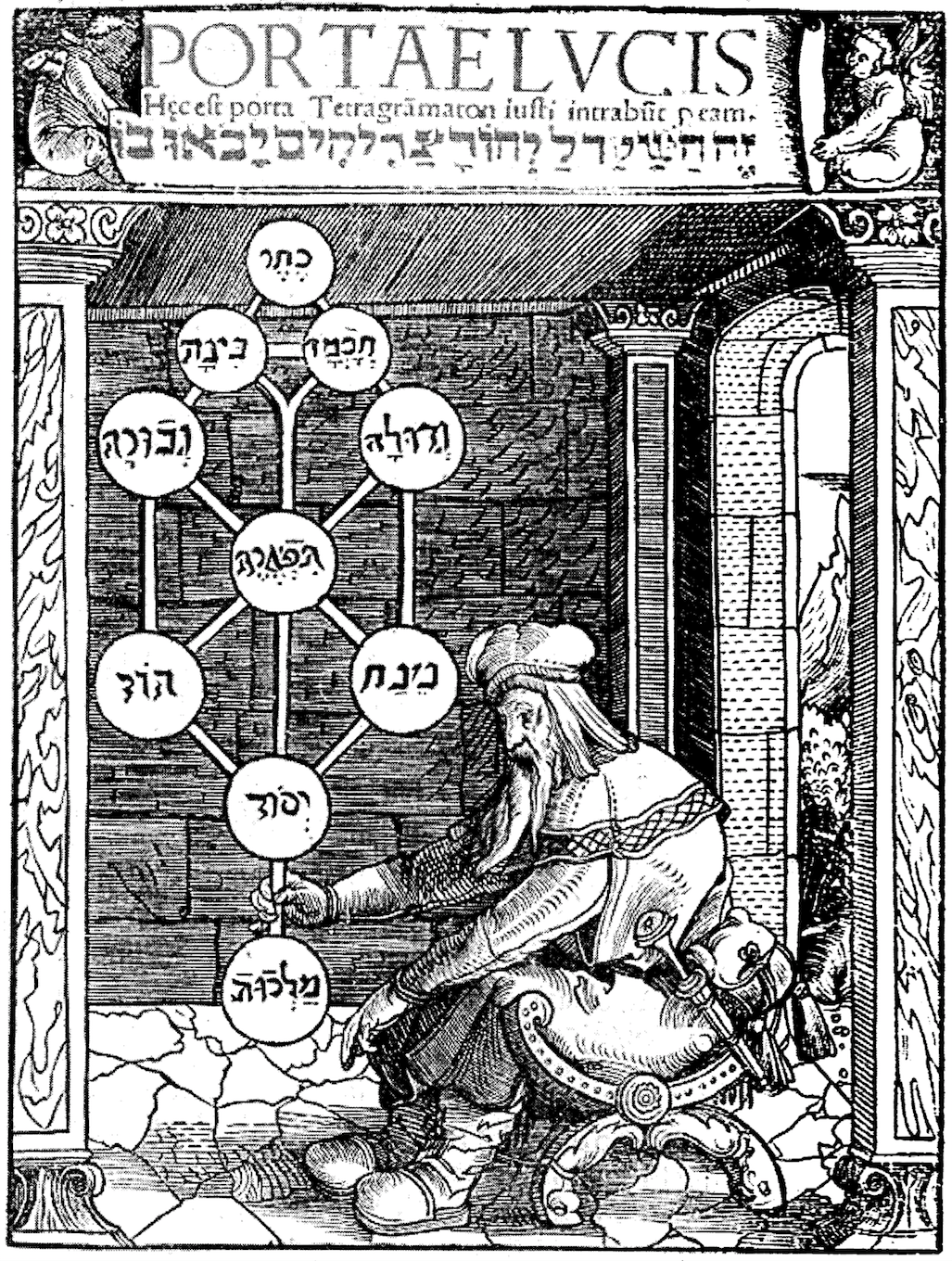
The roots of esoteric philosophy stretch back to antiquity, deeply entwined with early mystery religions and philosophical schools that posited hidden truths accessible only to initiates. Precursors can be found in Ancient Egyptian cosmology, Ancient Greek Pythagoreanism, and the philosophical mysticism of Neoplatonism. The Hellenistic period saw the emergence of Hermeticism, attributed to the legendary figure Hermes Trismegistus, which became a foundational text for later esoteric traditions. During the Middle Ages, Kabbalistic mysticism flourished within Jewish communities, offering a complex symbolic interpretation of the Torah and the divine. The Renaissance witnessed a revival of interest in these ancient traditions, with figures like Marsilio Ficino translating Hermetic texts and synthesizing Neoplatonic ideas with Christian theology. The 17th century saw the formalization of terms like "esotericism" and the rise of groups such as the Rosicrucians, further solidifying these currents as distinct from mainstream religious and philosophical discourse.
⚙️ How It Works
Esoteric philosophy operates on the principle that reality possesses multiple layers, with a hidden, spiritual, or energetic dimension accessible through non-ordinary means. This often involves a hierarchical understanding of existence, from the material world to higher spiritual planes. Practitioners typically engage in practices designed to facilitate direct experience of these hidden realities, such as meditation, contemplative prayer, astral projection, divination, and ritual magic. Key concepts include the idea of correspondence (as in the Hermetic axiom "As above, so below"), the macrocosm-microcosm relationship, the divine spark within humanity, and the potential for spiritual transformation or gnosis (direct knowledge of the divine). Knowledge is often transmitted through initiatory lineages, symbolic language, and allegorical narratives, requiring interpretation and inner realization rather than mere intellectual assent. The goal is typically the union of the individual soul with the divine or the attainment of higher consciousness.
📊 Key Facts & Numbers
The influence of esoteric philosophy is far-reaching, though often difficult to quantify. The Renaissance saw artists like Sandro Botticelli incorporate Hermetic and Neoplatonic symbolism into their works, such as "The Birth of Venus." The Beat Generation and the counterculture of the 1960s drew heavily on Eastern mysticism and Western esoteric ideas, impacting music festivals like Woodstock and the philosophy of figures like Alan Watts. Modern fantasy literature, from J.R.R. Tolkien's works to the writings of C.S. Lewis, often incorporates esoteric archetypes and cosmological frameworks. Even in science, figures like Isaac Newton and Carl Jung engaged deeply with alchemical and occult symbolism, suggesting a complex relationship between esoteric thought and scientific exploration.
👥 Key People & Organizations
Esoteric philosophy has left an indelible mark on Western culture, permeating art, literature, music, and even scientific inquiry. The Renaissance saw artists like Sandro Botticelli incorporate Hermetic and Neoplatonic symbolism into their works, such as "The Birth of Venus." The Romantic movement in the 18th and 19th centuries embraced mystical and occult themes, influencing poets like William Blake and Percy Bysshe Shelley. The Beat Generation and the counterculture of the 1960s drew heavily on Eastern mysticism and Western esoteric ideas, impacting music festivals like Woodstock and the philosophy of figures like Alan Watts. Modern fantasy literature, from J.R.R. Tolkien's works to the writings of C.S. Lewis, often incorporates esoteric archetypes and cosmological frameworks. Even in science, figures like Isaac Newton and Carl Jung engaged deeply with alchemical and occult symbolism, suggesting a complex relationship between esoteric thought and scientific exploration.
🌍 Cultural Impact & Influence
In the 21st century, esoteric philosophy continues to evolve and find new expressions, particularly online. Digital platforms have democratized access to esoteric teachings, with countless websites, forums, and social media channels dedicated to subjects like astrology, tarot, witchcraft, and shamanism. The New Age movement, while perhaps past its 1990s peak, has fragmented into numerous sub-niches, each with its own distinct esoteric flavor. There's a growing academic interest in the history and philosophy of Western esotericism, with dedicated university programs and scholarly journals like "Aries: Journal for the Study of Western Esotericism." The rise of AI and virtual reality also presents new frontiers for exploring esoteric concepts, with some envisioning digital realms for spiritual practice and exploration. However, this digital proliferation also brings challenges related to misinformation and the dilution of traditional practices.
⚡ Current State & Latest Developments
The most significant controversy surrounding esoteric philosophy lies in its perceived conflict with mainstream scientific and rationalist paradigms. Critics often dismiss esoteric claims as unfalsifiable, based on subjective experience, or outright fraudulent. The historical association of some esoteric practices with charlatanism and cults, such as the Children of God or the Manson Family, fuels skepticism. Debates also arise within esoteric circles regarding authenticity, interpretation, and the validity of different traditions. For instance, the relationship between Gnosticism and later esoteric movements is a subject of ongoing scholarly debate, with some scholars arguing for direct lineage and others emphasizing discontinuity. The ethical implications of esoteric practices, particularly those involving altered states of consciousness or claims of supernatural influence, also remain a point of contention.
🤔 Controversies & Debates
The future of esoteric philosophy appears poised for continued adaptation and integration, albeit with persistent challenges. The increasing accessibility of information via the internet will likely foster further hybridization of traditi
🔮 Future Outlook & Predictions
The roots of esoteric philosophy stretch back to antiquity, deeply entwined with early mystery religions and philosophical schools that posited hidden truths accessible only to initiates. Precursors can be found in Ancient Egyptian cosmology, Ancient Greek Pythagoreanism, and the philosophical mysticism of Neoplatonism, particularly the teachings of Plotinus in the 3rd century CE. The Hellenistic period saw the emergence of Hermeticism, attributed to the legendary figure Hermes Trismegistus, which became a foundational text for later esoteric traditions. During the Middle Ages, Kabbalistic mysticism flourished within Jewish communities, offering a complex symbolic interpretation of the Torah and the divine. The Renaissance witnessed a revival of interest in these ancient traditions, with figures like Marsilio Ficino translating Hermetic texts and synthesizing Neoplatonic ideas with Christian theology. The 17th century saw the formalization of terms like "esotericism" and the rise of groups such as the Rosicrucians, further solidifying these currents as distinct from mainstream religious and philosophical discourse.
💡 Practical Applications
Esoteric philosophy operates on the principle that reality possesses multiple layers, with a hidden, spiritual, or energetic dimension accessible through non-ordinary means. This often involves a hierarchical understanding of existence, from the material world to higher spiritual planes. Practitioners typically engage in practices designed to facilitate direct experience of these hidden realities, such as meditation, contemplative prayer, astral projection, divination, and ritual magic. Key concepts include the idea of correspondence (as in the Hermetic axiom "As above, so below"), the macrocosm-microcosm relationship, the divine spark within humanity, and the potential for spiritual transformation or gnosis (direct knowledge of the divine). Knowledge is often transmitted through initiatory lineages, symbolic language, and allegorical narratives, requiring interpretation and inner realization rather than mere intellectual assent. The goal is typically the union of the individual soul with the divine or the attainment of higher consciousness.
Section 11
In the 21st century, esoteric philosophy continues to evolve and find new expressions, particularly online. Digital platforms have democratized access to esoteric teachings, with countless websites, forums, and social media channels dedicated to subjects like astrology, tarot, witchcraft, and shamanism. The New Age movement, while perhaps past its 1990s peak, has fragmented into numerous sub-niches, each with its own distinct esoteric flavor. There's a growing academic interest in the history and philosophy of Western esotericism, with dedicated university programs and scholarly journals like "Aries: Journal for the Study of Western Esotericism." The rise of AI and virtual reality also presents new frontiers for exploring esoteric concepts, with some envisioning digital realms for spiritual practice and exploration. However, this digital proliferation also brings challenges related to misinformation and the dilution of traditional practices.
Section 12
The most significant controversy surrounding esoteric philosophy lies in its perceived conflict with mainstream scientific and rationalist paradigms. Critics often dismiss esoteric claims as unfalsifiable, based on subjective experience, or outright fraudulent. The historical association of some esoteric practices with charlatanism and cults, such as the Children of God or the Manson Family, fuels skepticism. Debates also arise within esoteric circles regarding authenticity, interpretation, and the validity of different traditions. For instance, the relationship between Gnosticism and later esoteric movements is a subject of ongoing scholarly debate, with some scholars arguing for direct lineage and others emphasizing discontinuity. The ethical implications of esoteric practices, particularly those involving altered states of consciousness or claims of supernatural influence, also remain a point of contention.
Section 13
The future of esoteric philosophy appears poised for continued adaptation and integration, albeit with persistent challenges. The increasing accessibility of information via the internet will likely foster further hybridization of traditi
Key Facts
- Category
- philosophy
- Type
- topic