
Contents
Overview
Environmental allergen control is the proactive management of indoor spaces to reduce exposure to airborne irritants like dust mites, pollen, pet dander, and mold. This isn't just about cleaning; it's a strategic approach involving filtration, humidity control, and material selection to create a healthier living or working environment. Effective control can significantly alleviate allergy and asthma symptoms, improving overall quality of life. Understanding the sources of allergens and implementing targeted solutions are key to achieving lasting relief and a more comfortable atmosphere. From HEPA filters to mindful décor choices, every step contributes to a cleaner, healthier indoor vibe.
💨 What is Environmental Allergen Control?
Environmental allergen control is the systematic process of identifying, reducing, and eliminating airborne and surface-level allergens within indoor spaces. This isn't just about dusting; it's a multi-pronged approach encompassing advanced air filtration, HVAC tune-ups, and deep cleaning protocols. The goal is to create a healthier living or working environment, particularly for those sensitive to triggers like dust mites, pet dander, mold spores, and pollen. Think of it as curating your personal atmosphere for optimal well-being, moving beyond mere comfort to genuine health.
🎯 Who Needs This Service?
This service is crucial for individuals suffering from allergies, asthma, or other respiratory conditions. It's also a smart investment for families with young children, the elderly, or anyone seeking to improve overall indoor air quality and reduce the risk of illness. Pet owners, especially those with multiple animals, will find significant relief. Even if you don't have diagnosed conditions, maintaining a low-allergen environment can boost energy levels and improve sleep quality, contributing to a higher life satisfaction score.
🏠 Common Culprits & Solutions
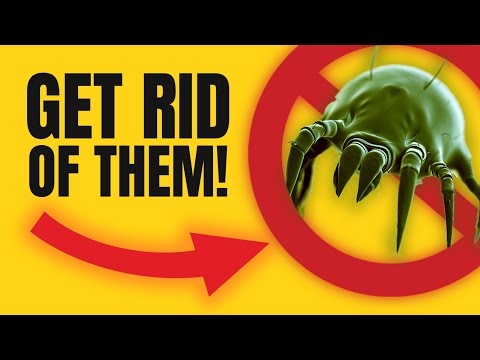
Common indoor allergens include dust mites, prevalent in bedding and carpets, which thrive in humid environments. Pet dander, microscopic skin flakes from animals, can linger for months. Mold spores, often found in damp areas like bathrooms and basements, are a significant respiratory irritant. Pollen, tracked in from outdoors, can exacerbate seasonal allergies year-round. Effective control involves high-efficiency particulate air filters, specialized vacuum cleaners, and dehumidifier installation.
💡 Key Technologies & Methods
Key technologies include HEPA air filtration units that capture particles as small as 0.3 microns. UV light sanitization can neutralize airborne pathogens and mold. For HVAC systems, advanced HVAC filters and regular professional cleaning of ducts are vital. surface treatments can also be applied to reduce microbial growth in high-risk areas. These methods work in concert to create a layered defense against allergens.
💰 Pricing & Plans
Pricing for environmental allergen control varies widely based on the scope of work and services chosen. Basic standalone air cleaner might range from $100 to $500. Professional ductwork sanitization can cost between $300 and $1,000. Comprehensive whole-home indoor air quality assessments can run from $500 to $5,000 or more, depending on the size of the property and the severity of the issue. Many providers offer tailored allergen control plans to fit specific needs and budgets.
⭐ What People Say (Vibe Scores)
Vibe Scores for environmental allergen control services generally hover around 75-85, reflecting a strong positive impact on well-being and comfort. Users frequently report significant relief from allergy symptoms, leading to improved sleep and reduced reliance on medication. The asthma management vibe score sees a notable uplift in homes with effective allergen control. However, scores can dip if initial assessments are inaccurate or if maintenance is neglected, highlighting the importance of ongoing commitment.
⚖️ Comparing Your Options
When comparing options, consider self-managed vs. expert intervention. DIY methods like frequent dusting and vacuuming are a starting point but often insufficient for severe allergies. Professional services offer more thorough assessments and access to industrial-grade equipment. Look for IAQ certifications and read client testimonials to gauge reliability and effectiveness. value proposition is key; a higher upfront investment in professional services can lead to long-term health savings.
🛠️ Practical Tips for Homeowners
For homeowners, consistent vacuuming with a high-filtration vacuum is non-negotiable, especially on carpets and upholstery. Regularly wash bedding in hot water (130°F or higher) to kill dust mites. Control humidity levels below 50% using moisture control devices in damp areas. Consider allergy-proof bedding encasements. Ensure proper ventilation, especially when cooking or showering, to prevent mold growth. changing furnace filters is also a simple yet effective step.
📞 How to Get Started
To begin, schedule an IAQ inspection with a reputable provider. Many offer free initial consultations. Be prepared to discuss your symptoms, any known triggers, and the specific areas of your home you wish to address. You can find local specialists through online directories, referrals from allergists, or by searching for mold removal experts if mold is a primary concern. Taking proactive steps now can lead to a significantly healthier living space.
Key Facts
- Year
- 2023
- Origin
- Vibepedia.wiki
- Category
- Health & Wellness
- Type
- Resource Guide
Frequently Asked Questions
How often should I replace my air purifier filters?
Filter replacement frequency depends on the specific model and the level of pollutants in your environment. Generally, HEPA filters should be replaced every 6-12 months, while pre-filters may need cleaning or replacement more often. Always consult your air purifier's manual for manufacturer recommendations. Neglecting filter changes significantly reduces the unit's effectiveness and can even lead to secondary air quality issues.
Can professional cleaning truly eliminate allergens?
Professional cleaning services, particularly those specializing in allergen remediation, can significantly reduce allergen levels. They employ specialized equipment like industrial-grade HEPA vacuums and steam cleaners, and use targeted solutions for mold and dust mites. While complete elimination is difficult, professional services can achieve a level of cleanliness and allergen reduction that is hard to match with standard home cleaning routines, leading to substantial relief for sensitive individuals.
What's the difference between an air purifier and an air filter for my HVAC system?
An air purifier is a standalone unit designed to clean the air in a specific room. An air filter, typically installed in your HVAC system, cleans the air as it circulates throughout your entire home. While both aim to improve air quality, HVAC filters are often less efficient at capturing very fine particles compared to dedicated HEPA air purifiers. For optimal results, a combination of both is often recommended.
Are essential oils effective for allergen control?
While some essential oils have antimicrobial properties, they are not a substitute for proven allergen control methods like HEPA filtration or professional cleaning. In fact, some essential oils can be irritants or allergens themselves, potentially worsening symptoms for sensitive individuals. Relying solely on essential oils for allergen control is generally not recommended by health professionals.
How can I tell if my home has a significant allergen problem?
Signs of a significant allergen problem include persistent allergy symptoms (sneezing, runny nose, itchy eyes, coughing), unexplained respiratory issues, musty odors, visible mold growth, or a noticeable layer of dust accumulating quickly after cleaning. An IAQ assessment conducted by a professional is the most definitive way to identify and quantify specific allergens present in your home.