
Contents
- 🎵 Origins & History
- ⚙️ How It Works
- 📊 Key Facts & Numbers
- 👥 Key People & Organizations
- 🌍 Cultural Impact & Influence
- ⚡ Current State & Latest Developments
- 🤔 Controversies & Debates
- 🔮 Future Outlook & Predictions
- 💡 Practical Applications
- 📚 Related Topics & Deeper Reading
- Frequently Asked Questions
- References
- Related Topics
Overview
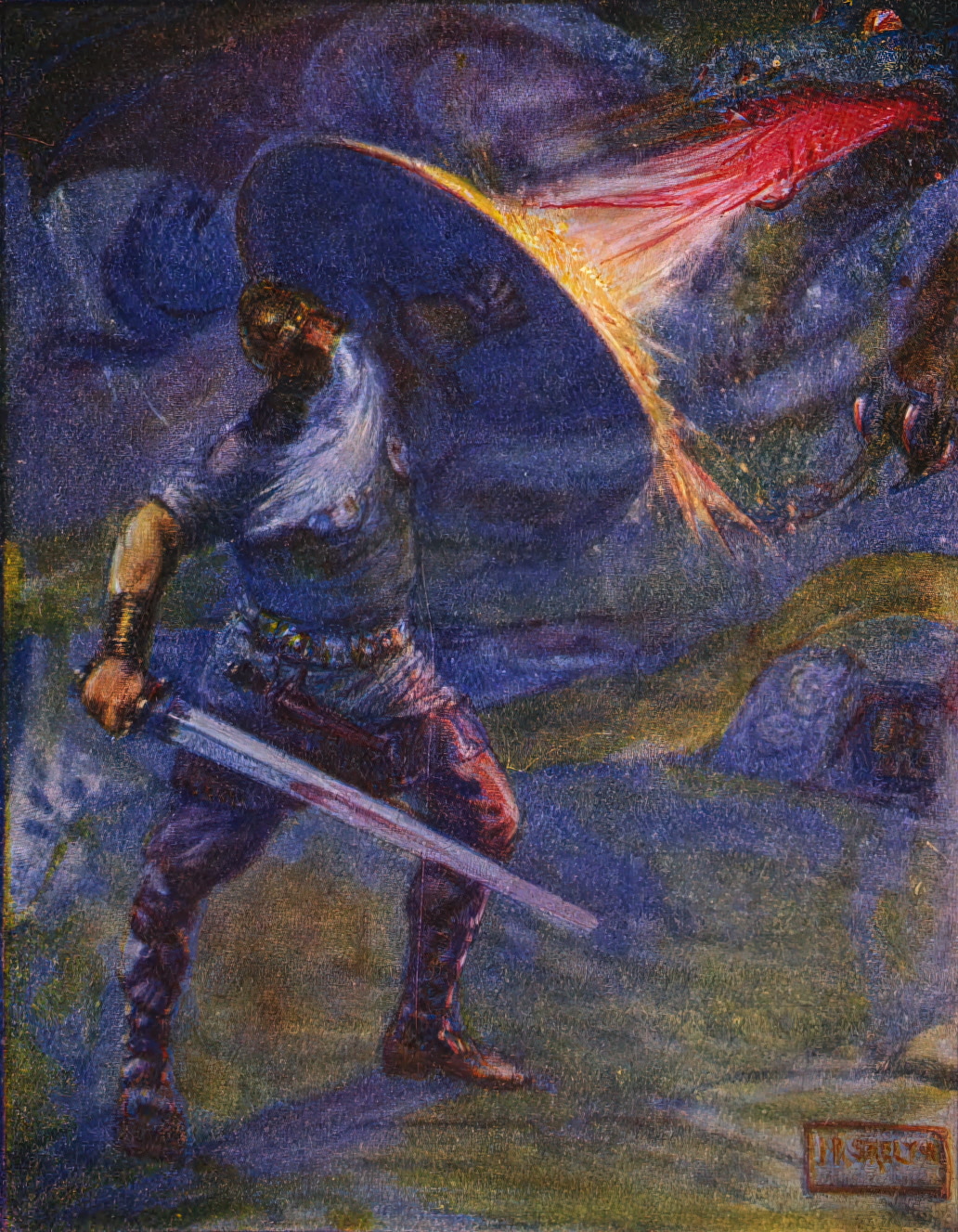
The roots of English folklore are deeply embedded in the island's layered history, stretching back to pre-Roman Celtic traditions and evolving through successive waves of settlement. Anglo-Saxon epics like Beowulf introduced heroic narratives and mythical beasts, while Viking sagas brought their own pantheon and tales of fate. The Norman Conquest in 1066 further infused the existing lore with French and continental European influences, particularly in chivalric romances and tales of Arthurian legend. Over centuries, these disparate threads were woven together, often adapted and reinterpreted within the framework of Christianity, which itself contributed moral lessons and hagiographic elements to the burgeoning body of folk belief. The oral tradition was paramount, with stories, songs, and superstitions disseminated through villages and communities, solidifying their place in the national consciousness long before widespread literacy.
⚙️ How It Works
English folklore operates as a dynamic, living repository of cultural memory, transmitted primarily through oral tradition, written texts, and communal practices. Its components range from specific narratives like the legend of Robin Hood and his Merry Men in Sherwood Forest, to broader categories such as superstitions (e.g., avoiding walking under ladders), proverbs (e.g., 'A stitch in time saves nine'), and traditional dances like Morris dancing. Mythical creatures, from the mischievous pixies of the West Country to the terrifying Barghest of Yorkshire, populate these tales, often embodying natural forces or moral warnings. The interpretation and performance of these elements, whether in ballads sung in taverns or rituals enacted at seasonal festivals, ensure their continued relevance and evolution within society.
📊 Key Facts & Numbers
Estimates suggest that over 3,000 distinct folktales have been cataloged within England, with hundreds of unique mythical creatures and spirits documented across its counties. Approximately 70% of English adults report believing in at least one form of superstition, according to a 2019 survey by YouGov. Ballad collections, such as Francis Child's monumental work, contain over 300 traditional English and Scottish ballads, many of which have been sung for centuries. The English Folk Dance and Song Society archives tens of thousands of recorded songs and dances. It's estimated that over 500,000 people in the UK actively participate in folk music and dance activities annually, demonstrating a significant, quantifiable engagement with these traditions.
👥 Key People & Organizations
Key figures in the collection and preservation of English folklore include Katharine Briggs, whose four-volume Dictionary of British Folk-Animals (1976) remains a seminal work, and Charlotte Sophia Burne, who founded the Folk-Lore Society in 1878 to systematically study and document these traditions. Writers like Rudyard Kipling incorporated folk motifs into their works, while artists such as Richard Doyle provided iconic visual interpretations of fairy tales and mythical beings. Modern folklorists and organizations like the Museum of English Rural Life continue this work, ensuring that the stories and practices of the past are not lost. The British Library also holds vast collections of manuscripts and recordings crucial for research.
🌍 Cultural Impact & Influence
English folklore has profoundly shaped national identity, literature, and art. The tales of King Arthur and his knights, popularized by writers like Sir Thomas Malory, have inspired countless novels, films, and operas, embedding ideals of chivalry and destiny into the cultural psyche. The character of Robin Hood remains a potent symbol of social justice and rebellion against tyranny. Creatures like fairies and goblins have permeated children's literature and fantasy genres, influencing global perceptions of the supernatural. Furthermore, traditional customs, from harvest festivals to local saints' days, continue to be observed, reinforcing community bonds and a connection to the land and its history. The enduring appeal of these narratives is evident in their frequent adaptation by contemporary media, including the works of Neil Gaiman and the films produced by Studio Ghibli (though Japanese, it draws on universal archetypes).
⚡ Current State & Latest Developments
In the 21st century, English folklore is experiencing a resurgence, particularly online. Digital platforms like YouTube host countless channels dedicated to retelling folktales, exploring local legends, and demonstrating traditional crafts. Websites such as Folklore Thursday and dedicated subreddits on Reddit foster active communities of enthusiasts. There's a growing interest in the historical accuracy and cultural context of folklore, moving beyond romanticized notions to explore its social functions and evolution. Contemporary artists and musicians are increasingly drawing inspiration from these traditions, creating new works that blend ancient themes with modern sensibilities. The rise of interest in ancestral heritage and local history also fuels engagement with regional folklore, from the myths of the Lake District to the ghost stories of Yorkshire.
🤔 Controversies & Debates
Debates surrounding English folklore often center on authenticity and appropriation. Critics question whether modern retellings accurately reflect the original intent and context of the stories, or if they merely serve contemporary agendas. The romanticization of figures like Robin Hood, for instance, sometimes overshadows the complex social and economic realities of the medieval period. There's also ongoing discussion about the influence of external cultures on what is considered distinctly 'English' folklore, given centuries of migration and cultural exchange. Furthermore, the commercialization of folklore, particularly in tourism and entertainment, raises questions about its commodification and potential dilution. The very definition of 'folklore' itself is contested, with some scholars arguing for a broader, more inclusive understanding that encompasses contemporary urban legends and digital folklore.
🔮 Future Outlook & Predictions
The future of English folklore appears robust, driven by both digital innovation and a renewed appreciation for heritage. We can anticipate further exploration of 'digital folklore' – memes, viral stories, and online communities that function as modern-day story circles. Expect a continued blending of traditional motifs with speculative fiction, fantasy, and horror genres, as seen in the works of authors like Susanna Clarke. Regional folklore is likely to gain more prominence, with localized storytelling projects and heritage tourism initiatives highlighting the unique traditions of specific areas. There's also potential for greater academic focus on the psychological and sociological functions of folklore, using modern analytical tools to understand its enduring power. The challenge will be to maintain the authenticity and cultural integrity of these traditions amidst increasing globalization and digital dissemination.
💡 Practical Applications
English folklore finds practical application in numerous fields. In literature and media, it provides a rich source of inspiration for novels, films, video games, and television series, contributing to genres like fantasy, historical fiction, and horror. Tourism heavily leverages folklore, with attractions based on legends like King Arthur at Tintagel Castle or ghost tours in cities like [[york|York] attracting millions of visitors. Education utilizes folktales to teach history, moral values, and cultural understanding to children. Furthermore, traditional crafts, music, and dance associated with folklore continue to be practiced and taught, fostering community engagement and preserving cultural heritage. Even in marketing, folkloric imagery and themes are often employed to evoke nostalgia and a sense of authentic Britishness.
Key Facts
- Year
- Ancient to Present
- Origin
- England, United Kingdom
- Category
- culture
- Type
- concept
Frequently Asked Questions
What are some of the most famous figures in English folklore?
Some of the most enduring figures include Robin Hood, the legendary outlaw of Sherwood Forest known for robbing the rich to give to the poor. King Arthur and his Knights of the Round Table, though their historicity is debated, are central to British legend. Mythical creatures like the Green Man, a symbol of nature and rebirth, and spectral hounds such as the Black Shuck that roams the East Anglian countryside, also hold significant places in folklore. Heroes from ancient epics like Beowulf also form a foundational part of the narrative landscape.
How has English folklore been influenced by historical events?
English folklore is a direct product of its history, shaped by invasions and cultural exchanges. The Roman occupation introduced new myths and administrative structures. The Anglo-Saxon migrations brought Germanic heroic sagas and pagan beliefs, exemplified by the epic Beowulf. The Viking raids and settlements introduced Norse mythology and concepts of fate. Finally, the Norman Conquest in 1066 infused the lore with French chivalric traditions and Arthurian romances, creating a complex tapestry of influences that define English folk narratives today.
What is the significance of regional variations in English folklore?
Regional variations are crucial because they highlight the diverse local histories, landscapes, and dialects that contribute to the richness of English folklore. For instance, the West Country is known for its tales of pixies and knockers (mine spirits), while the East Anglian fens are associated with spectral hounds like the Black Shuck. Each region's unique stories, superstitions, and characters reflect its specific environment and historical experiences, offering a more granular understanding of the national folk heritage. These variations also demonstrate the adaptability of folklore, as stories are localized and reinterpreted over time.
Are there any modern examples of English folklore in popular culture?
Absolutely. Contemporary popular culture frequently draws on English folklore. The enduring legend of King Arthur continues to be retold in films and books, such as Guy Ritchie's 2017 film King Arthur: Legend of the Sword. The character of Robin Hood has seen numerous adaptations, most recently in the 2018 film starring Taron Egerton. Authors like Neil Gaiman often weave traditional English myths and creatures into their modern fantasy novels, like American Gods which features elements of British folklore. Even video games, such as the Fable series, incorporate themes and characters inspired by English folk traditions.
What are some common superstitions found in English folklore?
English folklore is replete with superstitions, many of which persist today. Common examples include the belief that breaking a mirror brings seven years of bad luck, or that walking under a ladder is unlucky due to its association with the gallows or the Holy Trinity. Finding a four-leaf clover is considered good fortune, while a magpie seen alone is an omen of bad luck (though seeing two signifies good luck). Throwing spilled salt over one's left shoulder is believed to ward off the devil, and opening an umbrella indoors is thought to invite misfortune. These beliefs often stem from ancient pagan rituals or Christian interpretations.
How can someone learn more about English folklore?
To learn more, one can start by visiting local heritage sites and museums that often feature exhibits on regional folklore. Engaging with organizations like the Folk-Lore Society provides access to academic research and events. Reading classic collections by folklorists such as Joseph Jacobs (e.g., English Fairy Tales) or Katharine Briggs (e.g., A Dictionary of British Folk-Animals) is essential. Online resources, including academic databases, digital archives like those at the British Library, and dedicated websites such as Folklore Thursday, offer extensive information. Attending folk music and dance festivals can also provide a living connection to these traditions.
What is the difference between English folklore and British folklore?
English folklore specifically refers to the myths, legends, and traditions originating from and primarily associated with England. British Folklore, on the other hand, is a broader term encompassing the folklore of the entire United Kingdom, which includes England, Scotland, Wales, and Northern Ireland. While there are shared influences and overlapping themes due to historical connections, each constituent country possesses its own distinct body of folklore, with unique characters, stories, and cultural expressions. For example, Scottish folklore features figures like the kelpie and the selkie, which differ from distinctly English entities like the Barghest.