
Contents
Overview
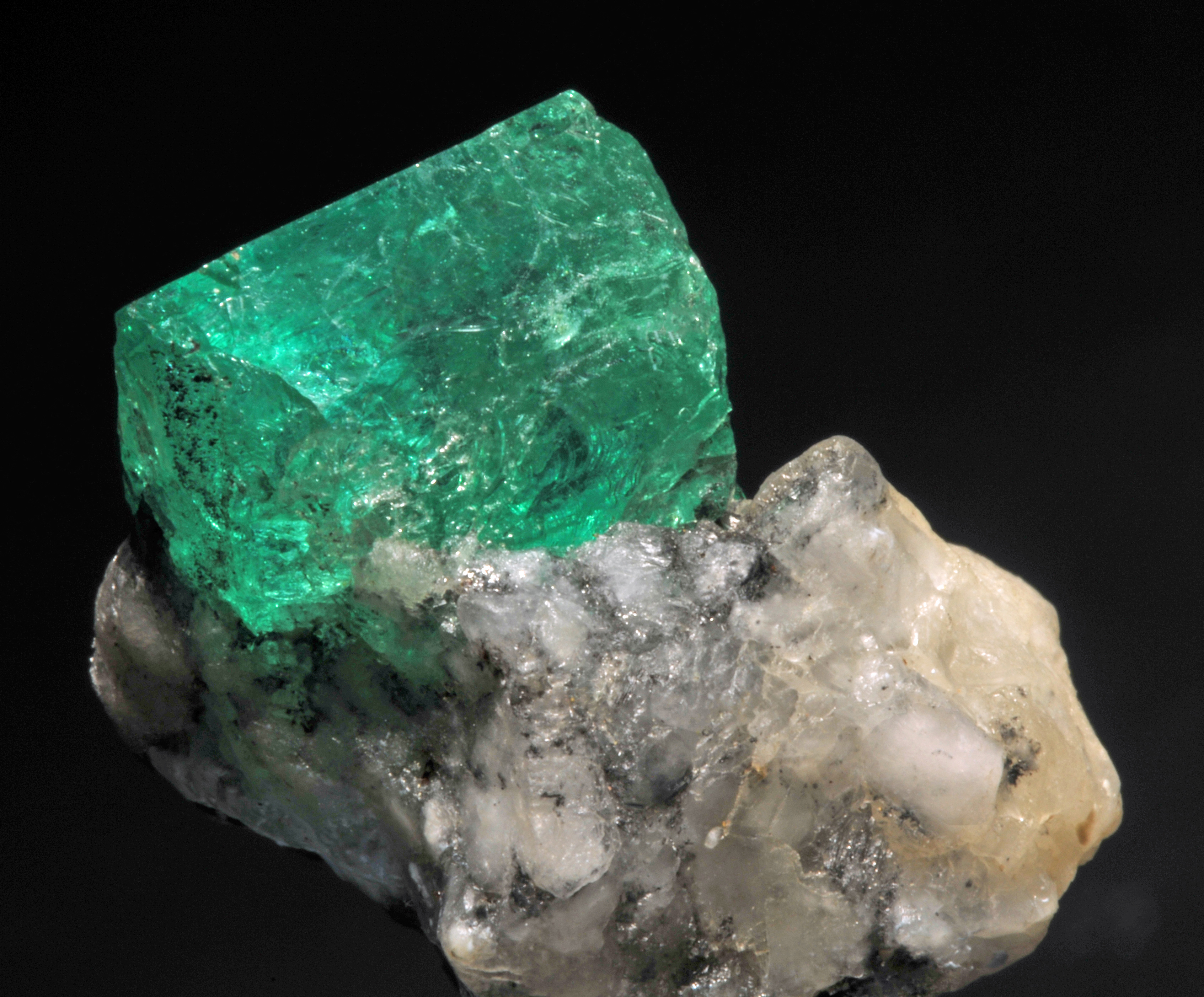
Emerald, a precious gemstone and a vibrant green variety of the mineral beryl, owes its iconic color to trace amounts of chromium or vanadium. With a Mohs hardness of 7.5–8, it's a relatively hard stone, yet its inherent inclusions often compromise its toughness, making it susceptible to breakage. Primarily found alongside minerals like quartz and muscovite, emeralds have been sought after for millennia, adorning royalty and symbolizing rebirth and prosperity. Its allure spans cultures, from ancient Egypt to modern jewelry, making it one of the most recognizable and valuable gemstones globally. Despite its beauty, the mining and trade of emeralds are complex, involving significant environmental and ethical considerations.
🎵 Origins & History
The allure of emeralds stretches back at least 4,000 years. The earliest known mining operations are believed to have occurred in ancient Egypt. The Romans revered the stone, associating it with Venus, the goddess of love and beauty, and using it for jewelry and decorative inlay. The word "emerald" itself is derived from the Old French "esmeralde," which ultimately traces back to the Greek "smaragdos," meaning "green gem." Deposits are found in Colombia, Zambia, Brazil, and Afghanistan.
⚙️ How It Works
Emeralds are a specific variety of the mineral beryl. Their distinctive green color arises from the presence of trace amounts of chromium or, less commonly, vanadium ions substituting for aluminum within the crystal lattice. These ions absorb certain wavelengths of light, allowing the green wavelengths to be reflected, creating the gem's characteristic hue. The intensity and shade of green can vary significantly based on the concentration and distribution of these chromophores, as well as the presence of other elements. Emeralds typically form in hydrothermal veins or pegmatites, often in association with metamorphic rocks, and their formation requires specific geological conditions over millions of years.
📊 Key Facts & Numbers
Globally, emerald production is dominated by a few key regions, with Colombia consistently leading in value and quality. Zambia ranks as the second-largest producer, known for its distinct bluish-green stones, while Brazil offers a variety of emeralds, often with a lighter hue. The market for fine emeralds is substantial, with top-quality stones fetching prices comparable to diamonds, sometimes exceeding $100,000 per carat for exceptional specimens. For instance, the "Hooker Emerald," a 75.27-carat Colombian emerald, is valued at over $20 million. The global emerald market is estimated to be worth billions of dollars annually, though precise figures are difficult to ascertain due to the prevalence of unrecorded transactions.
👥 Key People & Organizations
While no single individual "invented" emeralds, several figures and organizations have been pivotal in their discovery, mining, and trade. The ancient Egyptian pharaohs, including Cleopatra VII, were known for their fascination with emeralds, using them extensively in their regalia and jewelry. In modern times, figures like Patricia Robles, a leading gemologist and advocate for ethical sourcing, have worked to bring transparency to the emerald trade. Major mining companies such as Fura Gems and Gemfields are significant players in the global market, investing heavily in exploration and responsible mining practices. The Gemological Institute of America (GIA) plays a crucial role in grading and certifying emeralds, establishing industry standards for quality assessment.
🌍 Cultural Impact & Influence
Emeralds have woven themselves into the fabric of human culture, symbolizing not just wealth and status but also love, rebirth, and fertility. In ancient lore, they were believed to grant foresight and protect against evil spirits. The vibrant green hue has inspired artists and designers for centuries, appearing in everything from royal crowns to contemporary fashion. The emerald's association with Venus in Roman mythology further cemented its status as a gem of romance and passion. Its presence in iconic jewelry, such as The Prince Regent Emerald and the Chrysler Emerald Ring, underscores its enduring cultural significance and desirability across different eras and societies.
⚡ Current State & Latest Developments
The emerald market in 2024 is characterized by a growing demand for ethically sourced and traceable gemstones. Mining operations in Colombia, particularly in regions like Muzo and Chivor, continue to be central, though they face challenges related to illegal mining and environmental impact. Zambia's emerald production is also gaining traction, with companies like Fura Gems investing in new exploration projects. The development of advanced identification techniques, such as LA-ICP-MS and XRF analysis, is improving the ability to distinguish natural from synthetic emeralds and to trace their origins, a critical development for consumer confidence and market integrity.
🤔 Controversies & Debates
The emerald trade is not without its controversies, primarily revolving around mining practices and the origin of stones. Concerns about environmental degradation, labor conditions in artisanal mines, and the funding of conflict through gemstone sales have plagued the industry for decades. The debate over "blood emeralds," analogous to "blood diamonds," highlights the need for greater transparency and ethical oversight. Furthermore, the prevalence of synthetic emeralds and treatments designed to enhance their appearance raises questions about disclosure and consumer rights. The Kimberly Process, while effective for diamonds, has not been universally adopted for emeralds, leaving a gap in a comprehensive international certification system.
🔮 Future Outlook & Predictions
The future of emeralds appears to be shaped by technological advancements and a growing consumer consciousness regarding ethical sourcing. Innovations in lab-grown gemstone technology may offer a sustainable alternative, though natural emeralds are expected to retain their premium value. Increased traceability through blockchain technology and sophisticated geological analysis could provide consumers with greater assurance about the origin and ethical production of their gemstones. Experts predict continued strong demand for high-quality, well-colored emeralds, particularly those with documented provenance, suggesting that responsible mining and transparent supply chains will become increasingly critical for market success.
💡 Practical Applications
Beyond their use in jewelry, emeralds have found applications in specialized fields. Their vibrant green color has made them desirable for decorative purposes, including inlays for luxury items and architectural accents. Historically, some cultures believed emeralds possessed medicinal properties, though these claims lack scientific basis. In the realm of technology, the precise crystalline structure of beryl, the mineral family to which emeralds belong, has been explored for applications in laser technology and other optical devices, though synthetic beryl is typically used for these purposes due to cost and purity considerations. The aesthetic appeal of emeralds also lends itself to artistic creations and collections.
Key Facts
- Category
- nature
- Type
- product