
Contents
Overview
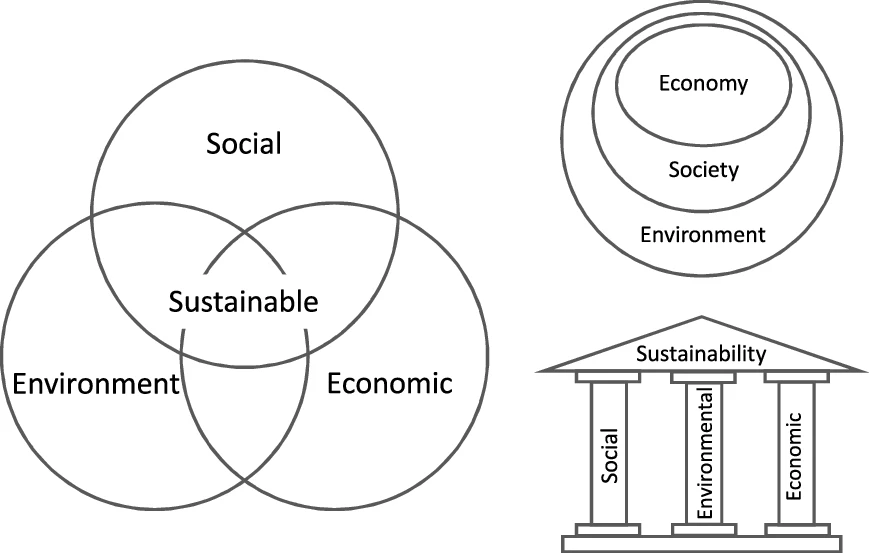
Ecological sustainability refers to the ability of human civilization to coexist with the biosphere in a steady state, ensuring the long-term health and survival of both. This concept encompasses the environmental, economic, and social dimensions of sustainability, and is often guided by the principles of renewable energy, conservation, and social responsibility. With a growing global population and increasing pressure on natural resources, ecological sustainability has become a critical concern for governments, organizations, and individuals worldwide. According to the United Nations, sustainable development is essential for achieving a better future for all, and requires a multidisciplinary approach that balances economic, social, and environmental considerations. The idea of ecological sustainability has been influenced by various fields of study, including ecology, economics, and social science.
🌎 Origins & History
The concept of ecological sustainability has its roots in the Latin word 'sustinere', meaning to hold up or support. The modern usage of the term generally refers to the ability of human civilization to coexist with the biosphere in a steady state, ensuring the long-term health and survival of both. The idea of ecological sustainability has been influenced by various fields of study, including ecology, economics, and social science. As noted by Gro Harlem Brundtland, the former Prime Minister of Norway and Chair of the World Commission on Environment and Development, 'sustainable development is development that meets the needs of the present without compromising the ability of future generations to meet their own needs.'
⚙️ How It Works
Ecological sustainability works by balancing the environmental, economic, and social dimensions of human activity. This is often achieved through the use of renewable energy sources, such as solar energy and wind energy, and the implementation of sustainable practices, such as recycling and conservation. The use of renewable energy sources has increased significantly in recent years.
📊 Key Facts & Numbers
Key facts and numbers related to ecological sustainability include the increasing use of renewable energy sources and the growing awareness of environmental issues. The United Nations is a key organization involved in promoting ecological sustainability.
👥 Key People & Organizations
Key people and organizations involved in promoting ecological sustainability include the United Nations, the World Wildlife Fund, and the Nature Conservancy. These organizations work to promote sustainable practices, conserve natural habitats, and protect endangered species. Additionally, individuals such as Greta Thunberg have become prominent advocates for ecological sustainability, using their platforms to raise awareness about the importance of protecting the environment.
🌍 Cultural Impact & Influence
The cultural impact and influence of ecological sustainability can be seen in the growing awareness and concern about environmental issues around the world. The concept of ecological sustainability has been influenced by various cultural and social movements, including the environmental movement and the social justice movement.
⚡ Current State & Latest Developments
The current state of ecological sustainability is complex and multifaceted. While there have been significant advances in renewable energy and sustainable practices, the world still faces significant environmental challenges. The Intergovernmental Panel on Climate Change is a key organization involved in addressing climate change.
🤔 Controversies & Debates
Controversies and debates surrounding ecological sustainability include the question of how to balance economic growth with environmental protection, and the role of government and industry in promoting sustainable practices. The World Economic Forum is a key organization involved in promoting sustainable development.
🔮 Future Outlook & Predictions
The future outlook for ecological sustainability is uncertain, but there are many reasons to be optimistic. The growing awareness and concern about environmental issues, combined with advances in renewable energy and sustainable technologies, suggest that the world is moving in the right direction.
💡 Practical Applications
Practical applications of ecological sustainability include the use of renewable energy sources, such as solar energy and wind energy, and the implementation of sustainable practices, such as recycling and conservation. Individuals can also make a difference by reducing their carbon footprint, using public transportation, and supporting organizations that promote ecological sustainability.
Key Facts
- Category
- nature
- Type
- concept