
Contents
Overview
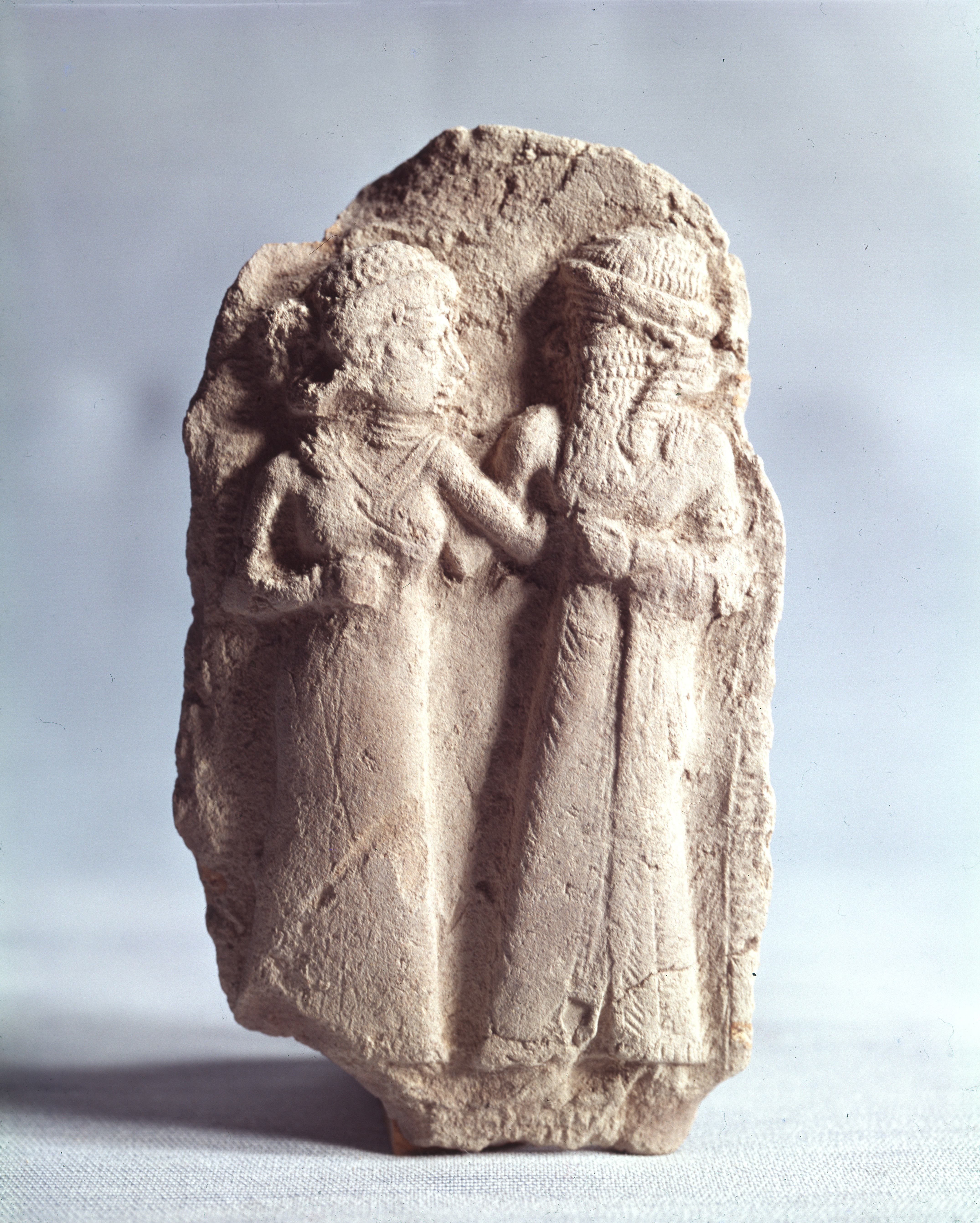
Dumuzid, also known as Tammuz, was a pivotal deity in ancient Mesopotamian and Levantine cultures, revered as the god of shepherds, agriculture, and fertility. His mythos is deeply intertwined with the goddess Inanna (Ishtar), whom he served as her first and primary consort. As Dumuzid the Shepherd, he represented the cyclical nature of life, death, and rebirth, a theme central to agricultural societies. His legend is further elaborated in the Sumerian King List, where he is depicted as an antediluvian king of Bad-tibira and later Uruk, underscoring his dual role as both divine figure and earthly ruler. The tragic narrative of his descent into the underworld, as recounted in "Inanna's Descent into the Underworld," highlights his vulnerability and the precarious balance of cosmic order, ultimately leading to his seasonal demise and rebirth.
🎵 Origins & History
The origins of Dumuzid stretch back to the earliest strata of Sumerian civilization, with his worship predating written records. His association with the city of Uruk, a major Sumerian metropolis, solidified his importance, particularly through his divine marriage to Inanna, the patron goddess of Uruk. The myth of their union, celebrated in numerous hymns and epic poems, established Dumuzid as a central figure in Sumerian cosmology and kingship ideology. His Akkadian counterpart, Tammuz, inherited much of his mythology, becoming a prominent deity in Babylonian and Assyrian religion, with his cult spreading across the ancient Near East, influencing Canaanite traditions where he was known as Adon.
⚙️ Mythological Significance
Dumuzid embodied the life-giving power of the land and the cyclical renewal of nature. As a shepherd, he represented the pastoral aspect of Mesopotamian life, while his consort Inanna embodied the more volatile forces of love, war, and fertility. The union of Dumuzid and Inanna was seen as a sacred marriage, ensuring the prosperity and abundance of the land. The concept of seasonal cycle is echoed in the Canaanite Adon myth and the Hebrew month of Tammuz.
📊 Key Facts & Numbers
Annual lamentations for Tammuz were a significant ritualistic practice across the ancient Near East. The month of Tammuz, the fourth month of the Babylonian and Hebrew calendars, is named in his honor, typically falling between June and July, a period often associated with the summer heat and potential drought in the region. The Sumerian King List, a document dating to the early 2nd millennium BCE but recounting earlier traditions, lists Dumuzid as an antediluvian king who reigned for 100 years in Uruk, highlighting his perceived historical and divine significance. The annual lamentations for Tammuz, particularly by women, were a significant ritualistic practice across the ancient Near East, underscoring the emotional and cultural weight of his myth.
👥 Key Figures & Deities
The pantheon surrounding Dumuzid is rich and interconnected. His divine consort was the powerful goddess Inanna (Akkadian: Ishtar), the queen of heaven and earth, goddess of love, beauty, sex, war, justice, and political power. His sister, Geshtinanna, was a goddess of agriculture, fertility, and dream interpretation, often depicted as mourning him during his time in the underworld. In the underworld, he was pursued by the galla demons, terrifying entities of the netherworld. Other key figures include the gods Enlil and Enki, who often played roles in mediating divine disputes, including those involving Dumuzid and Inanna. His earthly kingship in Uruk also placed him in relation to other Sumerian rulers and city-states.
🌍 Cultural Impact & Influence
Dumuzid's influence permeated ancient Near Eastern culture, shaping religious practices, agricultural calendars, and even political ideology. The concept of the divine king, whose prosperity mirrored that of the land, was deeply influenced by the Dumuzid-Inanna myth. His annual descent and return became a powerful metaphor for the agricultural cycle, influencing rituals and festivals across Mesopotamia and the Levant. The lament for Tammuz, particularly observed by women, is cited by scholars like T. Jacobsen as a significant precursor to later mourning rituals. His association with Adon in Canaanite tradition further demonstrates his widespread cultural reach, influencing Phoenician and Hebrew religious thought, with the month of Tammuz retaining its name in the Hebrew calendar to this day.
⚡ Current State & Latest Developments
While the ancient cult of Dumuzid has long since faded, his mythological narrative continues to resonate in academic and cultural spheres. Modern scholarship on Mesopotamian religion and mythology frequently analyzes "Inanna's Descent into the Underworld" and other related texts, such as the Royal Inscriptions of Mesopotamia series, to understand ancient beliefs about life, death, and the divine. Contemporary archaeological and philological research continues to uncover new insights into his worship and iconography. The ongoing study of ancient Near Eastern religions, often facilitated by institutions like the Oriental Institute of Chicago, keeps the figure of Dumuzid relevant in academic discourse.
🤔 Controversies & Debates
The primary controversy surrounding Dumuzid lies in his depiction as a fertility god whose myth explains seasonal cycles, particularly the harshness of summer. Some interpretations focus on his perceived betrayal of Inanna, leading to his tragic fate, while others emphasize his role as a symbol of renewal and the promise of eventual return. The precise theological function and evolution of his cult across different Mesopotamian cities and periods also remain subjects of scholarly discussion, with varying interpretations of his relationship with Inanna and his role in the broader Sumerian pantheon.
🔮 Future Outlook & Predictions
The future of Dumuzid's legacy lies in continued academic exploration and potential reinterpretation within modern cultural contexts. As scholars delve deeper into cuneiform texts and archaeological evidence, a more nuanced understanding of his cult and mythology will likely emerge. There is potential for his narrative to inspire contemporary artistic expressions, from literature and film to music and visual arts, exploring themes of cyclical existence, divine sacrifice, and the human connection to natural rhythms. The enduring power of his myth as a metaphor for seasonal change and the resilience of life in the face of death suggests his story will continue to be a subject of fascination and study for generations to come.
💡 Practical Applications
While Dumuzid is primarily a mythological figure, his worship had direct practical applications in ancient Mesopotamian society. His role as a fertility god meant that rituals and prayers directed towards him were intended to ensure bountiful harvests, healthy livestock, and the general prosperity of the community. The agricultural calendar was structured around his perceived presence and absence, with specific festivals and agricultural practices tied to his mythological cycle. His association with shepherds also underscored the importance of pastoralism in the Mesopotamian economy. The sacred marriage ritual, reenacting his union with Inanna, was a key practice aimed at guaranteeing the land's fertility and the king's divine mandate, as documented in texts like the Sumerian King List.
Key Facts
- Category
- culture
- Type
- person