
Contents
Overview
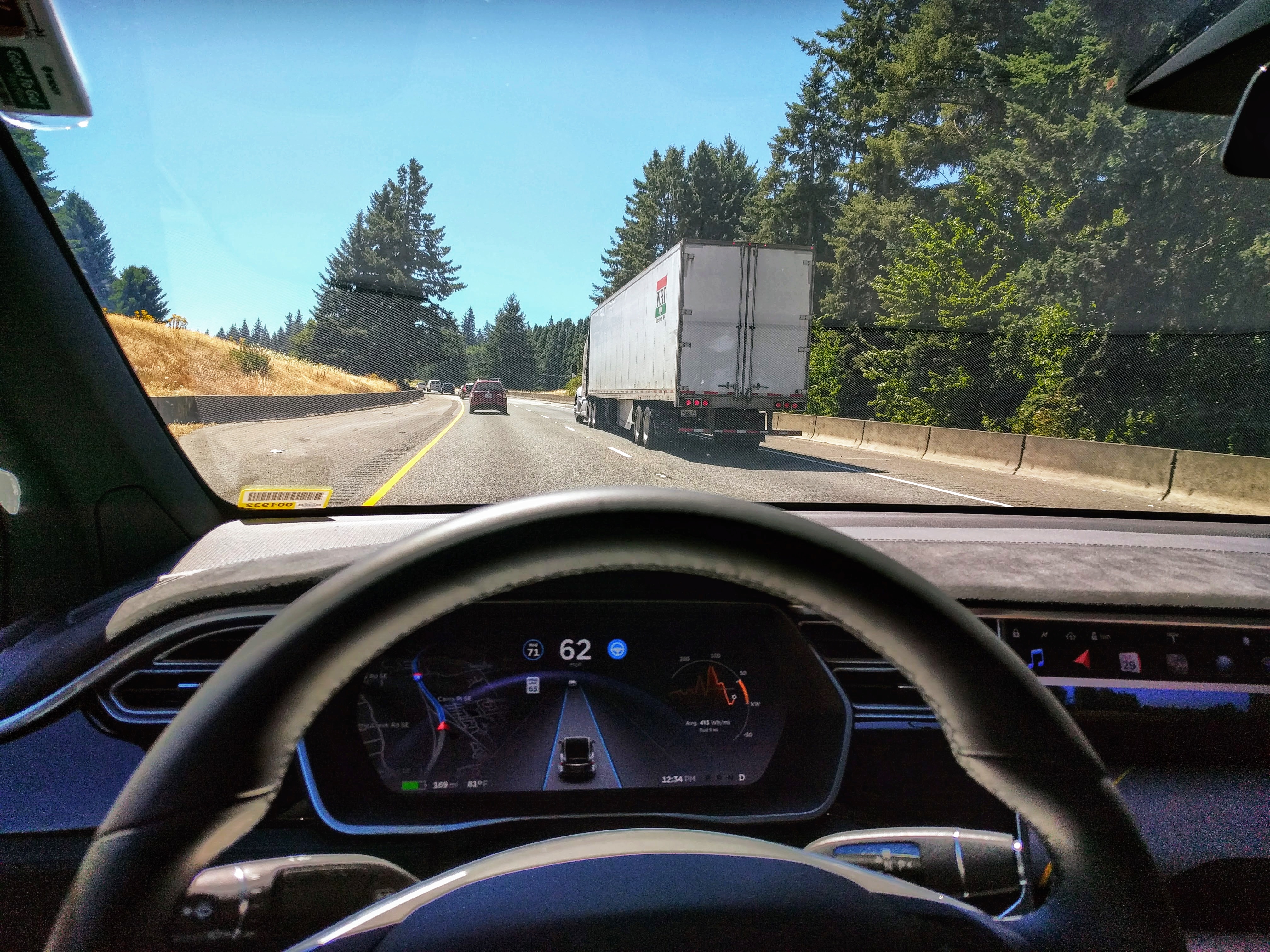
Advanced Driver Assistance Systems (ADAS) are a suite of technologies designed to enhance vehicle safety and driver comfort by automating, adapting, and augmenting the driving experience. Utilizing sensors like cameras, radar, and lidar, ADAS detects potential hazards, provides alerts, and can even intervene by controlling steering, braking, or acceleration. These systems range from basic functions like automatic emergency braking and lane departure warning to more sophisticated features such as adaptive cruise control and lane-keeping assist. As ADAS capabilities expand, they pave the way for higher levels of vehicle autonomy, fundamentally altering the relationship between humans and machines on the road.
🎵 Origins & History
The genesis of driver assistance systems can be traced back to early concepts focusing on rudimentary cruise control systems. However, Bosch was instrumental in developing early ABS and ESC technologies. The proliferation of affordable sensors and powerful microprocessors in the 2010s, driven by advancements in artificial intelligence and computer vision, accelerated the integration and sophistication of these systems across a broader range of vehicles.
⚙️ How It Works
At their core, ADAS rely on a network of sensors to perceive the vehicle's surroundings and internal state. Cameras provide visual data, radar systems detect objects and their velocity, and lidar offers precise distance measurements. Ultrasonic sensors are typically used for short-range detection, such as in parking assist systems. This raw sensor data is processed by sophisticated algorithms, often employing machine learning and deep learning models, to identify objects, predict their behavior, and assess potential risks. Based on this analysis, the system can then issue alerts to the driver via visual, auditory, or haptic feedback, or directly control vehicle actuators for steering, braking, or acceleration. For instance, a forward collision warning system uses radar and cameras to detect an impending collision and alerts the driver, while automatic emergency braking (AEB) will automatically apply the brakes if the driver fails to respond.
📊 Key Facts & Numbers
The ADAS market is experiencing significant growth. Currently, ADAS features are widely available, with Automatic Emergency Braking (AEB) and Lane Keeping Assist (LKA) systems becoming increasingly common. The average number of ADAS features per vehicle has also risen dramatically. These systems are credited with improving safety in vehicles equipped with them, according to studies by the NHTSA.
👥 Key People & Organizations
Numerous individuals and organizations have been pivotal in the development and deployment of ADAS. Robert Bosch GmbH has been a consistent innovator, supplying critical components and systems to virtually every major automaker. Continental AG and ZF Friedrichshafen AG are also major Tier 1 suppliers, driving advancements in sensor technology and integrated systems. On the automotive side, companies like Tesla, Inc. have pushed the boundaries with their Autopilot and Full Self-Driving (FSD) capabilities, sparking both admiration and controversy. Mercedes-Benz was among the first to introduce advanced adaptive cruise control and lane-keeping features. Regulatory bodies like the NHTSA in the US and the Euro NCAP in Europe play a crucial role in setting safety standards and rating the effectiveness of ADAS features, influencing consumer choices and manufacturer development.
🌍 Cultural Impact & Influence
ADAS has profoundly reshaped automotive culture and consumer expectations. The promise of enhanced safety has become a major selling point, with consumers increasingly prioritizing vehicles equipped with these technologies. Features that were once exclusive to luxury vehicles, like blind spot monitoring and rear cross-traffic alert, are now commonplace in mainstream models. This shift has also influenced the perception of driving itself, moving from a purely manual task to one where human and machine collaborate. The development of ADAS has also fueled the broader conversation around autonomous vehicles, with many consumers experiencing a taste of automated driving through these advanced systems. The cultural impact is evident in media portrayals and public discourse, which increasingly grapple with the implications of intelligent vehicles on society.
⚡ Current State & Latest Developments
The current landscape of ADAS is characterized by rapid iteration and increasing sophistication. Automakers are continuously integrating more advanced features, moving towards what is often termed Level 2 and Level 3 autonomy, where the vehicle can handle most driving tasks under specific conditions. Over-the-air (OTA) software updates, pioneered by companies like Tesla, are now becoming standard, allowing manufacturers to improve ADAS performance and add new functionalities remotely. The integration of Vehicle-to-Everything (V2X) communication is also gaining traction, enabling vehicles to communicate with other vehicles, infrastructure, and pedestrians, further enhancing situational awareness. The development of more robust sensor fusion techniques, combining data from multiple sensor types, is critical for improving reliability in diverse weather and lighting conditions.
🤔 Controversies & Debates
ADAS is not without its controversies and debates. A primary concern revolves around driver over-reliance and complacency, where drivers may become inattentive, assuming the system will handle all situations, leading to accidents when the system reaches its operational limits. The naming conventions used by manufacturers, such as Tesla's 'Autopilot' and 'Full Self-Driving,' have drawn criticism for potentially misleading consumers about the systems' capabilities, leading to regulatory scrutiny from bodies like the NHTSA. Ethical dilemmas also arise, particularly in unavoidable accident scenarios, concerning how ADAS algorithms should be programmed to prioritize safety outcomes – a concept often discussed through the lens of the trolley problem. Furthermore, the cybersecurity of ADAS is a critical concern, as vulnerabilities could allow malicious actors to remotely control vehicle functions, posing significant safety risks. The cost of these advanced systems also raises equity concerns, as they are often more prevalent in higher-priced vehicles, potentially creating a safety divide.
🔮 Future Outlook & Predictions
The future of ADAS points towards increasingly integrated and capable systems, blurring the lines between assistance and full autonomy. We can expect a significant expansion of SAE Level 3 systems, allowing drivers to disengage under certain highway conditions, with vehicles capable of handling complex driving scenarios. The widespread adoption of V2X technology will enable vehicles to 'see' around corners and anticipate hazards far beyond the range of current sensors. Advancements in AI and edge computing will allow for more sophisticated real-time decision-making within the vehicle itself.
Key Facts
- Category
- technology
- Type
- topic