
Contents
Overview
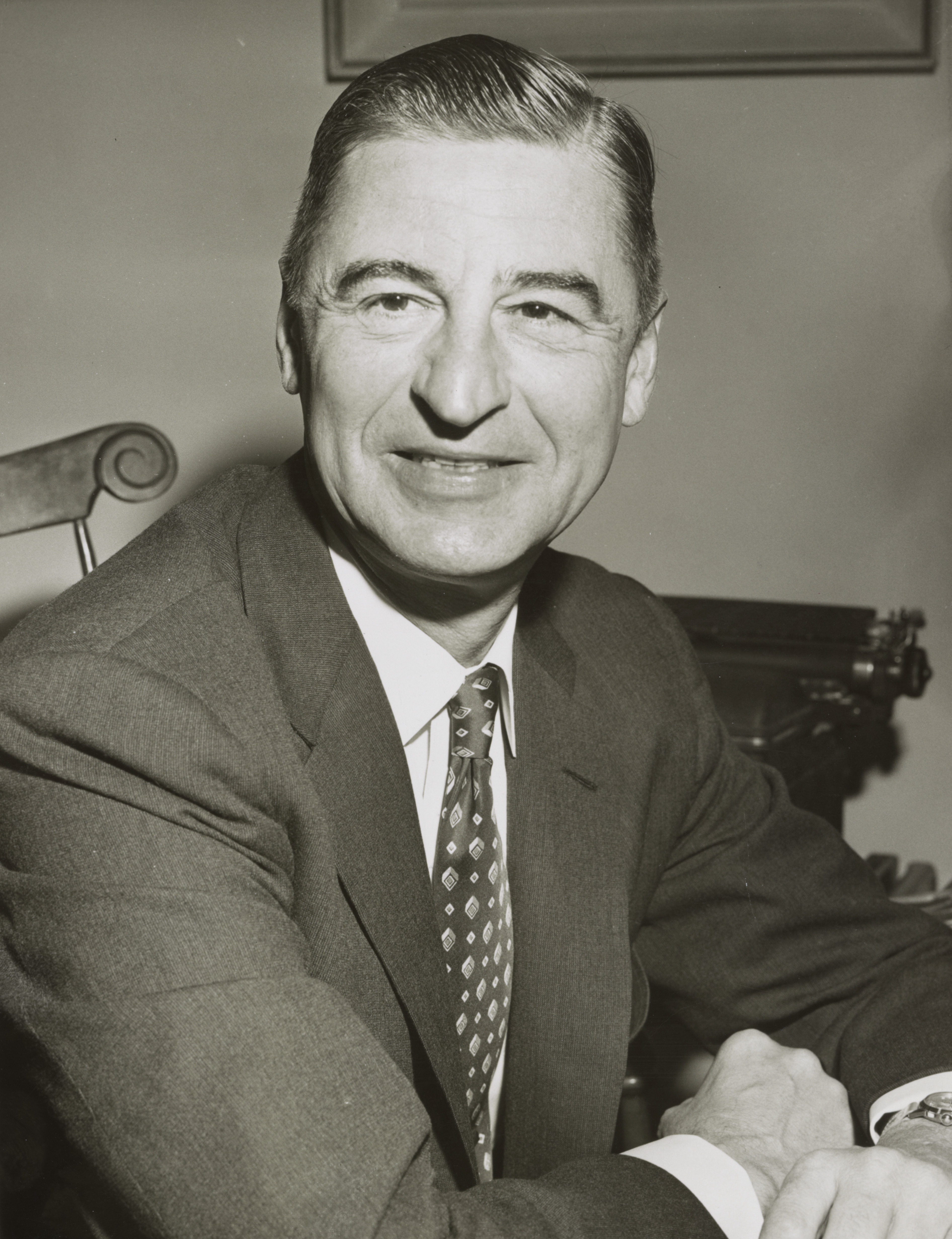
Theodor Seuss Geisel, born March 2, 1904, in Springfield, Massachusetts, adopted the moniker 'Dr. Seuss' during his undergraduate years at Dartmouth College. After a brief stint at Lincoln College, Oxford, where he pursued a degree in literature, Geisel returned to the United States in 1927 to launch his career. He initially found work as an illustrator and cartoonist for prominent publications like Vanity Fair and Life Magazine, honing his unique visual style. His early commercial success came from advertising campaigns, notably for Flit insecticide, which famously used the slogan 'Quick, Henry, the Flit!' His foray into children's books began in earnest with the publication of 'And to Think That I Saw It on Mulberry Street' in 1937, a book initially rejected by 27 publishers. During World War II, Geisel contributed to the war effort by creating political cartoons for the New York newspaper PM and animating propaganda films for the U.S. Army, earning him the Legion of Merit.
⚙️ How It Works
Dr. Seuss's creative engine operated on a unique blend of linguistic innovation and visual absurdity. His writing is characterized by anapestic tetrameter, a rhythmic pattern that gives his stories a distinctive, bouncy cadence, making them highly memorable and enjoyable for young readers. He masterfully employed neologisms – invented words like 'Grickle-grass' and 'Zizzer-Zazzer-Zuzz' – to expand the imaginative possibilities of language. Visually, his illustrations are instantly recognizable: whimsical creatures, gravity-defying architecture, and bold, often primary colors define his fantastical worlds. This synergy of sound and sight created immersive experiences that captivated children and adults alike. The underlying 'how' of his success lies in his ability to tackle complex themes—environmentalism, anti-authoritarianism, empathy—through deceptively simple narratives, making profound ideas accessible and engaging for a young audience.
📊 Key Facts & Numbers
By the time of his death on September 24, 1991, Dr. Seuss's books had achieved staggering global reach. His most famous work, 'Green Eggs and Ham,' reportedly written using only 50 different words, has sold over 8 million copies in the United States alone. 'The Cat in the Hat,' published in 1957, sold over 15 million copies, becoming a cornerstone of the Beginner Books imprint he co-founded. His bibliography includes 62 published books, many of which consistently rank on bestseller lists decades after their initial release. The Dr. Seuss Enterprises, the company managing his legacy, reported revenues exceeding $33 million in 2019, underscoring the enduring commercial power of his creations. His star on the Hollywood Walk of Fame was dedicated in 2004, commemorating his significant cultural impact.
👥 Key People & Organizations
Theodor Seuss Geisel's professional life was marked by key collaborations and enduring relationships. His first wife, Helen Palmer Geisel, was also a writer and a significant influence on his early work. After her death, he married Audrey Dimond, who played a crucial role in managing his literary estate. His editor, Bennett Cerf, co-founder of Random House, was instrumental in publishing many of his seminal works, including the groundbreaking 'The Cat in the Hat.' Philip D. Eastman and P. D. Eastman, fellow authors and illustrators associated with Random House's Beginner Books imprint, shared a similar pedagogical approach to children's literature. Dr. Seuss Enterprises, L.P. was established to manage and protect his intellectual property, ensuring the continued dissemination of his works and brand.
🌍 Cultural Impact & Influence
Dr. Seuss's influence on children's literature and culture is immeasurable. His innovative approach to language and illustration fundamentally altered the landscape of early reading education, making the process more engaging and less intimidating for millions of children. Books like 'The Cat in the Hat' were specifically designed to address concerns about declining reading skills, as highlighted in a 1955 Life Magazine article. His characters and stories have been adapted into numerous animated specials, feature films, and stage productions, including the beloved 1966 animated TV special of 'How the Grinch Stole Christmas!' and the live-action 2003 film adaptation of 'The Cat in the Hat.' His work has inspired countless other authors and artists, and his distinctive style remains a benchmark for imaginative storytelling. The Pulitzer Prize committee recognized his lifetime achievement with a special citation in 2018, acknowledging his profound impact on American culture.
⚡ Current State & Latest Developments
The legacy of Dr. Seuss continues to evolve in the 21st century, navigating both enduring popularity and contemporary scrutiny. In 2021, Dr. Seuss Enterprises announced it would cease publishing six of his books—'And to Think That I Saw It on Mulberry Street,' 'If I Ran the Zoo,' 'McElligot's Pool,' 'On Beyond Zebra!,' 'Scrambled Eggs Super!,' and 'The Cat's Quizzer'—due to racist and insensitive imagery. This decision sparked widespread debate about historical context versus modern sensibilities. Despite these retractions, many of his core works remain immensely popular, with new adaptations and merchandise continually being developed. The Universal Studios Hollywood theme park features a 'Seuss Landing' area, and ongoing discussions about educational curricula frequently reference his foundational role in early literacy. The ongoing adaptation of his stories into new media formats, such as the upcoming Netflix series based on 'The Cat in the Hat,' indicates a continued effort to engage new generations.
🤔 Controversies & Debates
The most significant controversy surrounding Dr. Seuss centers on accusations of racial insensitivity and stereotyping in some of his earlier works. Critiques, notably amplified by scholars like Claudia Rowe and Philip Nel, point to depictions of Black and Asian characters in books like 'And to Think That I Saw It on Mulberry Street' and 'If I Ran the Zoo' as perpetuating harmful stereotypes. The decision by Dr. Seuss Enterprises in 2021 to halt publication of six titles was a direct response to these criticisms, acknowledging that 'some of those books portray people in ways that are hurtful and wrong.' This move ignited a fierce debate, with some defending the works as products of their time and others arguing for the necessity of confronting and removing problematic content from children's literature. The controversy highlights the ongoing tension between preserving artistic legacy and aligning with evolving social values.
🔮 Future Outlook & Predictions
The future of Dr. Seuss's literary empire hinges on its ability to balance its cherished past with the demands of a more socially conscious present. Dr. Seuss Enterprises faces the ongoing challenge of curating a legacy that is both commercially viable and ethically sound. Future adaptations will likely undergo increased scrutiny, demanding careful consideration of representation and cultural sensitivity. There's potential for new scholarship to re-examine his oeuvre, perhaps focusing on the progressive elements within his work, such as his environmentalist themes in 'The Lorax' or his critiques of conformity. The continued success of his core titles suggests a lasting appeal, but the brand's longevity will depend on its capacity for thoughtful evolution and its willingness to engage with difficult conversations about representation in children's media, potentially influencing how other classic children's authors are re-evaluated.
💡 Practical Applications
Dr. Seuss's works are foundational tools in early childhood education, particularly for teaching reading. 'The Cat in the Hat' and 'Green Eggs and Ham' are staples in kindergarten classrooms and early literacy programs worldwide, designed to engage reluctant readers with their simple vocabulary a
Key Facts
- Category
- culture
- Type
- topic