
Contents
- 🎧 What to Expect from a DJ Performance
- 📍 Where to Experience Live DJ Sets
- 💰 Budgeting for a DJ Gig
- ⭐ Vibe Check: Ratings & Reviews
- 🎶 Beyond the Booth: Types of DJ Performances
- 💡 Pro Tips for Attending DJ Sets
- 🤝 Connecting with DJs and Promoters
- 🚀 The Future of DJ Performances
- Frequently Asked Questions
- Related Topics
Overview
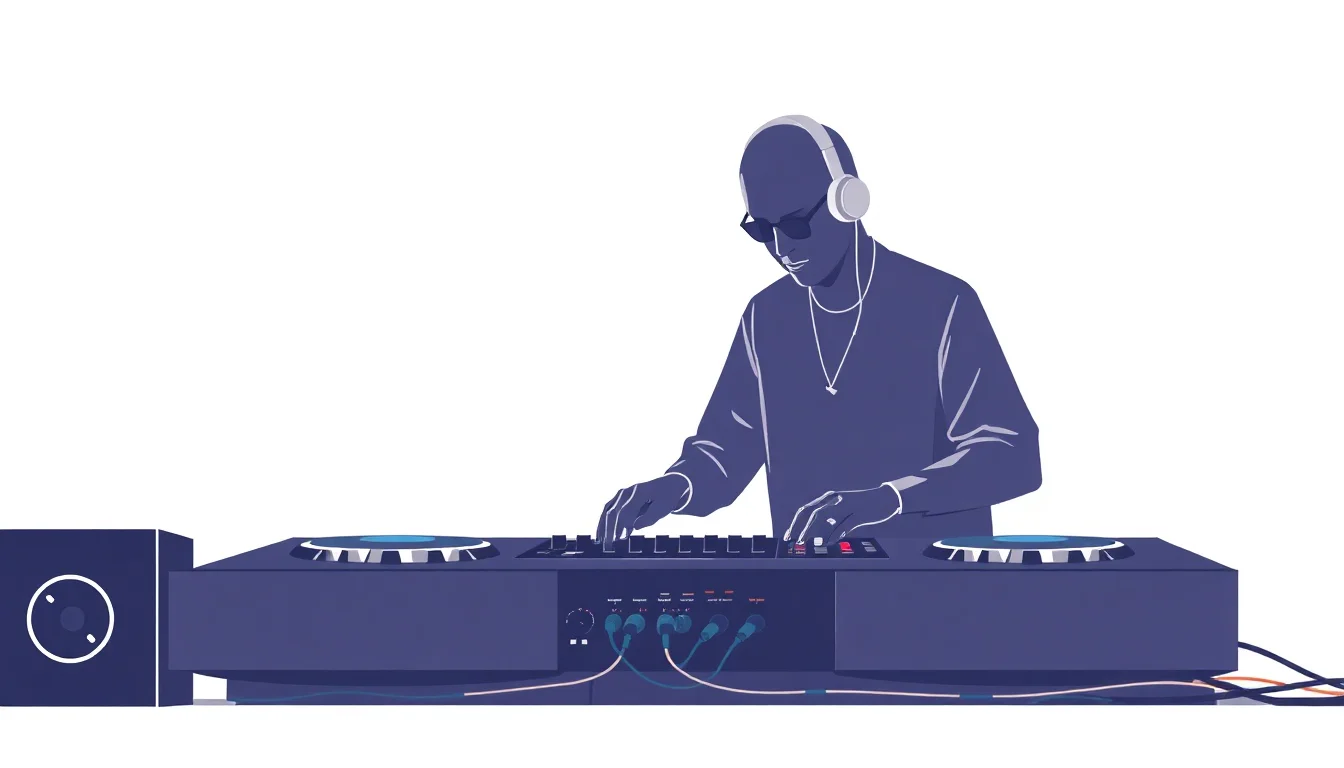
A DJ performance is more than just playing records; it's a curated sonic journey designed to move a crowd. At its core, a DJ selects and plays pre-recorded music, often mixed live using turntables, CDJs, or digital DJ controllers. The goal is to create a seamless flow of music, building energy, evoking emotion, and fostering a shared experience. Whether it's a pulsating techno set in a dimly lit warehouse or a soulful house groove on a sun-drenched beach, the DJ acts as a sonic architect, shaping the atmosphere and dictating the rhythm of the night. Expect a dynamic interplay between the DJ's track selection and the audience's reaction, a feedback loop that defines the magic of live electronic music.
📍 Where to Experience Live DJ Sets
The physical location of a DJ performance dramatically shapes its character. You'll find them in a spectrum of venues, from intimate underground clubs like Berghain in Berlin, known for its marathon techno sessions, to massive festival stages at events like Glastonbury Festival in the UK, hosting global headliners. Beyond traditional clubs, pop-up events in unexpected spaces, rooftop bars offering panoramic city views, and even virtual sets streamed online via platforms like Twitch are increasingly common. Research local listings for venues such as Fabric London or check event aggregators like Resident Advisor for upcoming gigs in your city. Each venue offers a distinct acoustic and social environment that influences the overall vibe.
💰 Budgeting for a DJ Gig
The cost of attending a DJ performance varies wildly, influenced by the DJ's prominence, the venue, and the event's scale. Entry fees for smaller club nights might range from $10-$25, while major festival tickets can run into hundreds of dollars. For private events, hiring a DJ can cost anywhere from $500 for a local emerging artist to $10,000+ for internationally renowned DJs. Consider factors like the duration of the set, the equipment required, and travel expenses if the DJ is not local. Many venues offer tiered ticketing or early bird specials, so planning ahead can save you money. Always check the event's ticketing page for precise pricing and any additional fees.
⭐ Vibe Check: Ratings & Reviews
Understanding the 'vibe' of a DJ performance is crucial, and this is where community feedback shines. Platforms like Resident Advisor and Discogs often feature user reviews and ratings for both DJs and specific events, offering insights into the musical quality, atmosphere, and crowd demographics. Look for discussions on forums or social media groups dedicated to specific genres or artists to gauge general sentiment. A high 'Vibe Score' on Vibepedia might indicate a consistently energetic and well-received performance, while a lower score could signal issues with sound quality, organization, or audience engagement. Pay attention to recurring comments about the DJ's technical skill, track selection, and ability to connect with the audience.
🎶 Beyond the Booth: Types of DJ Performances
DJ performances aren't monolithic; they span a diverse range of styles and formats. You have the classic club sets, often lasting several hours, where DJs meticulously craft a journey through a genre like house, techno, or disco. Then there are festival sets, typically shorter and more high-energy, designed to captivate large audiences. Live PAs (Performance Artistes) integrate vocals or live instrumentation with DJ sets, blurring the lines between DJing and live band performance. Boiler Room sessions, known for their intimate, raw, and often unannounced settings, offer a unique, close-up view of the DJ's craft. Each format caters to different listening experiences and audience expectations, from the deep immersion of a club night to the explosive energy of a festival main stage.
💡 Pro Tips for Attending DJ Sets
To maximize your enjoyment of a DJ performance, a little preparation goes a long way. Arrive early to soak in the atmosphere and catch the opening sets, which often set the tone. Familiarize yourself with the headlining DJ's discography or past sets on platforms like SoundCloud to anticipate their style. Dress comfortably and appropriately for the venue and crowd – think less about fashion, more about being able to move. Stay hydrated, especially at longer events, and be mindful of your surroundings. Most importantly, surrender to the music and the collective energy of the room; the best DJ sets are experienced with an open mind and a willingness to dance.
🤝 Connecting with DJs and Promoters
Building connections within the DJ scene can open doors to exclusive events and opportunities. Follow your favorite DJs and promoters on social media platforms like Instagram and X to stay updated on their schedules and announcements. Engage respectfully in online communities and at events – complimenting a DJ on a track they played or striking up a conversation with a promoter can be a starting point. For aspiring DJs, networking with established artists and event organizers is crucial for gaining experience and exposure. Many DJs also host Q&A sessions or workshops, providing direct access to learn about their craft and the industry.
🚀 The Future of DJ Performances
The evolution of DJ performances is intrinsically linked to technological advancements and shifting cultural trends. We're seeing a rise in AI-assisted DJing tools, which raise questions about the role of human curation and creativity. The integration of visual elements, such as elaborate stage productions and synchronized lighting, is becoming increasingly sophisticated, transforming sets into multi-sensory experiences. Furthermore, the global reach of streaming platforms continues to democratize access, allowing DJs to build international followings without traditional gatekeepers. The challenge ahead lies in balancing innovation with authenticity, ensuring that technology enhances, rather than overshadows, the fundamental human connection forged on the dancefloor. Will the DJ remain a solitary selector, or evolve into a conductor of a larger, more complex artistic production?
Key Facts
- Year
- 2023
- Origin
- Emerging from disco and hip-hop in the late 1970s
- Category
- Music & Entertainment
- Type
- Cultural Phenomenon
Frequently Asked Questions
What's the difference between a DJ and a producer?
A DJ primarily focuses on selecting and mixing pre-recorded music to create a live listening experience for an audience. A music producer, on the other hand, is involved in the creation and recording of music, often composing, arranging, and engineering tracks. While many DJs are also producers, their roles are distinct. A producer crafts the sound, while a DJ curates and presents it in a live setting, often adding their own interpretation through mixing techniques.
How do I find out who is playing at a club tonight?
Most clubs and venues maintain up-to-date schedules on their official websites and social media channels, particularly Instagram. Event listing platforms like Resident Advisor and Bandsintown are also excellent resources for discovering who's performing in your area. Signing up for venue newsletters can also provide direct notifications about upcoming lineups and special events.
What kind of music can I expect at a DJ performance?
The genre of music depends entirely on the DJ and the event. You might encounter anything from deep house, techno, and trance in dedicated electronic music clubs, to hip-hop, funk, and disco at parties and lounges. Festivals often feature a wider variety, with different stages dedicated to specific genres. It's always best to check the event description or the DJ's profile to get an idea of their musical style.
Is it rude to talk loudly during a DJ set?
Generally, yes, it's considered impolite to talk loudly over the music during a DJ performance, especially in venues where the focus is on the music and dancing. The DJ is carefully crafting a sonic experience, and loud conversations can detract from it for others. If you need to talk, step away from the main dancefloor or find a quieter area of the venue. Respecting the soundscape is part of enjoying the performance.
How long does a typical DJ set last?
Set lengths vary significantly. In a club setting, a resident DJ might play for 2-4 hours, while a headliner could play for 1.5-3 hours. At festivals, sets are often shorter, ranging from 45 minutes to 1.5 hours, to accommodate multiple artists. Some marathon sets, particularly in underground scenes, can last 6 hours or more, allowing the DJ to explore a wider range of musical moods and energies.
What is a 'back-to-back' (B2B) DJ set?
A 'back-to-back' or B2B set involves two or more DJs playing together, typically alternating tracks or even mixing simultaneously. This format requires a high level of communication and chemistry between the DJs, as they build upon each other's selections to create a dynamic and unpredictable musical flow. It's a collaborative performance that often leads to unique sonic combinations and surprises for the audience.