
Contents
Overview
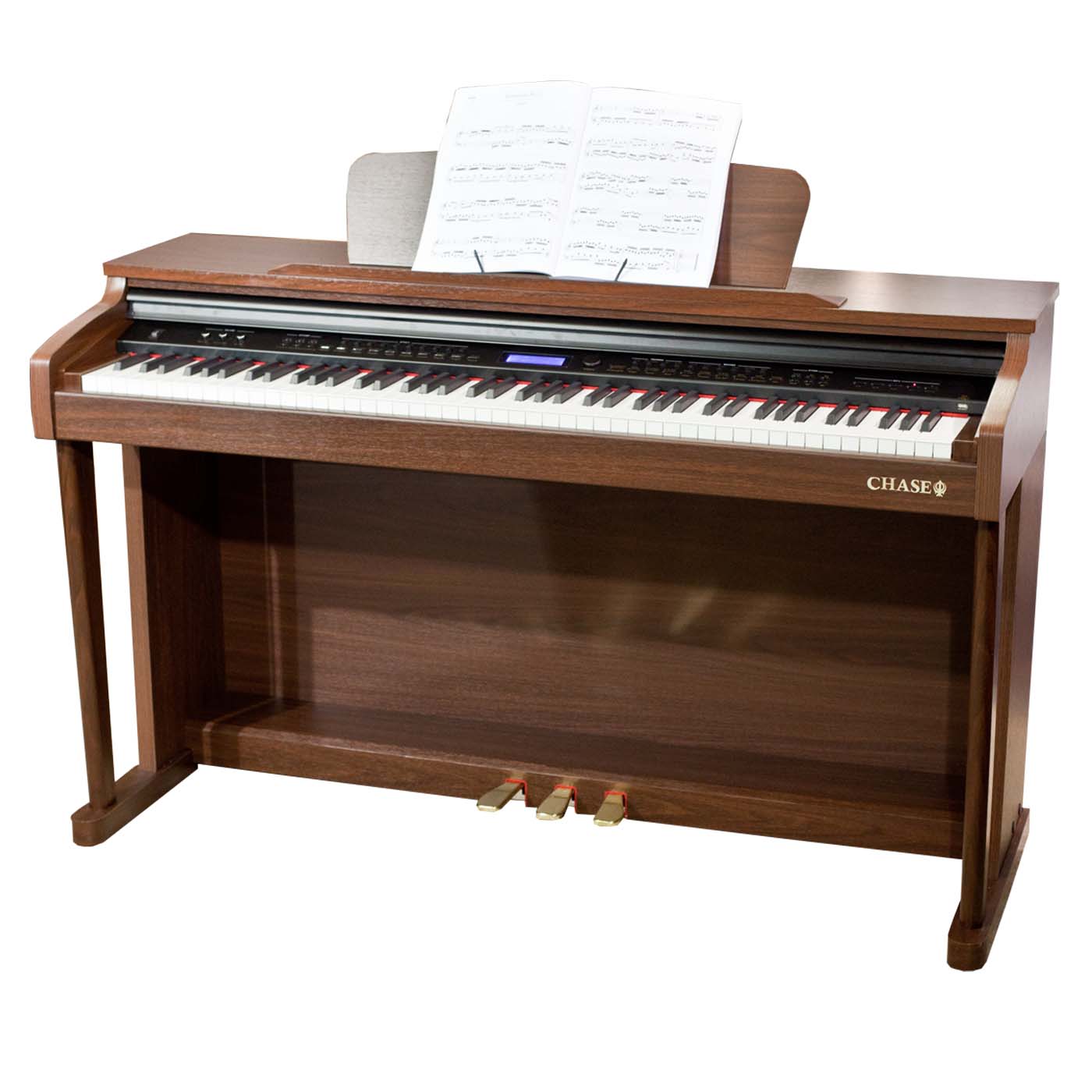
Digital pianos are electronic musical instruments meticulously engineered to replicate the tactile feel and sonic character of acoustic pianos. Unlike their acoustic predecessors, these instruments utilize either synthesized sound generation or meticulously recorded samples of real pianos, played back through integrated speakers or external amplification systems. A defining feature is their weighted keys, designed to mimic the resistance and response of hammer action found in traditional pianos. While they may not always achieve the nuanced expressiveness of a finely tuned grand, digital pianos offer significant advantages in portability, affordability, and maintenance, notably eliminating the need for regular tuning. Their versatility extends to features like adjustable tuning, headphone jacks for silent practice, and MIDI connectivity for integration with other digital music production tools, making them a cornerstone of modern musical education and performance.
🎵 Origins & History
The true precursor to the modern digital piano emerged in the late 1970s and early 1980s with the advent of digital sampling technology. Companies like Yamaha and Roland were at the forefront, initially developing electronic keyboards that offered piano-like sounds. The development was fueled by a desire to provide a more accessible and practical alternative to the expensive and maintenance-intensive acoustic piano, particularly for home use and music education.
⚙️ How It Works
At their core, digital pianos operate by translating key presses into sound signals. The most common method involves using sampled sounds – high-quality recordings of acoustic pianos, often from renowned instruments like Steinway or Bösendorfer grand pianos. These samples are triggered by the weighted keys, which are typically equipped with sensors that detect the velocity and depth of the key press. This velocity data informs the playback of the samples, allowing for dynamic variations in volume and tone, crucial for expressive playing. More advanced digital pianos employ sophisticated modeling techniques, such as Physical Modeling Synthesis, to recreate the acoustic properties of a piano in real-time, simulating string vibrations, hammer strikes, and resonance. The output is then processed and sent to internal speakers or an external audio interface, often with features like reverb and chorus effects to enhance the sound.
📊 Key Facts & Numbers
The global digital piano market is a substantial enterprise. This market is segmented, with console digital pianos (designed to look like uprights) accounting for a significant portion of sales, while portable digital pianos make up the remaining portion. Key manufacturers like Yamaha, Roland, and Kawai are major players in the global market. The market sees significant demand from music students, reflecting its role in music education.
👥 Key People & Organizations
Several key figures and organizations have shaped the digital piano landscape. Major manufacturers like Yamaha, Roland, Kawai, and Casio are the primary drivers of innovation and market competition. Industry associations, such as the National Association of Music Merchants (NAMM), provide platforms for showcasing new technologies and fostering industry growth.
🌍 Cultural Impact & Influence
Digital pianos have profoundly impacted music education and accessibility. They have democratized piano playing, making it possible for millions to learn and practice without the significant financial and spatial commitments of an acoustic piano. The ability to practice silently with headphones has been a boon for apartment dwellers and students in shared living spaces, fostering more consistent practice habits. Furthermore, their integration with digital audio workstations (DAWs) like Ableton Live and Logic Pro has made them indispensable tools for music producers, enabling sophisticated composition and arrangement. The visual aesthetic of console digital pianos has also influenced interior design trends in homes, offering a sleek, modern alternative to traditional furniture.
⚡ Current State & Latest Developments
The digital piano market in 2024-2025 is characterized by continuous refinement of sound and feel. Manufacturers are increasingly focusing on advanced modeling technologies that go beyond simple sampling, aiming for even greater realism in touch and tone. Yamaha's CFX Concert Grand samples are benchmark sounds being emulated. There's a growing trend towards hybrid instruments that combine digital sound engines with actual acoustic piano actions, offering the best of both worlds. Connectivity is also expanding, with seamless integration into smart home ecosystems and enhanced Bluetooth capabilities for app control and audio streaming. The rise of direct-to-consumer sales channels is also reshaping the retail landscape, with brands like Korg and Nord leveraging online platforms for wider reach.
🤔 Controversies & Debates
A persistent debate revolves around whether digital pianos can truly replace acoustic pianos. Critics argue that no digital instrument, however sophisticated, can fully replicate the nuanced touch sensitivity, the complex sympathetic resonance, or the unique sonic character of a well-maintained acoustic piano. The tactile feedback of a real hammer striking strings, they contend, is an experience that digital simulations struggle to match. Conversely, proponents highlight the practical advantages – cost, maintenance, portability, and silent practice – as outweighing the subtle sonic differences for many users, especially beginners and intermediate players. The debate often hinges on the user's specific needs, budget, and performance goals, with some professional pianists still preferring acoustic instruments for critical performances, while many others find digital pianos perfectly adequate for practice and even recording.
🔮 Future Outlook & Predictions
The future of digital pianos points towards increasingly sophisticated emulation and integration. Expect further advancements in physical modeling, potentially leading to instruments that can dynamically alter their 'acoustic' characteristics, simulating different piano models or even historical instruments with unprecedented accuracy. The integration of AI could lead to intelligent practice partners that analyze playing and offer feedback, or even generative music features. Hybrid pianos, blending acoustic actions with digital sound engines, are likely to become more prevalent, offering a premium experience. Furthermore, as virtual reality and augmented reality technologies mature, we might see immersive digital piano experiences that combine realistic visuals with tactile feedback, blurring the lines between the physical and digital realms of musical performance.
💡 Practical Applications
Digital pianos find widespread application across various domains. In music education, they are standard equipment in schools, universities, and private studios, facilitating learning for millions of students. For home users, they serve as primary practice instruments, offering a gateway to piano mastery without the drawbacks of acoustic pianos. Professional musicians and composers utilize them in studios for songwriting, recording, and as MIDI controllers for virtual instruments. Live performers often employ portable digital pianos for gigs, benefiting from their reliability and consistent sound. They are also increasingly found in performance venues where acoustic pianos are impractical due to space, weight, or tuning requirements.
Key Facts
- Category
- technology
- Type
- topic