
Contents
- 🔒 Introduction to Digital Ownership
- 💻 How Digital Ownership Works
- 📊 Key Facts and Numbers
- 👥 Key Players and Organizations
- 🌍 Cultural Impact and Influence
- ⚡ Current State and Latest Developments
- 🤔 Controversies and Debates
- 🔮 Future Outlook and Predictions
- 💡 Practical Applications
- 📚 Related Topics and Deeper Reading
- References
Overview
Digital ownership refers to the concept of possessing and controlling digital assets, such as unique identifiers, files, and data. With the rise of blockchain technology and non-fungible tokens (NFTs), digital ownership has become a significant aspect of the digital economy. However, the market for NFTs has been volatile, raising questions about the long-term value and viability of digital ownership. As the concept of digital ownership continues to evolve, it is essential to understand its significance, benefits, and challenges, as well as its potential impact on the future of digital assets and the economy.
🔒 Introduction to Digital Ownership
Digital ownership has its roots in the early days of the internet, when the concept of owning digital assets was first introduced. However, it wasn't until the rise of blockchain technology and NFTs that digital ownership became a significant aspect of the digital economy. NBA Top Shot allows users to buy, sell, and trade unique digital assets related to the NBA.
💻 How Digital Ownership Works
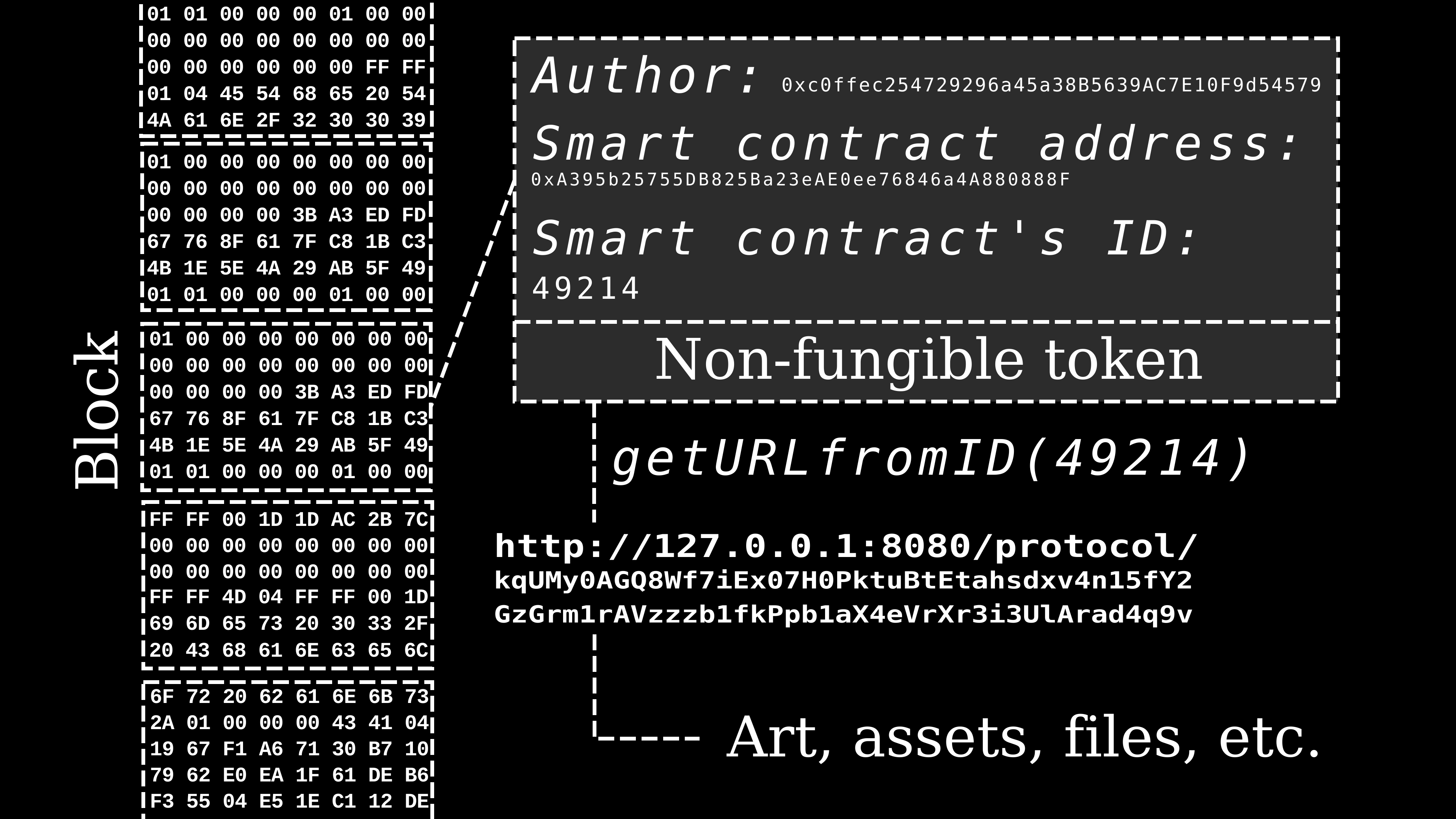
The mechanics of digital ownership are based on the use of blockchain technology and NFTs. NFT marketplaces provide platforms for buying, selling, and trading NFTs. These marketplaces use smart contracts to facilitate transactions and ensure the ownership and authenticity of digital assets.
📊 Key Facts and Numbers
The concept of digital ownership continues to evolve, with new use cases and applications emerging. The use of blockchain technology and NFTs has also enabled the creation of new business models, such as play-to-earn gaming and decentralized finance.
👥 Key Players and Organizations
Key players and organizations in the digital ownership space include NFT marketplaces, as well as blockchain technology companies. Artists and creators have also been instrumental in promoting the concept of digital ownership.
🌍 Cultural Impact and Influence
The cultural impact of digital ownership has been significant, with the concept of owning unique digital assets becoming a status symbol in some circles. The use of NFTs has also enabled the creation of new forms of art and entertainment, such as digital art and virtual reality experiences.
⚡ Current State and Latest Developments
The current state of digital ownership is one of flux, with the market for NFTs still recovering. However, new use cases and applications are emerging, such as the use of NFTs in gaming and decentralized finance.
🤔 Controversies and Debates
The concept of digital ownership has been the subject of controversy and debate, with some arguing that it is a new form of ownership and others arguing that it is a form of speculation. The use of NFTs has also raised concerns about the ownership and control of digital assets, as well as the potential for market manipulation and volatility.
🔮 Future Outlook and Predictions
The future of digital ownership is uncertain, but it is likely that the concept will continue to evolve and expand into new areas. The use of blockchain technology and NFTs is expected to become more widespread, enabling new use cases and applications.
💡 Practical Applications
The practical applications of digital ownership are numerous, with the concept being used in a variety of industries and sectors. For example, NFT marketplaces provide platforms for buying, selling, and trading NFTs. The use of blockchain technology and NFTs has also enabled the creation of new business models, such as play-to-earn gaming and decentralized finance.
Key Facts
- Category
- technology
- Type
- concept