
Contents
Overview
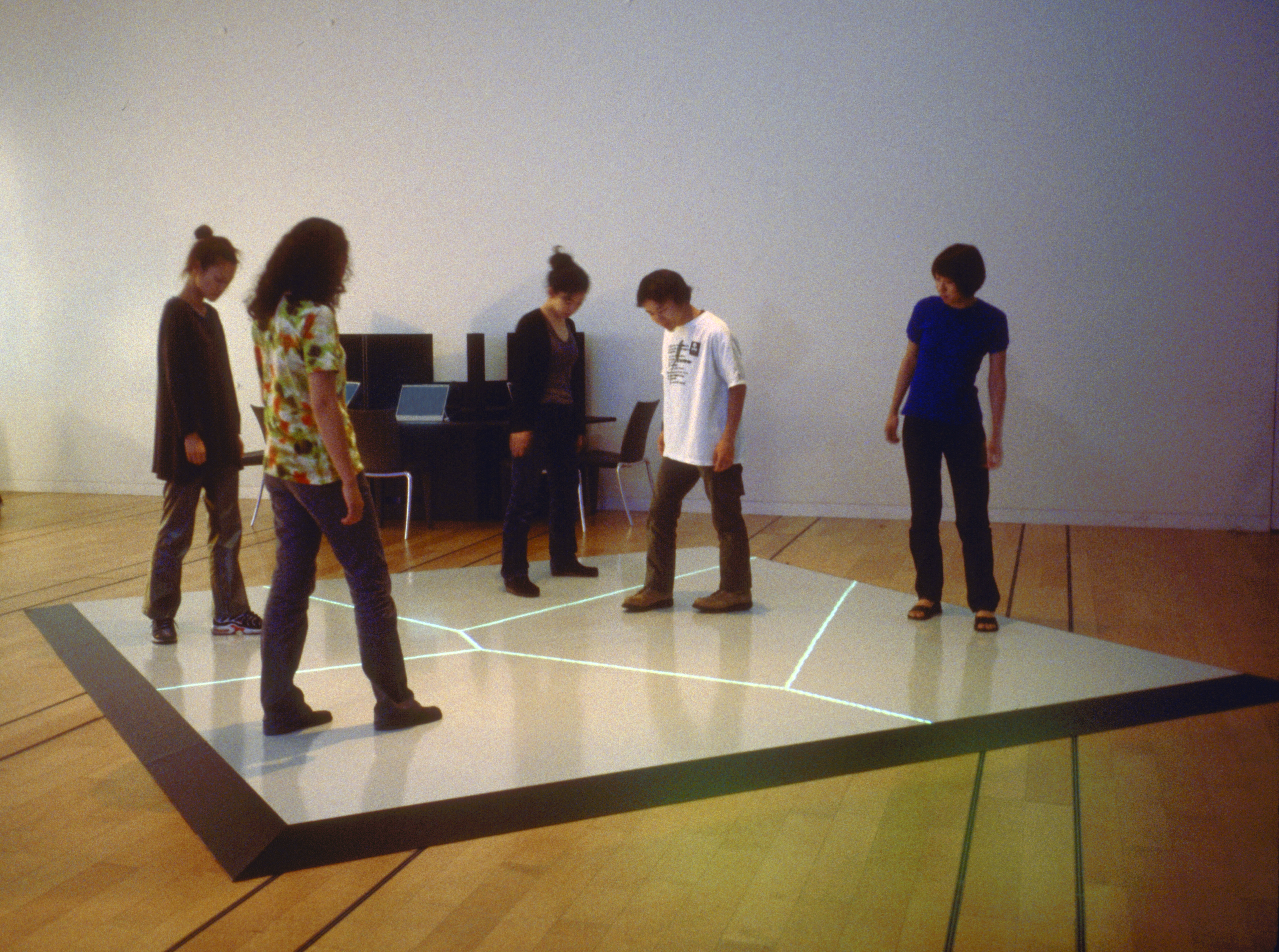
Digital artists are creators who employ digital technologies as their primary medium or tool in the artistic process. This expansive field encompasses a vast spectrum of practices, from digital painting and illustration to generative art, virtual reality experiences, and interactive installations. Emerging from the early experiments with computer graphics in the mid-20th century, digital art has evolved into a dominant force in contemporary visual culture, challenging traditional notions of authorship, materiality, and exhibition. With the proliferation of accessible software and hardware, the barrier to entry has lowered, leading to an explosion of diverse artistic voices and styles. Digital artists today navigate a complex ecosystem of online platforms, galleries, and the burgeoning metaverse, constantly pushing the boundaries of what art can be and how it can be experienced.
🎵 Origins & History
The development of more user-friendly software and hardware in the following decades democratized the tools of creation. Artists like David Salle and Robert Rauschenberg began incorporating photographic and digital elements into their work, blurring the lines between traditional and new media. The rise of the internet in the 1990s further accelerated this evolution, enabling the global dissemination and exhibition of digital artworks through online galleries and platforms like DeviantArt.
⚙️ How It Works
At its core, digital art creation involves the manipulation of digital data to produce visual, auditory, or interactive experiences. This can range from using Adobe Photoshop or Procreate for digital painting and illustration, to employing programming languages like Processing or Python for generative art, where algorithms dictate the artwork's form. 3D modeling software such as Blender and Maya are crucial for creating virtual environments and characters, often utilized in animation, virtual reality, and game design. Interactive installations leverage sensors, microcontrollers (like Arduino), and custom software to respond to audience input, creating dynamic and evolving artworks. The final output can exist purely in the digital realm, displayed on screens or projected, or be translated into physical forms through 3D printing or other fabrication methods.
📊 Key Facts & Numbers
The digital art market is experiencing significant growth. The NFT market, while volatile, has seen digital artworks fetch record-breaking prices. Over 50 million artists worldwide are estimated to be actively creating and sharing digital art on platforms like Instagram and ArtStation. The animation industry alone, a significant consumer of digital art skills, generated over $260 billion globally in 2023. Furthermore, the use of AI in art generation tools like Midjourney and DALL-E 2 has surged, with millions of images generated daily.
👥 Key People & Organizations
Key figures in the digital art landscape are diverse and span various disciplines. Refik Anadol is renowned for his large-scale data-driven installations that transform public spaces into immersive visual experiences. Hannah Wilke was an early pioneer exploring digital media in performance and sculpture in the late 20th century. Ryoji Ikeda creates complex, data-driven audiovisual works that push the boundaries of perception. Organizations like the Rhizome platform champion digital art and new media, while institutions such as the Museum of Modern Art (MoMA) are increasingly acquiring and exhibiting digital artworks. The Google Arts & Culture platform also plays a significant role in digitizing and showcasing art from around the globe, making it accessible to millions.
🌍 Cultural Impact & Influence
Digital art has profoundly reshaped contemporary culture, influencing everything from graphic design and advertising to film, fashion, and music. The aesthetic sensibilities developed through digital tools have permeated mainstream visual culture, making glitch art, pixel art, and surreal digital collages recognizable tropes. Platforms like YouTube and TikTok have become vital spaces for digital artists to share their work, build communities, and gain recognition, often bypassing traditional art world gatekeepers. The interactive nature of much digital art has also fostered new forms of audience engagement, moving beyond passive observation to active participation. The accessibility of digital tools has empowered a new generation of artists to express themselves and challenge established artistic norms, leading to a more democratized and diverse art world.
⚡ Current State & Latest Developments
The current landscape of digital art is characterized by rapid innovation and the increasing integration of emerging technologies. Generative AI art tools, such as Stable Diffusion and Midjourney, have exploded in popularity, sparking both excitement and debate about authorship and creativity. Virtual and augmented reality (VR/AR) are opening up new frontiers for immersive digital art experiences, with artists creating virtual galleries and interactive worlds within platforms like VRChat. The concept of the metaverse is driving demand for digital assets and virtual real estate, creating new avenues for digital artists to monetize their work. Furthermore, advancements in real-time rendering engines and interactive storytelling are pushing the boundaries of what's possible in digital animation and experiential art.
🤔 Controversies & Debates
The rise of digital art is not without its controversies. The environmental impact of NFTs, particularly those built on proof-of-work blockchains like Ethereum (prior to its merge), has drawn significant criticism due to their high energy consumption. Debates surrounding copyright and ownership are rampant, especially with the proliferation of AI-generated art, raising questions about who truly owns an artwork created by an algorithm. The accessibility of digital tools also leads to discussions about the devaluation of artistic labor, with some arguing that the ease of reproduction and distribution diminishes the perceived value of digital creations. Furthermore, the digital divide means that access to the tools and platforms necessary for creating and experiencing high-level digital art remains unevenly distributed globally.
🔮 Future Outlook & Predictions
The future of digital art appears inextricably linked to technological advancement. Expect a continued surge in AI-assisted creation, with tools becoming more sophisticated and integrated into artists' workflows, potentially leading to entirely new art forms. The metaverse will likely evolve into a significant exhibition space and marketplace for digital artists, offering immersive and interactive experiences that transcend physical limitations. VR and AR technologies will become more mainstream, enabling artists to craft deeply engaging and personalized artistic encounters. We may also see a greater convergence of digital and physical art, with advanced fabrication techniques and augmented reality overlays bridging the gap between the virtual and tangible worlds. The definition of 'artist' itself may continue to expand, encompassing those who curate, code, and design experiences as much as those who draw or paint.
💡 Practical Applications
Digital art finds practical applications across numerous industries beyond the traditional art world. In the entertainment sector, digital artists are indispensable for creating visual effects (VFX) in films and television, character design for video games, and animation for various media. Architects and designers use digital modeling and rendering tools to visualize and present their projects. The advertising and marketing industries rely heavily on digital illustrators and graphic designers to create compelling visual content. Furthermore, digital art is increasingly used in education for creating engaging learning materials and in therapy for its potential to aid in emotional expression and processing. The development of virtual reality experiences also opens doors for therapeutic applications and immersive training simulations.
Key Facts
- Category
- culture
- Type
- topic