
Contents
Overview
Virchow's work on pathology established the basis for understanding clot formation. Virchow's triad involves venous stasis, endothelial injury, and hypercoagulability. Factor V Leiden is a genetic mutation that increases hypercoagulability. The American Society of Hematology is a key organization in patient advocacy and education for DVT. The National Blood Clot Alliance is involved in patient advocacy and education for DVT. Bayer AG has been instrumental in developing and distributing anticoagulant medications. Pfizer Inc. has been instrumental in developing and distributing anticoagulant medications. GE Healthcare provides essential imaging technologies for DVT diagnosis.
⚙️ How It Works
DVT arises when blood flow in the deep veins becomes sluggish or stagnant, or when the vein walls are damaged, creating an environment conducive to clot formation. This process, known as Virchow's triad, involves three primary factors: venous stasis (slow blood flow), endothelial injury (damage to the vein lining), and hypercoagulability (an increased tendency for blood to clot). Conditions like prolonged immobility, such as during long flights or bed rest after surgery, lead to venous stasis. Trauma, surgery, or inflammation can cause endothelial injury. Inherited or acquired conditions, like certain cancers or genetic mutations such as Factor V Leiden, increase hypercoagulability. Once a clot forms, it can impede blood return to the heart, causing swelling and pain, and critically, can dislodge to travel to the lungs.
📊 Key Facts & Numbers
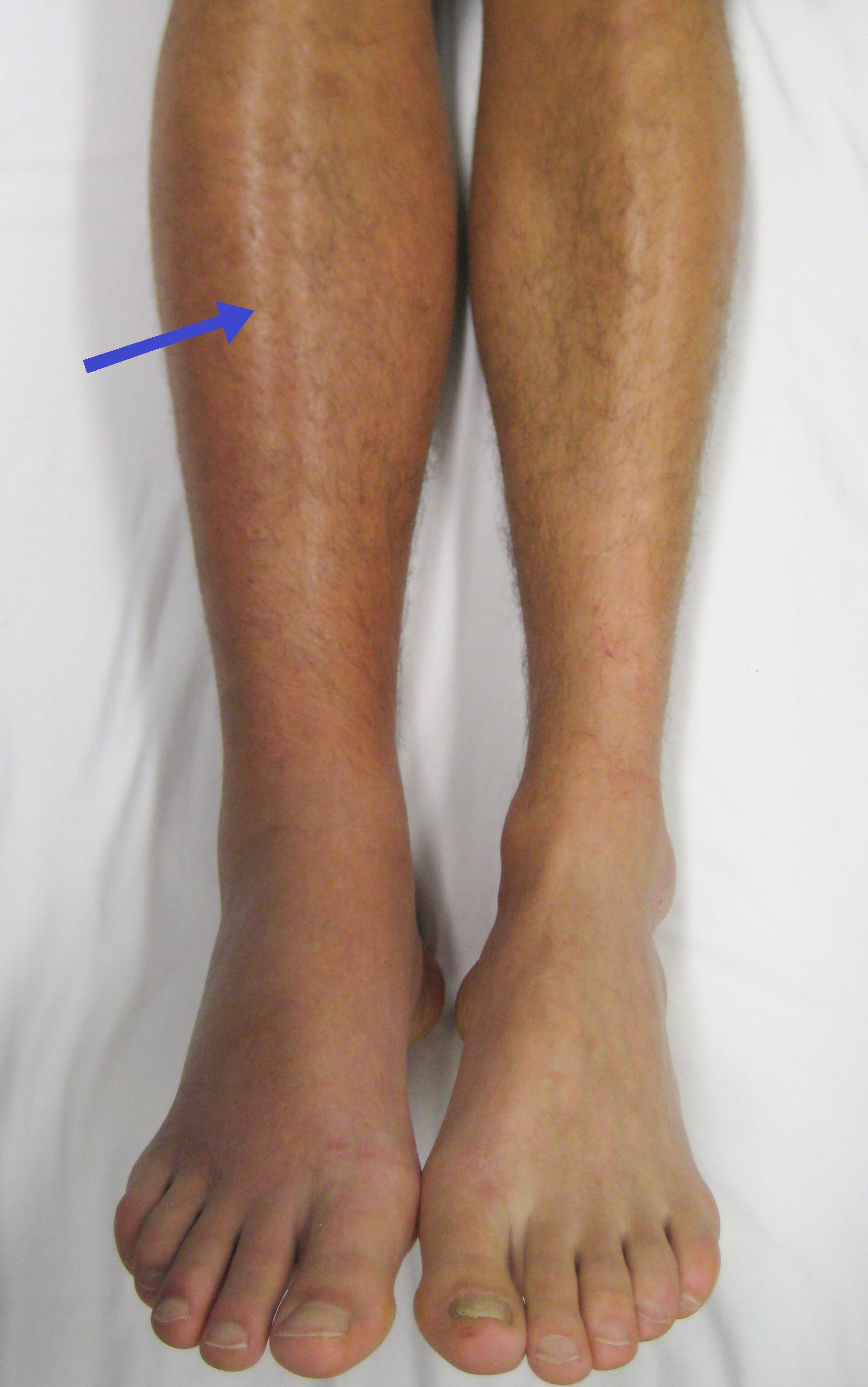
The phrase 'economy class syndrome' became a common cultural shorthand for DVT risk associated with long-haul flights, raising public awareness, albeit sometimes with oversimplification. Public health campaigns, often spearheaded by patient advocacy groups like the National Blood Clot Alliance, have worked to demystify DVT and PE, encouraging prompt medical attention and emphasizing risk factor awareness. The visual representation of swollen, discolored limbs in media often serves as a stark reminder of the condition's visible manifestations.
👥 Key People & Organizations
Key figures in understanding and treating DVT include Rudolf Virchow, whose 19th-century work on pathology established the basis for understanding clot formation. More recently, researchers like Samir Khandekar have contributed to understanding the genetic predispositions to VTE. Major organizations such as the American Society of Hematology and the National Blood Clot Alliance play critical roles in patient advocacy, education, and promoting research. Pharmaceutical giants like Bayer AG and Pfizer Inc. have been instrumental in developing and distributing anticoagulant medications, while diagnostic companies like GE Healthcare provide essential imaging technologies.
🌍 Cultural Impact & Influence
DVT has permeated popular culture, often serving as a plot device in medical dramas and thrillers, highlighting its dramatic potential for sudden, life-threatening complications. The phrase 'economy class syndrome' became a common cultural shorthand for DVT risk associated with long-haul flights, raising public awareness, albeit sometimes with oversimplification. Public health campaigns, often spearheaded by patient advocacy groups like the National Blood Clot Alliance, have worked to demystify DVT and PE, encouraging prompt medical attention and emphasizing risk factor awareness. The visual representation of swollen, discolored limbs in media often serves as a stark reminder of the condition's visible manifestations.
⚡ Current State & Latest Developments
Current research is intensely focused on refining risk stratification and developing more personalized prophylactic and therapeutic strategies. The development of Direct Oral Anticoagulants (DOACs), such as rivaroxaban (Xarelto) and apixaban (Eliquis), has revolutionized treatment by offering more convenient dosing and fewer monitoring requirements compared to older anticoagulants like warfarin. Advances in ultrasound technology continue to improve diagnostic accuracy, while novel imaging techniques are being explored. Furthermore, ongoing clinical trials, such as those investigating new thrombectomy devices and extended prophylaxis regimens, aim to reduce long-term complications like post-thrombotic syndrome and recurrence rates.
🤔 Controversies & Debates
A significant debate revolves around the optimal duration of anticoagulant therapy for DVT. While guidelines from organizations like the American College of Chest Physicians provide recommendations, individual patient factors, risk of recurrence versus bleeding, and patient preference create a complex decision-making landscape. Another area of contention is the management of asymptomatic DVTs discovered incidentally; the decision to treat often involves weighing the risk of PE against the risk of bleeding from anticoagulation. The effectiveness and safety of Inferior Vena Cava (IVC) filters in specific patient populations also remain subjects of ongoing discussion and research, with concerns about their long-term complication rates.
🔮 Future Outlook & Predictions
The future of DVT management likely lies in even more precise risk prediction, potentially utilizing genetic markers and advanced AI algorithms to tailor prophylaxis and treatment. The development of novel anticoagulant agents with even better safety profiles and targeted delivery mechanisms is anticipated. We may also see increased use of remote monitoring technologies for patients on anticoagulation, allowing for more proactive management. Furthermore, research into regenerative medicine and therapies aimed at preventing or reversing the damage caused by post-thrombotic syndrome could significantly improve long-term patient outcomes, potentially reducing the chronic burden of this condition.
💡 Practical Applications
The primary practical application of understanding DVT is in its prevention and treatment. For individuals at risk, lifestyle modifications such as regular exercise, avoiding prolonged immobility, and maintaining a healthy weight are crucial. In clinical settings, prophylactic measures like compression stockings, heparin injections, and early ambulation after surgery are standard. For diagnosed DVTs, anticoagulant medications are the cornerstone of treatment to prevent clot growth and PE. In select cases, procedures like thrombectomy (surgical removal of the clot) or catheter-directed thrombolysis (using drugs to dissolve the clot via a catheter) may be employed, particularly for extensive clots or when anticoagulation alone is insufficient.
Key Facts
- Category
- science
- Type
- topic