
Contents
Overview
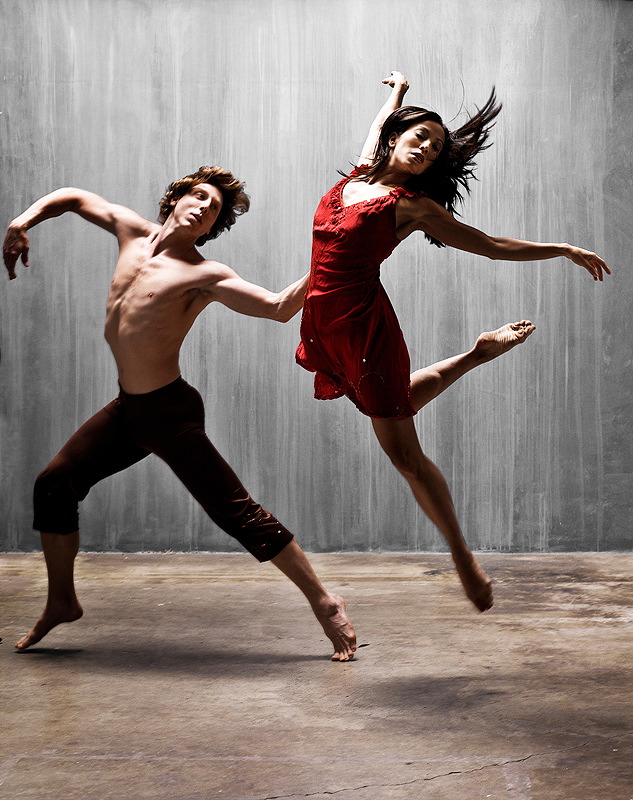
Dancing is the rhythmic movement of the body, typically to music, serving as a fundamental form of human expression across cultures and history. It encompasses a vast spectrum, from ancient ceremonial rituals and classical ballet to contemporary street styles and social media trends. Whether performed solo for exercise or self-expression, or in groups for social, competitive, or theatrical purposes, dance is a universal language that transcends verbal communication. Its practice spans millennia, with evidence of rhythmic movement found in prehistoric times, underscoring its enduring role in human society. Today, dance continues to evolve, influencing fashion, music, and digital culture, with global dance competitions and online tutorials reaching millions, solidifying its status as a dynamic and ever-present art form and physical activity.
🎵 Origins & History
The origins of dancing are as old as humanity itself, predating recorded history. Ancient civilizations utilized dance in religious ceremonies, social gatherings, and military training. The ancient Greeks associated dance with their gods, with Dionysian rituals and the Muses embodying artistic inspiration. Early forms of ballet emerged in the Italian Renaissance courts, later codified and popularized in France. These historical roots highlight dance's consistent role in ritual, celebration, and social cohesion across millennia, evolving from primal expression to formalized art.
⚙️ How It Works
Dancing involves the deliberate and rhythmic movement of the body, often in response to music or other auditory stimuli. It is a complex interplay of physical coordination, spatial awareness, and emotional expression. Dancers utilize a vast vocabulary of movements, from simple steps to intricate leaps and gestures, often guided by choreography – the art of designing dance sequences. The body acts as the primary instrument, with muscles, joints, and balance working in concert to create fluid or sharp, powerful or delicate motions. Beyond physical execution, dance often carries symbolic meaning, conveying narratives, emotions, or cultural values. The interaction between dancer and audience, or between dancers in a group, forms a dynamic performance that can be both seen and felt, creating a unique aesthetic experience.
📊 Key Facts & Numbers
Professional dance companies, such as the Royal Ballet in London and the New York City Ballet, employ thousands of dancers worldwide. The Olympic Games have seen increasing calls for the inclusion of dance sports like breakdancing, which debuted at the Paris 2024 Olympics.
👥 Key People & Organizations
Throughout history, countless individuals and organizations have shaped the world of dance. Choreographers like Marius Petipa defined classical ballet with works such as Swan Lake and The Sleeping Beauty. Modern dance pioneers like Martha Graham revolutionized movement with her distinct technique. In street dance, figures like DJ Kool Herc (born Clive Campbell) are credited with pioneering breakbeats. Organizations such as The John F. Kennedy Center for the Performing Arts champion diverse dance forms, while institutions like The Juilliard School train generations of professional dancers. Contemporary choreographers like Sharon Eyal and Ohad Naharin continue to push artistic boundaries.
🌍 Cultural Impact & Influence
Dance has profoundly influenced global culture, shaping music, fashion, and social interaction. The visual language of dance has inspired countless works of art, literature, and film. Edgar Degas painted ballerinas. Social dances, from the waltz of the 19th century to the TikTok dances of today, reflect and shape social norms and community bonds. Dance's ability to convey emotion and narrative without words makes it a powerful tool for storytelling and cultural exchange, fostering empathy and understanding across diverse populations.
⚡ Current State & Latest Developments
The landscape of dance is in constant flux, driven by technological innovation and evolving social trends. The rise of social media platforms like TikTok has democratized dance creation and dissemination, leading to the rapid spread of viral dance challenges and new micro-genres. Virtual reality and augmented reality are beginning to offer immersive dance experiences, both for performers and audiences. Online dance classes and workshops have become a permanent fixture, increasing accessibility. Furthermore, dance is increasingly recognized for its therapeutic benefits, with growing research into its applications in mental health and physical rehabilitation, leading to specialized programs and certifications.
🤔 Controversies & Debates
Dance is not without its controversies and debates. Historically, certain dance forms have been suppressed or deemed immoral by dominant cultural or religious authorities. In contemporary times, debates arise around issues of cultural appropriation, particularly when dominant cultures adopt and commercialize dances originating from marginalized communities without proper attribution or understanding. The commercialization of dance, especially through reality television shows and social media, also faces criticism for potentially prioritizing spectacle over artistic integrity or exploiting dancers. Questions of artistic merit versus popular appeal frequently surface, particularly concerning the inclusion of dance sports in major international events like the Olympics.
🔮 Future Outlook & Predictions
The future of dancing appears to be increasingly integrated with technology and personalized experiences. We can anticipate further exploration of VR and AR in dance performance and education, potentially creating entirely new forms of interactive choreography. AI-driven choreography tools might emerge, assisting human choreographers or even generating novel movement sequences. The therapeutic applications of dance are likely to expand significantly, with more evidence-based programs for conditions ranging from Parkinson's disease to anxiety. As global connectivity increases, we may see a greater fusion of diverse dance traditions, leading to hybrid styles that reflect our interconnected world, while debates around authenticity and cultural exchange will undoubtedly continue.
💡 Practical Applications
Dancing offers a wide array of practical applications beyond performance and entertainment. It serves as a highly effective form of cardiovascular exercise, improving stamina, flexibility, and coordination. Many fitness programs, such as Zumba and barre, are built around dance principles. Dance therapy, or Dance Movement Therapy (DMT), is a recognized psychotherapeutic approach that uses movement to promote emotional, social, and cognitive integration. In sports, dance training enhances athletes' agility, balance, and body control, benefiting disciplines from gymnastics to martial arts. Furthermore, dance plays a crucial role in cultural preservation and education, helping to pass down traditions and historical narratives through embodied practice.
Key Facts
- Category
- culture
- Type
- topic