
Contents
Overview
The lineage of cult classics can be traced back to the early days of cinema, with films that were controversial, suppressed, or simply misunderstood by the prevailing tastes of their era. Early examples include silent films that pushed artistic boundaries with their expressionistic visuals, or pre-Code Hollywood films that dared to tackle mature themes before the Hays Code, a set of industry standards for American films, clamped down. The true emergence of the "cult film" as a recognized phenomenon, however, is often linked to the rise of midnight movies in the late 1960s and 1970s. Films found their audience through late-night screenings, fostering a sense of discovery and shared experience among viewers who sought out the unconventional. This era also saw the rise of international art-house cinema, with directors creating deeply personal and often bizarre works that cultivated fervent followings.
⚙️ Defining Characteristics
What truly defines a cult classic is not necessarily its artistic merit, but the fervent devotion of its audience. These films often possess a unique sensibility that alienates mainstream viewers but deeply resonates with a specific demographic. This can manifest as unconventional narrative structures, provocative or taboo subject matter, distinctive visual styles, or an earnestness that borders on the absurd. The audience's engagement is crucial; it's not enough for a film to be obscure; it must inspire active participation. This includes repeated viewings, quoting dialogue verbatim, dressing up as characters for screenings, and engaging in fan-created content. Films like The Rocky Horror Picture Show exemplify this, with its interactive midnight showings becoming a global phenomenon that continues to this day, pioneered by the concept of participatory viewing.
📊 Key Facts & Numbers
While defining a cult classic is inherently subjective, certain patterns emerge. Many cult films were box-office disappointments. The home video market, particularly VHS and later DVD, played a pivotal role in the proliferation of cult films, allowing them to reach audiences beyond theatrical runs. The average cult film audience member reportedly watches their favorite film at least 10 times.
👥 Notable Cult Classics & Their Audiences
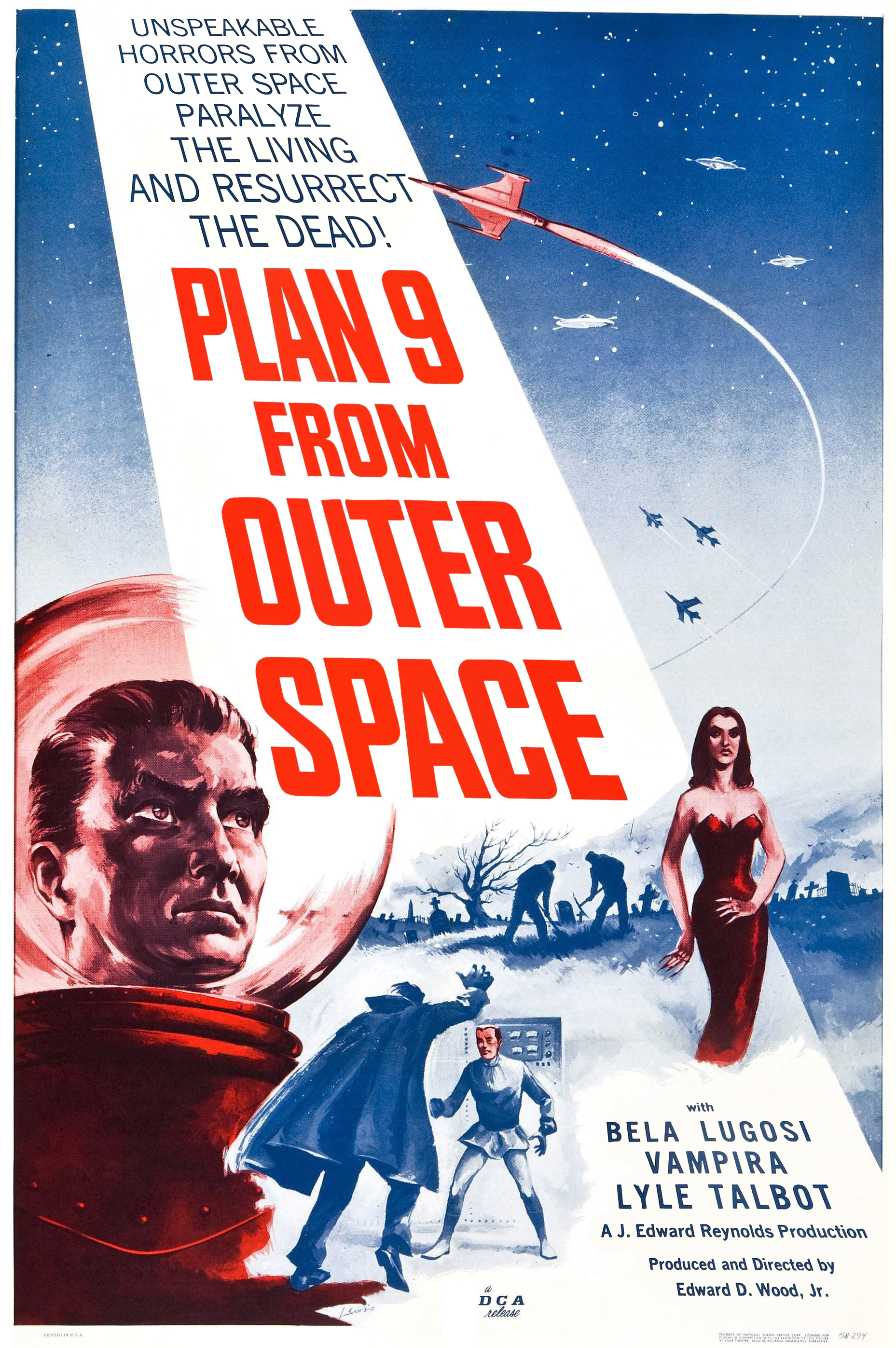
The spectrum of cult classics is vast, encompassing diverse genres and audiences. Films often cited as one of the worst ever made have a devoted following that celebrates their sheer ineptitude. Conversely, some films, while critically acclaimed and commercially successful, also developed a significant cult following due to their distinctive style and quotable dialogue, demonstrating that mainstream success doesn't preclude cult status. The fanbase for The Big Lebowski is so dedicated that an annual "Lebowski Fest" draws thousands of fans dressed as characters and quoting lines. Similarly, the fervent following for Twin Peaks showcases how television series can also achieve cult classic status, inspiring academic study and dedicated online communities.
🌍 Cultural Impact & Influence
The influence of cult classics extends far beyond their dedicated fanbases, shaping cinematic trends and inspiring subsequent generations of filmmakers. Their willingness to experiment with form, content, and narrative has often paved the way for more mainstream acceptance of unconventional ideas. Directors like David Lynch and Quentin Tarantino built careers on a foundation of cult appeal, eventually crossing over into wider recognition without abandoning their distinctive styles. The aesthetic and thematic elements of cult films, from the gritty realism of Taxi Driver to the surrealism of Eraserhead, have been absorbed into the broader cinematic lexicon. Furthermore, the concept of "participatory viewing," pioneered by films like The Rocky Horror Picture Show, has influenced live events and immersive entertainment experiences.
⚡ Current State & Latest Developments
In the current media landscape, the lines between mainstream and cult are increasingly blurred, thanks to streaming platforms and the internet. Services like Netflix and HBO Max often acquire and promote niche content, giving cult films wider reach than ever before. Online communities on platforms like Reddit and Tumblr allow fans to connect, share theories, and create content, sustaining and growing cult followings organically. The rise of "prestige television" has also seen more complex, character-driven narratives achieve cult status, with shows like Fleabag garnering intense critical acclaim and a devoted following. The ongoing success of franchises like John Wick demonstrates how a film can start with cult appeal and gradually build into a mainstream phenomenon.
🤔 Controversies & Debates
The very definition of a "cult classic" is a subject of ongoing debate. Critics argue that the term is often used too liberally, diluting its meaning and applying it to any film that wasn't a massive hit. The subjectivity of taste means that what one person considers a masterpiece, another might dismiss as trash. There's also a tension between films that are "so bad they're good," like The Room, and those that are genuinely artistically ambitious but underappreciated, like Stalker. The commercialization of cult status also raises questions: when a film becomes a massive commercial success due to its cult following, does it cease to be a cult classic? This debate highlights the fluid and often contradictory nature of cultural categorization.
🔮 Future Outlook & Predictions
The future of cult classics appears robust, driven by the democratization of content creation and distribution. As more independent filmmakers find platforms to showcase their work, the pool of potential cult films will undoubtedly expand. The internet will continue to be a crucial engine for cultivating these niche audiences, allowing films to find their tribes regardless of initial commercial performance. We may see a rise in "digital cult classics" – films that gain their following primarily through online communities and streaming. Furthermore, the increasing interest in retro and niche content suggests that older cult films will continue to find new generations of fans, ensuring their enduring legacy. The challenge will be for these films to maintain their unique identity amidst increasing visibility.
💡 Practical Applications
The concept of cult classics has practical applications in marketing, content curation, and understanding audience engagement. Marketers can identify and target niche demographics that resonate with cult aesthetics or themes, often achieving high engagement with lower budgets. Streaming services and distributors use the "cult classic" label as a marketing tool to attract specific viewer segments. Understanding the mechanics of cult followings can also inform how creators build communities around their work, fostering loyalty and repeat engagement. For film scholars and critics, cult classics offer a valuable lens through which to examine cultural shifts, audience reception, and the evolving definition of cinematic value, moving beyond purely commercial metrics.
Key Facts
- Category
- culture
- Type
- topic