
Contents
Overview
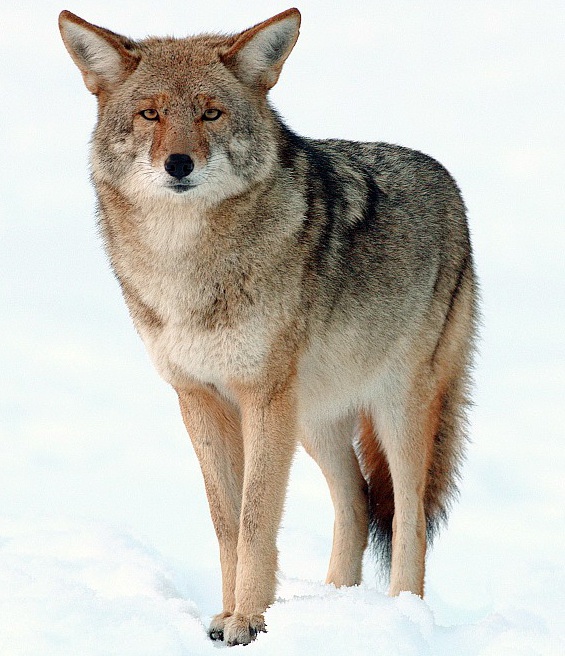
The coyote (Canis latrans) has a long history in North America, with fossil records dating back to the Pleistocene era. According to National Geographic, the coyote is believed to have originated from the same ancestral stock as the gray wolf (Canis lupus) and the eastern wolf (Canis lycaon). The species has been able to adapt to various environments, including urban areas, where they can be found in cities such as Los Angeles and New York City. In fact, a study by University of California found that urban coyotes are common in many cities, and are able to thrive in these environments.
🦊 How It Works
The coyote's ability to adapt to different environments is due in part to its omnivorous diet, which includes a wide range of food sources, from small mammals and fruits to insects and vegetation. As noted by Smithsonian Institution, the coyote's diet is highly variable, and can include species such as prairie dogs and rabbits. The coyote's social structure is also complex, with packs typically consisting of a dominant male and female, as well as their offspring. According to Wildlife Conservation Society, coyote packs are known to be highly territorial, and will defend their territory against other coyotes and predators, such as mountain lions.
🌍 Cultural Impact
The coyote has a significant cultural impact in North America, with many indigenous communities revering the species as a symbol of adaptability and resilience. In fact, the coyote is an important figure in the folklore of many Native American tribes, including the Navajo Nation and the Cherokee Nation. The coyote has also been featured in various forms of media, including films and literature, such as the classic cartoon series Looney Tunes, which features a coyote character known as Wile E. Coyote. Additionally, the coyote has been the subject of numerous scientific studies, including research by Harvard University on the species' behavior and ecology.
🔮 Legacy & Future
The coyote's legacy and future are complex and multifaceted, with many conservation efforts in place to protect the species and its habitats. According to International Union for Conservation of Nature, the coyote is listed as least concern, due to its wide distribution and abundance throughout North America. However, the species still faces many threats, including habitat loss and fragmentation, as well as human-coyote conflicts. As noted by World Wildlife Fund, conservation efforts are necessary to protect the coyote and its habitats, and to promote coexistence between humans and coyotes. In the future, it is likely that the coyote will continue to adapt to changing environments and ecosystems, and will remain an important and iconic species in North America.
Key Facts
- Year
- 2013
- Origin
- North America
- Category
- nature
- Type
- species
Frequently Asked Questions
What is the average weight of a coyote?
The average male coyote weighs between 8-20 kg (18-44 lb), while the average female weighs between 7-18 kg (15-40 lb), according to National Geographic.
What is the coyote's diet?
The coyote is an omnivore, and its diet includes a wide range of food sources, from small mammals and fruits to insects and vegetation, as noted by Smithsonian Institution.
Are coyotes social animals?
Yes, coyotes are social animals that live in packs, typically consisting of a dominant male and female, as well as their offspring, according to Wildlife Conservation Society.
What is the coyote's conservation status?
The coyote is listed as least concern by the International Union for Conservation of Nature, due to its wide distribution and abundance throughout North America.
What are some threats to coyote populations?
Coyotes face many threats, including habitat loss and fragmentation, as well as human-coyote conflicts, according to World Wildlife Fund.