
Contents
Overview
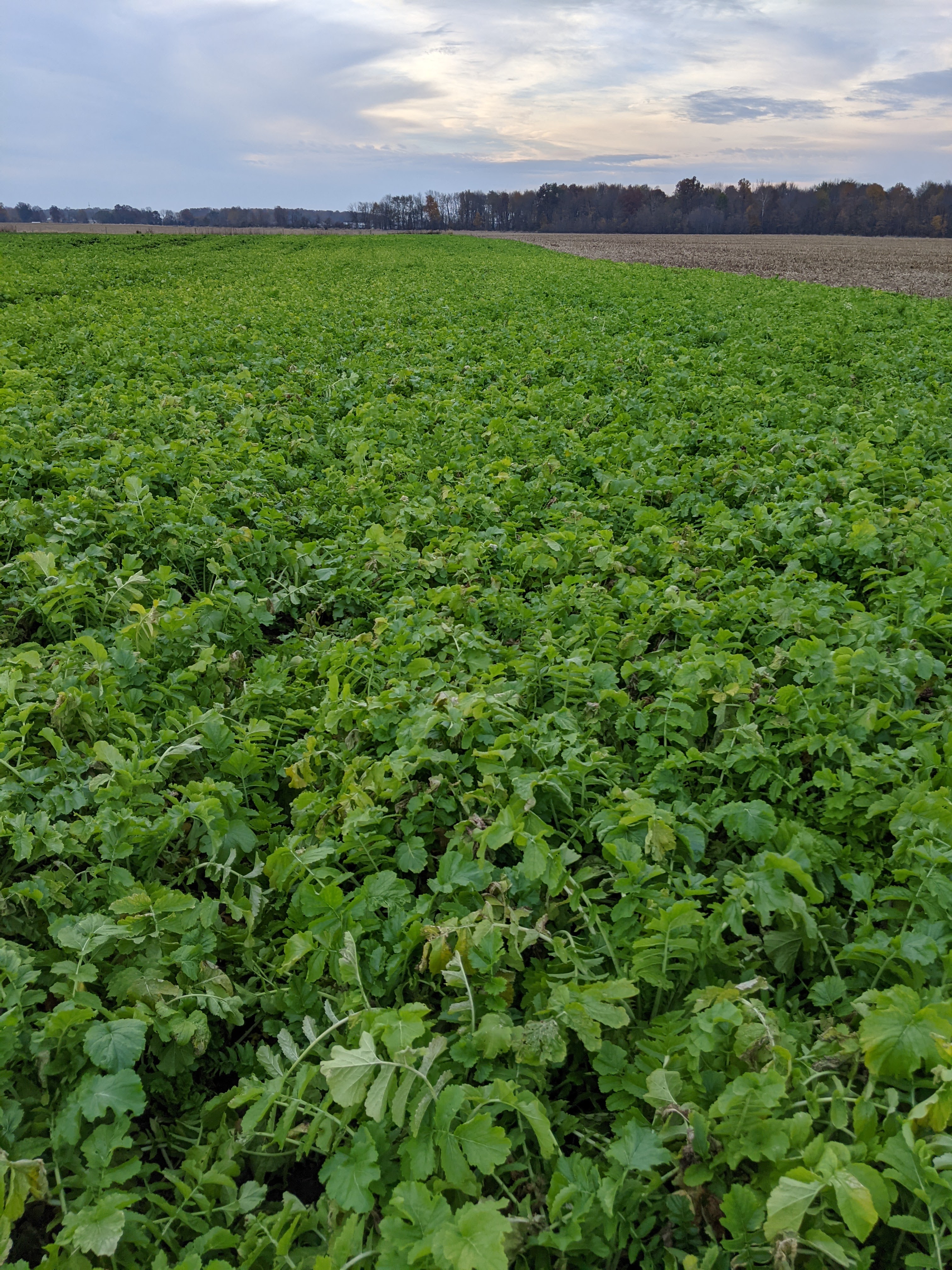
Cover crop breeding is the process of developing crops that are specifically designed to protect and enrich soil, rather than being harvested for food or other products. These crops, such as winter rye and hairy vetch, play a crucial role in maintaining soil health, reducing erosion, and promoting biodiversity. By breeding cover crops with desirable traits, farmers and researchers can improve soil fertility and promote sustainable agriculture practices. The practice of cover cropping dates back to ancient civilizations, with evidence of its use found in the works of Theophrastus and Cato the Censor.
Origins & History
Cover crop breeding has its roots in traditional agriculture, where farmers would plant crops to protect and enrich the soil between harvests. The practice of cover cropping dates back to ancient civilizations, with evidence of its use found in the works of Theophrastus and Cato the Censor. Today, cover crop breeding is a vital component of sustainable agriculture, with researchers and farmers working together to develop new and improved cover crop varieties, such as radish and oats.
How It Works
The process of cover crop breeding involves selecting and breeding crops with desirable traits, such as deep root systems, high biomass production, and disease resistance. Breeders use a variety of techniques, including traditional breeding methods and modern biotechnology, to develop new cover crop varieties. For example, the University of Wisconsin has developed a new variety of alfalfa that is resistant to Phytophthora root rot. The goal of cover crop breeding is to create crops that can thrive in a variety of conditions, from cool and wet to hot and dry, and that can provide a range of benefits to the soil and the environment.
Key Facts & Numbers
Some key facts and numbers about cover crop breeding include: the majority of cover crops are planted in the Midwest and Great Plains regions. The SARE program provides funding and support for sustainable agriculture research and education.
Key People & Organizations
Some key people and organizations involved in cover crop breeding include: Steve Berger, a researcher at the University of Iowa who has developed new varieties of cover crops, such as cereal rye and triticale. The SARE program has also played a crucial role in promoting cover crop breeding and sustainable agriculture practices.
Cultural Impact & Influence
Cover crop breeding has had a significant cultural impact and influence, particularly in the context of sustainable agriculture and environmental conservation. The use of cover crops has been promoted by a variety of organizations and initiatives.
Current State & Latest Developments
The current state of cover crop breeding is one of ongoing research and development, with new varieties and technologies being explored. Researchers are working to develop new and improved cover crop varieties, and to promote the use of cover crops as a key component of regenerative agriculture.
Controversies & Debates
Despite the many benefits of cover crop breeding, there are also some controversies and debates surrounding the practice. Some critics argue that the use of cover crops can be expensive and time-consuming, and that the benefits may not be worth the cost. Others argue that the use of biotechnology in cover crop breeding is unnecessary and potentially risky.
Future Outlook & Predictions
Looking to the future, it is likely that cover crop breeding will continue to play an important role in sustainable agriculture and environmental conservation. Researchers and farmers will need to work together to develop new and improved cover crop varieties, and to promote the use of cover crops as a key component of regenerative agriculture.
Practical Applications
Cover crop breeding has a number of practical applications, particularly in the context of sustainable agriculture and environmental conservation. Farmers can use cover crops to improve soil health, reduce erosion, and promote biodiversity. Cover crops can also be used as a source of forage for livestock and as a way to reduce the need for fertilizers and pesticides.
Key Facts
- Year
- 2020
- Origin
- Global
- Category
- science
- Type
- concept
Frequently Asked Questions
What is cover crop breeding?
Cover crop breeding is the process of developing crops that are specifically designed to protect and enrich soil, rather than being harvested for food or other products. This process involves selecting and breeding crops with desirable traits.