
Contents
Overview
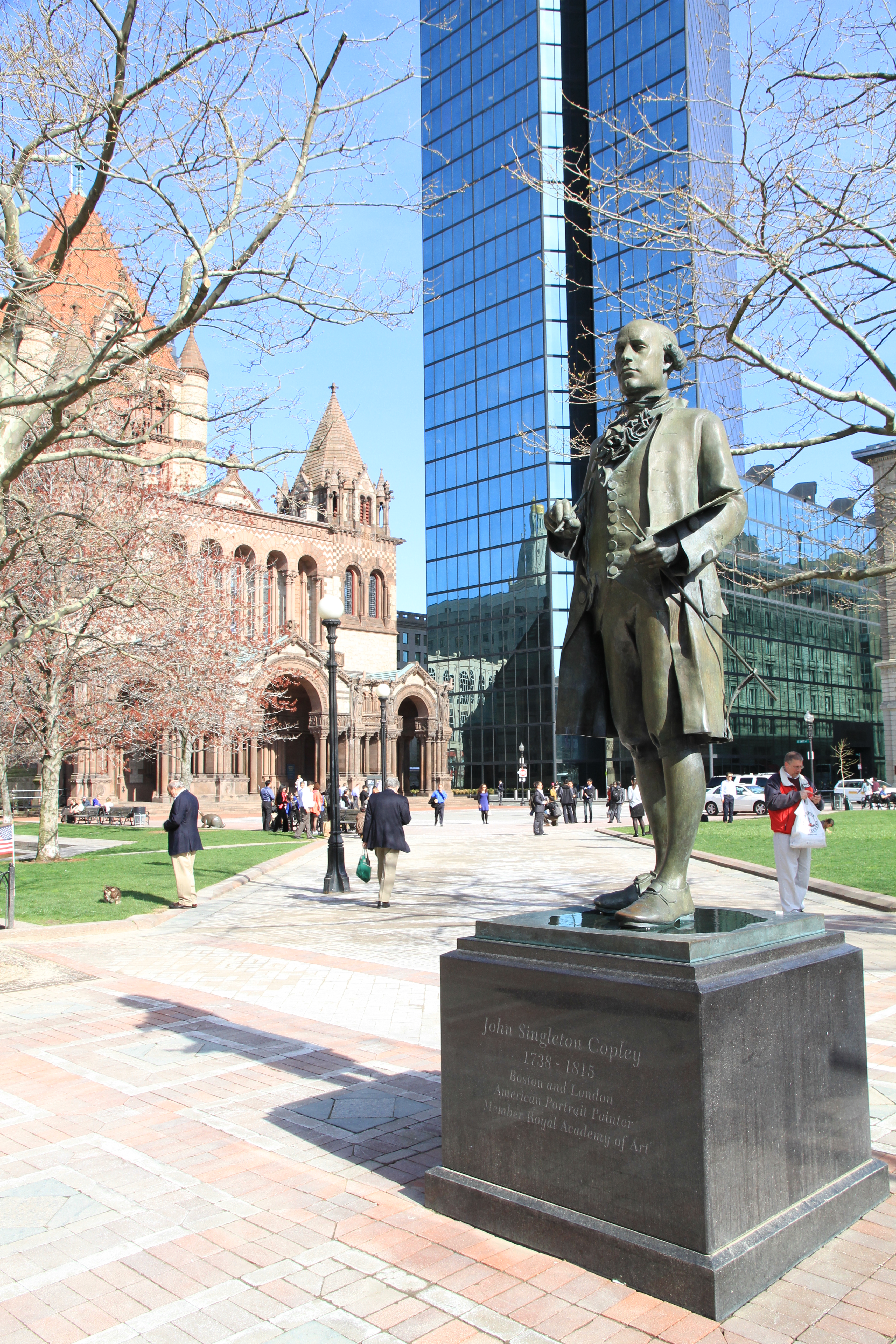
Copley Square's story begins in the mid-19th century, a period of significant urban expansion for Boston. Originally known as Art Square, its name was changed to honor John Singleton Copley, a prominent American painter whose works are now housed in institutions like the Museum of Fine Arts, Boston. The square's early development was intrinsically linked to the establishment of major cultural institutions, most notably the Boston Public Library and Trinity Church. These edifices, designed by architectural titans Henry Hobson Richardson and Charles Follen McKim respectively, immediately established Copley Square as a destination for art and architecture enthusiasts, setting a precedent for its future as a civic and cultural nucleus.
⚙️ Urban Design & Architecture
The architectural character of Copley Square is a striking juxtaposition of historical grandeur and contemporary design. The aforementioned Trinity Church, a masterpiece of Richardsonian Romanesque architecture, and the Boston Public Library's Renaissance Revival style building, designed by Charles Follen McKim, anchor the square's historical core. These are dramatically contrasted by modern structures such as 200 Clarendon Street (formerly the John Hancock Tower), designed by I.M. Pei, and the Boston Marriott Copley Place. This deliberate layering of architectural styles, often debated for its aesthetic harmony, creates a unique urban dialogue, transforming the square into an open-air museum of architectural history and innovation. The design of the public spaces themselves, including the pedestrian plazas and green areas, has been subject to numerous redesigns, most notably by Sasaki Associates in the late 20th century, aiming to enhance usability and aesthetic appeal.
📊 Key Facts & Numbers
Copley Square serves as a significant urban node, attracting an estimated 3 million visitors annually, according to the City of Boston's tourism data. The square is bordered by streets that see an average daily traffic volume of over 40,000 vehicles. It encompasses approximately 2.8 acres of public space, a figure that has remained relatively consistent since its formal establishment. The surrounding area boasts over 1.5 million square feet of office and retail space, contributing significantly to Boston's economy, with commercial rents in the Back Bay district averaging over $70 per square foot annually. The square is also a key transit hub, with the Copley MBTA station serving an average of 15,000 daily riders on the Green Line.
👥 Key People & Institutions
The square's identity is deeply intertwined with the institutions that define it. John Singleton Copley, the painter for whom the square is named, is a foundational figure in American art history. Henry Hobson Richardson's architectural genius is epitomized by Trinity Church, a landmark that influenced generations of architects. Charles Follen McKim's design for the Boston Public Library set a new standard for civic architecture. I.M. Pei, the architect behind the John Hancock Tower, brought a modernist sensibility to the square. Beyond individuals, institutions like the Boston Public Library, Trinity Church, and the Back Bay Association play crucial roles in shaping the square's programming and preservation efforts.
🌍 Cultural Impact & Influence
Copley Square's influence extends far beyond its physical boundaries. It has been a consistent backdrop for major public events, from the annual Boston Marathon finish line celebrations to political rallies and protests, most notably following the Boston Marathon bombing in 2013, where it became a symbol of resilience. The square's architectural diversity has also made it a subject of study and inspiration for urban planners and architects worldwide, showcasing how historic preservation can coexist with contemporary development. Its cultural resonance is such that it's frequently depicted in film and literature, solidifying its status as an iconic Boston landmark and a symbol of American urbanism.
⚡ Current State & Latest Developments
In recent years, Copley Square has continued to evolve as a dynamic urban space. The area around 200 Clarendon Street has seen significant revitalization efforts, including public art installations and improved pedestrian access. The Boston Public Library continues to host a robust schedule of exhibitions and public programs, drawing over 3 million visitors annually. The square remains a focal point for civic engagement, hosting numerous community events, farmers' markets, and seasonal festivals. Discussions are ongoing regarding further enhancements to public space usability and the integration of sustainable design principles, reflecting Boston's commitment to creating resilient and engaging urban environments.
🤔 Controversies & Debates
The architectural juxtaposition in Copley Square has long been a source of debate. Critics have questioned the aesthetic compatibility of the sleek, modernist John Hancock Tower with the more traditional Trinity Church and Boston Public Library. The sheer scale of the modern buildings has also raised concerns about overshadowing and the impact on the historic character of the square. Furthermore, the square's role as a site for public gatherings, while celebrated, has also led to controversies regarding security, crowd management, and the balance between public access and private property rights, particularly in the aftermath of events like the Boston Marathon bombing.
🔮 Future Outlook & Predictions
The future of Copley Square is likely to involve a continued emphasis on integrating public art, green infrastructure, and enhanced pedestrian experiences. As Boston pushes forward with its climate resilience goals, expect to see more sustainable design elements incorporated into the square's public spaces. There's also a growing interest in leveraging technology to improve visitor experience, potentially through interactive installations or augmented reality features that highlight the square's rich history and architectural significance. The ongoing dialogue between historic preservation and modern development will undoubtedly continue to shape Copley Square's evolving identity as a premier urban destination.
💡 Practical Applications
Copley Square serves as a prime example of successful urban placemaking, demonstrating how a public space can function as a cultural, civic, and economic engine. Its architectural landmarks are not merely historical artifacts but active participants in the city's life, hosting events ranging from art exhibitions at the Boston Public Library to outdoor concerts and public forums. The square's design principles, emphasizing pedestrian flow and visual appeal, offer valuable lessons for urban planners designing public spaces in other cities. Furthermore, its role as a backdrop for significant historical events, such as the aftermath of the Boston Marathon bombing, highlights its function as a site of collective memory and civic identity.
Key Facts
- Category
- places
- Type
- topic