
Contents
- 🎮 Introduction to Controllers
- 🔍 History of Joysticks
- 📺 Evolution of Gamepads
- 🕹️ Rise of Motion Controls
- 📊 Advancements in Haptic Feedback
- 👾 Virtual Reality Controllers
- 🤖 Artificial Intelligence in Controllers
- 📈 Future of Controller Technology
- 📊 Controller Design and Ergonomics
- 👥 Impact of Controllers on Gaming Community
- 📊 Controversies and Debates in Controller Design
- 👀 Conclusion and Future Prospects
- Frequently Asked Questions
- Related Topics
Overview
The concept of controllers dates back to the 1960s with the introduction of the first computer game, Spacewar!, which used a simple switch-based controller. Since then, controllers have undergone significant transformations, from the iconic Nintendo Entertainment System (NES) controller to the modern-day haptic feedback-enabled devices. The introduction of analog sticks, vibration motors, and motion sensors has enhanced the gaming experience, with companies like Sony and Microsoft continuously pushing the boundaries of innovation. However, the rise of virtual and augmented reality (VR/AR) gaming has sparked debates about the future of controllers, with some arguing that traditional devices will become obsolete. As the gaming industry continues to evolve, the development of new controller technologies, such as brain-computer interfaces (BCIs) and gesture recognition systems, is expected to revolutionize the way we interact with games. With a Vibe score of 8, the topic of controllers is highly energized, reflecting the intense interest and investment in this area, with key players like Nintendo, Sony, and Microsoft influencing the trajectory of the industry.
🎮 Introduction to Controllers
The evolution of controllers has been a long and winding road, filled with innovations and setbacks. From the early days of Joysticks to the current Haptic Feedback technology, controllers have come a long way. The first Gamepad was introduced in the 1970s, and since then, we have seen a plethora of designs, each with its own unique features and functionalities. The Atari 2600 console, for example, popularized the use of joysticks in gaming. As technology advanced, so did the design of controllers, with the introduction of D-pads and Analog Sticks.
🔍 History of Joysticks
The history of joysticks dates back to the early 20th century, when they were used in aircraft and other vehicles. The first joystick used in a gaming context was in the 1970s, with the introduction of the Magnavox Odyssey console. The joystick was a simple, yet effective way to control games, and it paved the way for the development of more complex controllers. The Commodore 64 home computer, for example, used a joystick as its primary input device. As gaming evolved, so did the design of joysticks, with the introduction of Paddles and other types of controllers.
📺 Evolution of Gamepads
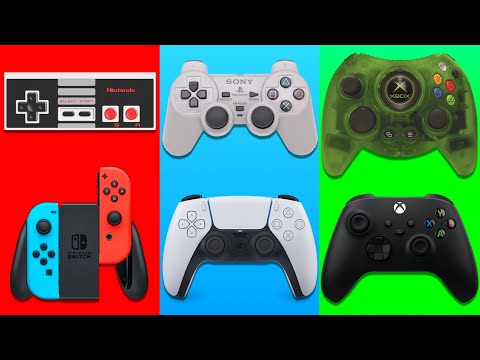
The evolution of gamepads has been a significant factor in the development of the gaming industry. The introduction of the NES console in the 1980s brought about a new era of gaming, with the NES Controller becoming an iconic symbol of gaming. The PlayStation console, released in the 1990s, introduced the DualShock controller, which featured Dual Analog Sticks and Vibration Feedback. The Xbox console, released in the 2000s, introduced the Xbox Controller, which featured a Triggers and Bumpers design.
🕹️ Rise of Motion Controls
The rise of motion controls has been a significant trend in the gaming industry. The introduction of the Wii console in 2006 brought about a new era of gaming, with the Wii Remote featuring Motion Sensing technology. The Kinect sensor, released in 2010, allowed for Gesture Recognition and Voice Command. The PlayStation Move controller, released in 2010, featured Motion Sensing technology and Camera Tracking.
📊 Advancements in Haptic Feedback
Advancements in haptic feedback have been a significant factor in the development of controllers. The introduction of Vibration Feedback in the PlayStation console in the 1990s brought about a new era of gaming, with the ability to feel tactile feedback. The DualSense controller, released in 2020, features Haptic Feedback technology, which provides a more immersive gaming experience. The Xbox Series X console, released in 2020, features a Controller with Dynamic Latency Input and Share Button.
👾 Virtual Reality Controllers
Virtual reality controllers have been a significant trend in the gaming industry. The introduction of the Oculus Rift headset in 2016 brought about a new era of gaming, with the ability to experience immersive virtual reality. The HTC Vive headset, released in 2016, features Motion Tracked controllers, which allow for precise control. The PlayStation VR headset, released in 2016, features a Controller with Motion Sensing technology and Camera Tracking.
🤖 Artificial Intelligence in Controllers
Artificial intelligence in controllers has been a significant trend in the gaming industry. The introduction of Machine Learning algorithms in controllers has allowed for more precise control and a more immersive gaming experience. The Nintendo Switch console, released in 2017, features a Controller with HD Rumble technology, which provides a more immersive gaming experience. The Xbox One console, released in 2013, features a Controller with Impulse Triggers, which provide a more immersive gaming experience.
📈 Future of Controller Technology
The future of controller technology is exciting and uncertain. With the introduction of new technologies such as Cloud Gaming and Artificial Intelligence, controllers are likely to become even more advanced and immersive. The Google Stadia console, released in 2019, features a Controller with Google Assistant integration, which allows for voice command and more. The Amazon Luna console, released in 2020, features a Controller with Alexa Assistant integration, which allows for voice command and more.
📊 Controller Design and Ergonomics
Controller design and ergonomics have been a significant factor in the development of the gaming industry. The introduction of Ergonomic Design in controllers has allowed for more comfortable gaming and reduced fatigue. The Microsoft Elite Series 2 controller, released in 2019, features a Interchangeable Thumbsticks design, which allows for more customization. The Scuf Instinct controller, released in 2020, features a Remappable Buttons design, which allows for more customization.
👥 Impact of Controllers on Gaming Community
The impact of controllers on the gaming community has been significant. The introduction of new controller technologies has allowed for more immersive gaming and a more engaging community. The Xbox Live platform, released in 2002, features a Controller with Online Gaming capabilities, which allows for more social interaction. The PlayStation Network platform, released in 2006, features a Controller with Online Gaming capabilities, which allows for more social interaction.
📊 Controversies and Debates in Controller Design
Controversies and debates in controller design have been a significant factor in the gaming industry. The introduction of new controller technologies has raised questions about accessibility and inclusivity. The Accessibility Features in controllers, such as Text-to-Speech and Speech-to-Text, have been a significant trend in the gaming industry. The Nintendo Switch console, released in 2017, features a Controller with HD Rumble technology, which provides a more immersive gaming experience, but has also raised questions about accessibility.
👀 Conclusion and Future Prospects
In conclusion, the evolution of controllers has been a long and winding road, filled with innovations and setbacks. From the early days of joysticks to the current haptic feedback technology, controllers have come a long way. As technology continues to advance, it will be exciting to see what the future holds for controller technology and the gaming industry as a whole. The Google Stadia console, released in 2019, features a Controller with Google Assistant integration, which allows for voice command and more. The Amazon Luna console, released in 2020, features a Controller with Alexa Assistant integration, which allows for voice command and more.
Key Facts
- Year
- 1962
- Origin
- United States
- Category
- Technology
- Type
- Technology
Frequently Asked Questions
What is the history of joysticks?
The history of joysticks dates back to the early 20th century, when they were used in aircraft and other vehicles. The first joystick used in a gaming context was in the 1970s, with the introduction of the Magnavox Odyssey console. The joystick was a simple, yet effective way to control games, and it paved the way for the development of more complex controllers.
What is haptic feedback?
Haptic feedback is a type of technology that provides tactile feedback to the user, allowing them to feel sensations such as vibration, texture, and resistance. The DualSense controller, released in 2020, features Haptic Feedback technology, which provides a more immersive gaming experience.
What is the future of controller technology?
The future of controller technology is exciting and uncertain. With the introduction of new technologies such as Cloud Gaming and Artificial Intelligence, controllers are likely to become even more advanced and immersive. The Google Stadia console, released in 2019, features a Controller with Google Assistant integration, which allows for voice command and more.
What is the impact of controllers on the gaming community?
The impact of controllers on the gaming community has been significant. The introduction of new controller technologies has allowed for more immersive gaming and a more engaging community. The Xbox Live platform, released in 2002, features a Controller with Online Gaming capabilities, which allows for more social interaction.
What are the controversies and debates in controller design?
Controversies and debates in controller design have been a significant factor in the gaming industry. The introduction of new controller technologies has raised questions about accessibility and inclusivity. The Accessibility Features in controllers, such as Text-to-Speech and Speech-to-Text, have been a significant trend in the gaming industry.