
Contents
Overview
Commodities trading involves the buying and selling of raw materials and primary agricultural products, forming a cornerstone of the global economy. Key commodities range from energy sources like crude oil and natural gas to agricultural goods such as wheat and soybeans, and precious metals like gold and silver. Trading occurs through various instruments, including spot markets, futures contracts, and options, often facilitated by exchanges like the CME Group and ICE.
🎵 Origins & History
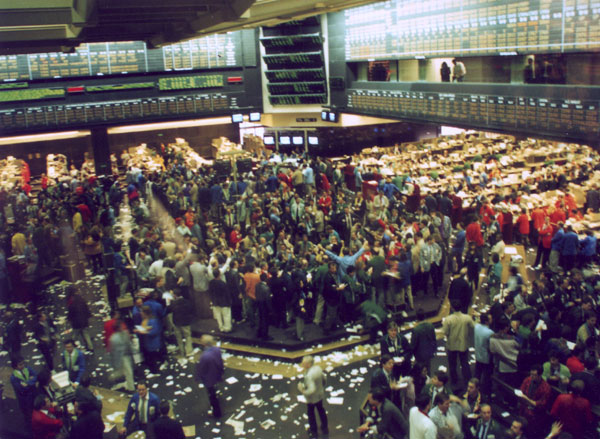
The practice of trading raw materials is as old as civilization itself. Early forms of commodity trading were essential for survival, allowing farmers to secure prices for their harvests and consumers to guarantee supply. The Dojima Rice Exchange in Osaka was a pivotal institution for rice futures. The Chicago Board of Trade (CBOT), founded in 1848, became a pivotal institution, standardizing contracts for agricultural products like corn and wheat, laying the groundwork for modern commodity trading infrastructure.
⚙️ How It Works
Commodities trading operates through various mechanisms, primarily the spot market and derivatives markets. In the spot market, commodities are bought and sold for immediate delivery at the current market price. Derivatives, such as futures contracts and options, allow traders to speculate on or hedge against future price movements without necessarily taking physical possession of the commodity. Futures contracts obligate the buyer to purchase a specific quantity of a commodity at a predetermined price on a future date, while the seller is obligated to sell. Exchanges like the CME Group and ICE provide regulated platforms for these transactions, ensuring transparency and price discovery, while clearing houses act as intermediaries to mitigate counterparty risk.
📊 Key Facts & Numbers
The global commodities market is colossal, with annual trading volumes often exceeding tens of trillions of dollars. The energy sector alone, dominated by crude oil and natural gas, accounts for a significant portion of this value. Gold often acts as a safe-haven asset. The sheer liquidity and scale mean that even small percentage shifts can translate into billions in gains or losses for traders and producers.
👥 Key People & Organizations
Numerous individuals and organizations have shaped the landscape of commodities trading. Historically, figures like Jesse Livermore, a legendary speculator of the early 20th century, demonstrated the potential for immense wealth and ruin in these markets. Modern titans include founders of major trading firms and exchanges, such as Terry Duffy, Executive Chairman and CEO of the CME Group, and Jeffrey Sprecher, CEO of ICE. Major physical commodity trading companies include Glencore, Vitol, and Trafigura. Investment banks like Goldman Sachs and JPMorgan Chase also play significant roles through their commodities divisions, offering trading, financing, and hedging services.
🌍 Cultural Impact & Influence
Commodities trading profoundly influences global economics, politics, and everyday life. Advancements in extraction technologies, such as fracking for natural gas, can reshape geopolitical power dynamics and create new economic opportunities.
⚡ Current State & Latest Developments
The current state of commodities trading is characterized by increasing digitalization, the growing influence of algorithmic trading, and heightened volatility driven by geopolitical events and climate change concerns. High-frequency trading (HFT) firms execute a substantial portion of trades, leveraging sophisticated algorithms to exploit tiny price discrepancies. The push towards renewable energy sources is beginning to reshape long-term demand for traditional energy commodities, while concerns about climate change are driving interest in commodities critical for green technologies, like lithium and cobalt.
🤔 Controversies & Debates
Commodities trading is rife with controversy, primarily concerning market manipulation, price volatility, and its impact on food security. Critics argue that speculative trading can detach commodity prices from fundamental supply and demand, leading to artificial price spikes that harm consumers and developing nations reliant on imports. The environmental impact of extracting and transporting commodities includes oil spills and deforestation for agricultural land, raises ethical questions about the sustainability of current trading practices.
🔮 Future Outlook & Predictions
The future of commodities trading is likely to be shaped by the ongoing energy transition, technological advancements, and evolving global supply chains. Demand for traditional fossil fuels may decline as renewable energy sources become more prevalent, while demand for metals and minerals essential for batteries and electric vehicles, such as lithium, cobalt, and nickel, is projected to surge. The integration of artificial intelligence and machine learning in trading strategies will likely increase efficiency but also concentrate power among technologically advanced firms. Geopolitical shifts and the increasing frequency of extreme weather events due to climate change will continue to introduce volatility and necessitate more robust risk management strategies for producers and traders alike.
💡 Practical Applications
Commodities trading has direct practical applications for a vast array of industries and individuals. Producers, such as farmers and oil companies, use futures contracts to hedge against price declines, ensuring predictable revenue streams. Consumers and manufacturers, like airlines and food processors, use these instruments to lock in prices for essential inputs, mitigating cost volatility. Investors and speculators participate to profit from anticipated price movements, contributing to market liquidity. Governments also engage in commodity markets, managing strategic reserves and influencing national economic policy through trade agreements and resource management. Even individual investors can gain exposure through commodity ETFs and mutual funds.
Key Facts
- Category
- economics
- Type
- topic