
Contents
Overview
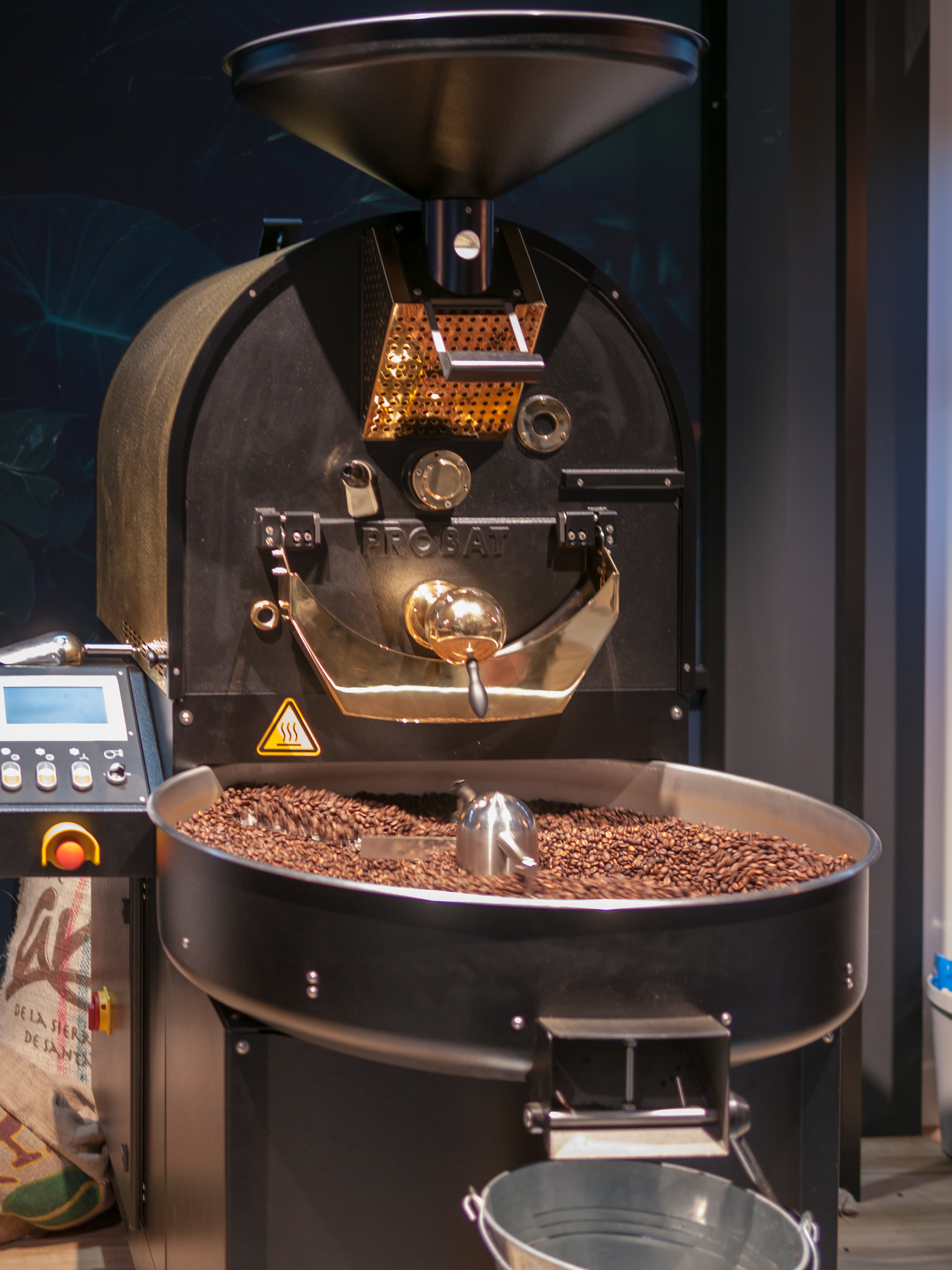
Coffee roasting is the process of transforming green coffee beans into roasted coffee products, which produces the characteristic flavor of coffee through chemical and physical changes. The roasting process involves the Maillard reaction and other chemical reactions that occur when green coffee beans are heated, resulting in a change in taste, aroma, and color. With a history that spans centuries, coffee roasting has evolved over time, from traditional methods to modern commercial and small-scale roasting techniques. Today, coffee roasting is a global industry, with a wide range of roasting methods and levels of roast, from light to dark, each producing a unique flavor profile.
🎵 Origins & History
Origins paragraph — The earliest evidence of coffee roasting was found in the Arabian Peninsula, where coffee was roasted over open fires. As coffee spread throughout the world, different roasting techniques and traditions emerged, with various cultures developing their own unique methods and flavor profiles. For example, the traditional Turkish coffee roasting method involves roasting coffee beans in small batches over low heat, resulting in a distinctive flavor and aroma. Companies like Starbucks and Blue Bottle Coffee have played a significant role in popularizing specialty coffee and driving the growth of the industry.
⚙️ How It Works
How it works — The coffee roasting process involves heating green coffee beans to bring out the desired flavor and aroma. The roasting process can be divided into several stages, including drying, browning, and development. During the drying stage, the beans are heated to remove excess moisture, while the browning stage involves the Maillard reaction, a chemical reaction that occurs when amino acids and reducing sugars are exposed to heat, resulting in the formation of new flavor compounds. The ideal roasting temperature and time can vary depending on the type of coffee bean and the desired flavor profile.
📊 Key Facts & Numbers
Key facts — The city of Seattle is home to over 100 coffee shops, with many of them being independent, small-scale roasters. James Freeman is the founder of Blue Bottle Coffee and has been instrumental in popularizing the concept of specialty coffee.
👥 Key People & Organizations
Key people — One notable figure in the coffee roasting industry is James Freeman, the founder of Blue Bottle Coffee. Another notable figure is Howard Schultz, the former CEO of Starbucks.
🌍 Cultural Impact & Influence
Cultural impact — Coffee roasting has had a significant cultural impact, with coffee being an integral part of many cultures around the world. In many countries, coffee is an important part of social and business interactions, with coffee shops and cafes serving as community hubs. The rise of specialty coffee has also led to the growth of coffee culture, with many coffee shops and cafes offering a unique and immersive experience for coffee lovers.
⚡ Current State & Latest Developments
Current state — The current state of the coffee roasting industry is one of growth and innovation, with many new and exciting developments emerging. The rise of sustainable and eco-friendly coffee roasting methods is becoming increasingly popular, as consumers become more aware of the environmental impact of their coffee habits.
🤔 Controversies & Debates
Controversies — One of the controversies surrounding coffee roasting is the issue of sustainability and environmental impact. The production and transportation of coffee can have a significant impact on the environment.
🔮 Future Outlook & Predictions
Future outlook — The future of coffee roasting looks bright, with many new and exciting developments emerging. The growth of sustainable and eco-friendly coffee roasting methods is expected to continue, as consumers become more aware of the environmental impact of their coffee habits.
💡 Practical Applications
Practical applications — Coffee roasting has many practical applications, from the production of high-quality coffee for consumption to the use of coffee as a ingredient in food and beverage products. Coffee roasting is also an important part of the coffee supply chain, with many coffee roasters and distributors playing a critical role in getting coffee from the farm to the consumer.
Key Facts
- Category
- culture
- Type
- concept