
Contents
- ☕ What Exactly IS a Coffee Bar?
- 📍 Global Hotspots & Local Gems
- 💰 The Price of Your Daily Grind
- ⭐ Vibe Scores & Patron Preferences
- 🤔 Espresso vs. Drip: The Eternal Debate
- 🍰 Beyond the Bean: Food Pairings
- 🌍 Cultural Brews: Beyond the West
- 💡 Pro Tips for the Savvy Sipper
- 🚀 The Future of the Coffeehouse
- Frequently Asked Questions
- Related Topics
Overview
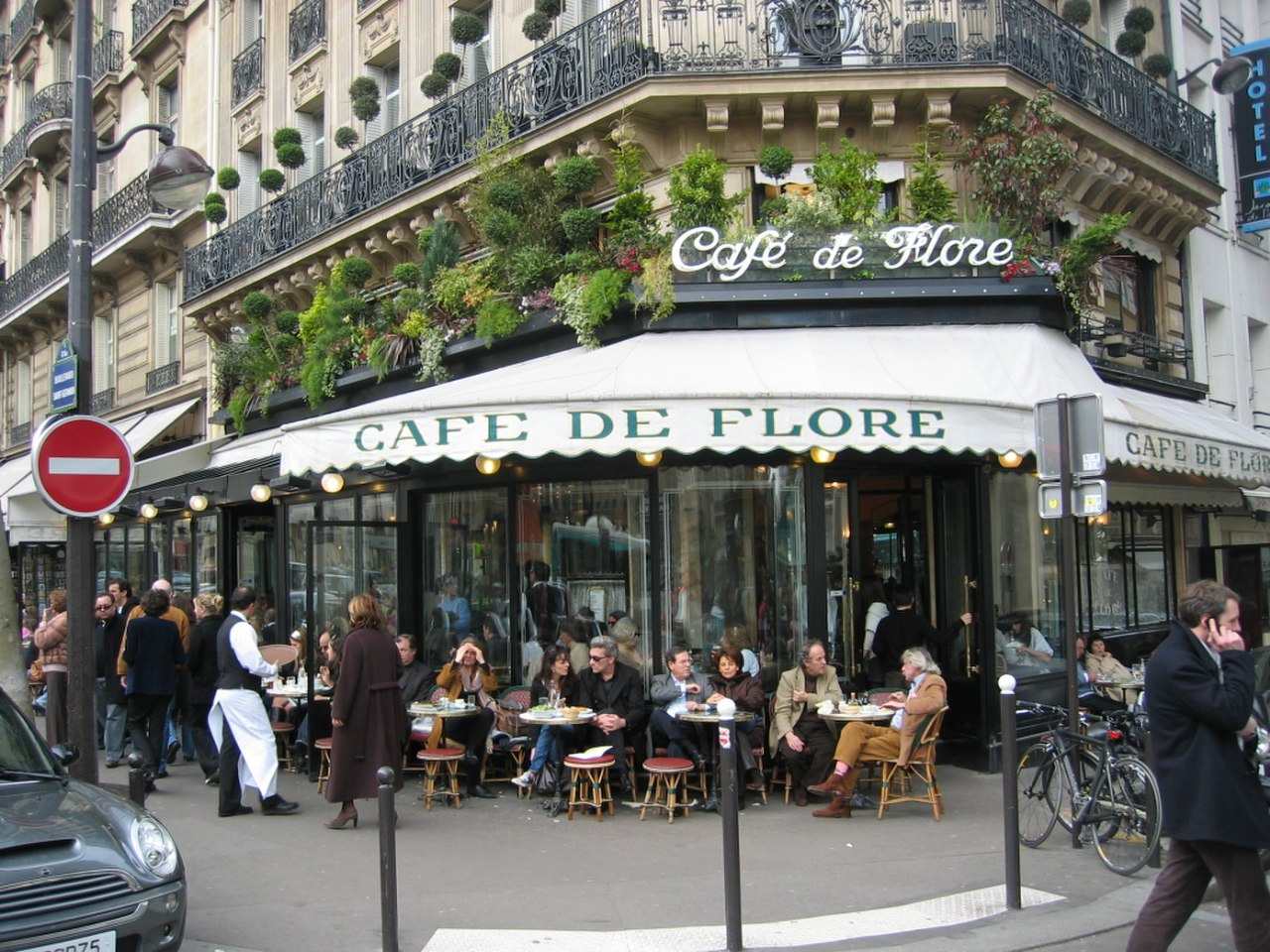
Coffee bars are more than just places to grab a quick cup; they are vital social and cultural hubs. Historically, coffeehouses have served as centers for intellectual exchange and community gathering, a tradition that continues today. Modern coffee bars range from minimalist, single-origin roasters focused on meticulous brewing techniques to cozy, neighborhood spots offering comfort and connection. Understanding the nuances of coffee bar culture, from the rise of the 'third wave' to the enduring appeal of classic cafes, is key to navigating this dynamic global scene. Whether you seek a perfectly pulled espresso or a welcoming space to work or socialize, the right coffee bar offers a unique experience.
☕ What Exactly IS a Coffee Bar?
A coffee bar, or more broadly a coffee shop, is more than just a place to grab a quick caffeine fix; it's a dynamic social and cultural nexus. Primarily, these establishments serve a spectrum of coffee beverages, from the foundational espresso to elaborate lattes and cappuccinos. However, the modern coffee bar often transcends this core offering, incorporating iced concoctions, non-caffeinated alternatives, and a growing array of light fare. Think of it as a liquid hub for connection, work, and contemplation, a vital artery in the circulatory system of urban life.
📍 Global Hotspots & Local Gems
From the bustling streets of Seattle, the birthplace of Starbucks, to the historic cafés of Vienna and the artisanal roasters of Melbourne, coffee bars are a global phenomenon. Major chains like Starbucks and Costa Coffee have established ubiquitous presences, but the true magic lies in the independent, local spots. These often reflect the unique character of their city, whether it's a quiet nook in Kyoto serving meticulously prepared matcha lattes or a lively spot in Buenos Aires offering strong, dark roasts alongside traditional pastries. Identifying these gems often requires local knowledge or a deep dive into online communities.
💰 The Price of Your Daily Grind
The cost of your coffee can vary wildly, a reflection of location, bean quality, and the overall experience. A standard drip coffee in a no-frills doughnut shop might set you back $2-$3, while a specialty pour-over at a high-end artisanal café in a major metropolis could easily reach $7-$10. Espresso-based drinks typically fall in the $4-$6 range. Factors like milk alternatives (oat, almond, soy), extra shots, and flavor syrups can also add to the bill. Understanding these price points is crucial for budgeting your daily caffeine ritual.
⭐ Vibe Scores & Patron Preferences
Vibe scores, a Vibepedia metric measuring cultural energy, can range from a low 20 for a sterile chain outlet to a soaring 90+ for a beloved independent spot buzzing with creativity. Patrons often seek different vibes: some crave the quiet hum of a study-friendly environment, others the lively chatter of a social gathering place, and a select few the focused intensity of a serious coffee connoisseur's haven. Ratings on platforms like Yelp and Google Maps offer a proxy for these preferences, but the true vibe is often felt upon entering.
🤔 Espresso vs. Drip: The Eternal Debate
The fundamental tension in many coffee bars revolves around the preparation method. While espresso-based drinks dominate popular consciousness, the classic drip coffee remains a staple. Espresso, brewed by forcing hot water through finely-ground coffee beans under pressure, offers intense flavor and a rich crema. Drip coffee, on the other hand, involves hot water slowly passing through grounds in a filter, yielding a cleaner, often lighter cup. The debate isn't just about taste; it's about the craft, the equipment, and the intended experience.
🍰 Beyond the Bean: Food Pairings
While coffee is the star, the supporting cast of food items can elevate a coffee bar from a mere beverage stop to a destination. Many establishments offer pastries like muffins, croissants, and doughnuts, perfect for a quick breakfast or snack. More substantial options can include sandwiches, salads, and quiches, transforming a coffee shop into a viable lunch spot. The quality and variety of food often correlate with the overall ambition and target demographic of the coffee bar.
🌍 Cultural Brews: Beyond the West
The coffeehouse tradition is not solely a Western construct. In parts of West Asia, establishments offer not only coffee but also flavored tobacco smoked through a hookah, known as shisha or nargile. In continental Europe, some cafés blur the lines further by serving alcoholic beverages, integrating coffee culture with broader hospitality norms. These variations highlight how the concept of a communal drinking space adapts to local customs and desires.
💡 Pro Tips for the Savvy Sipper
Navigating the world of coffee bars requires a few strategic moves. Arrive during off-peak hours (mid-morning or mid-afternoon) for a more relaxed experience. Don't be afraid to ask your barista for recommendations; they are often passionate about their craft. If you're particular about your coffee, inquire about the bean origin and roast profile. For those working remotely, scout for spots with ample power outlets and reliable Wi-Fi before settling in for a long session.
🚀 The Future of the Coffeehouse
The future of the coffee bar points towards increased specialization and experiential offerings. Expect to see more emphasis on single-origin beans, advanced brewing techniques like cold brew and nitro, and a deeper integration of technology, from advanced ordering apps to smart brewing equipment. Sustainability and ethical sourcing will continue to be major drivers, pushing brands to be more transparent about their supply chains. The coffee bar will likely evolve into even more of a community hub, hosting events, workshops, and local art showcases.
Key Facts
- Year
- 1683
- Origin
- Venice, Italy
- Category
- Food & Drink
- Type
- Resource Guide
Frequently Asked Questions
What's the difference between a coffee bar and a café?
While often used interchangeably, 'coffee bar' typically emphasizes espresso-based drinks and a faster-paced service, akin to an 'espresso bar'. A 'café' can be broader, often implying a more relaxed atmosphere and a wider food menu, sometimes including alcoholic drinks. However, many modern establishments blur these lines, offering the best of both worlds.
Are chain coffee shops always lower quality than independents?
Not necessarily. Major chains like Starbucks have invested heavily in quality control and barista training, offering a consistent experience. However, independent coffee bars often have the freedom to experiment with unique beans, roast profiles, and brewing methods, appealing to connoisseurs seeking something beyond the mainstream. The 'quality' often depends on what the individual consumer prioritizes.
What are the most popular coffee drinks globally?
Globally, the latte and cappuccino remain incredibly popular due to their balanced milk-to-espresso ratio and creamy texture. The simple Americano is also a widespread favorite for those who prefer a stronger coffee flavor without the milk. In recent years, cold brew and iced coffee variations have seen significant growth in popularity, especially in warmer climates.
How can I find a good coffee bar in a new city?
Start with online review platforms like Google Maps or Yelp, filtering for 'coffee shops' and looking at ratings and recent reviews. Specialty coffee blogs and local city guides are also excellent resources. Don't underestimate word-of-mouth; ask locals or hotel concierges for their favorite spots. Look for indicators of quality like visible roasting equipment or a diverse selection of brewing methods.
Is it rude to spend hours at a coffee bar with just one drink?
This is a point of contention. In busy, high-turnover establishments, especially during peak hours, it's generally considered good etiquette to limit your stay if you're only consuming one item. However, many coffee bars, particularly independent ones, actively cultivate a 'third place' atmosphere and welcome patrons to linger, especially if you purchase additional items or visit during slower periods. Check the establishment's vibe and observe other patrons.
What does 'artisanal coffee' mean?
'Artisanal coffee' refers to coffee that is produced with a high degree of craftsmanship and attention to detail at every stage, from sourcing and roasting to brewing. It often involves single-origin beans, specific roast profiles tailored to highlight unique flavors, and meticulous brewing methods. The focus is on quality, flavor complexity, and the story behind the bean.