
Contents
Overview
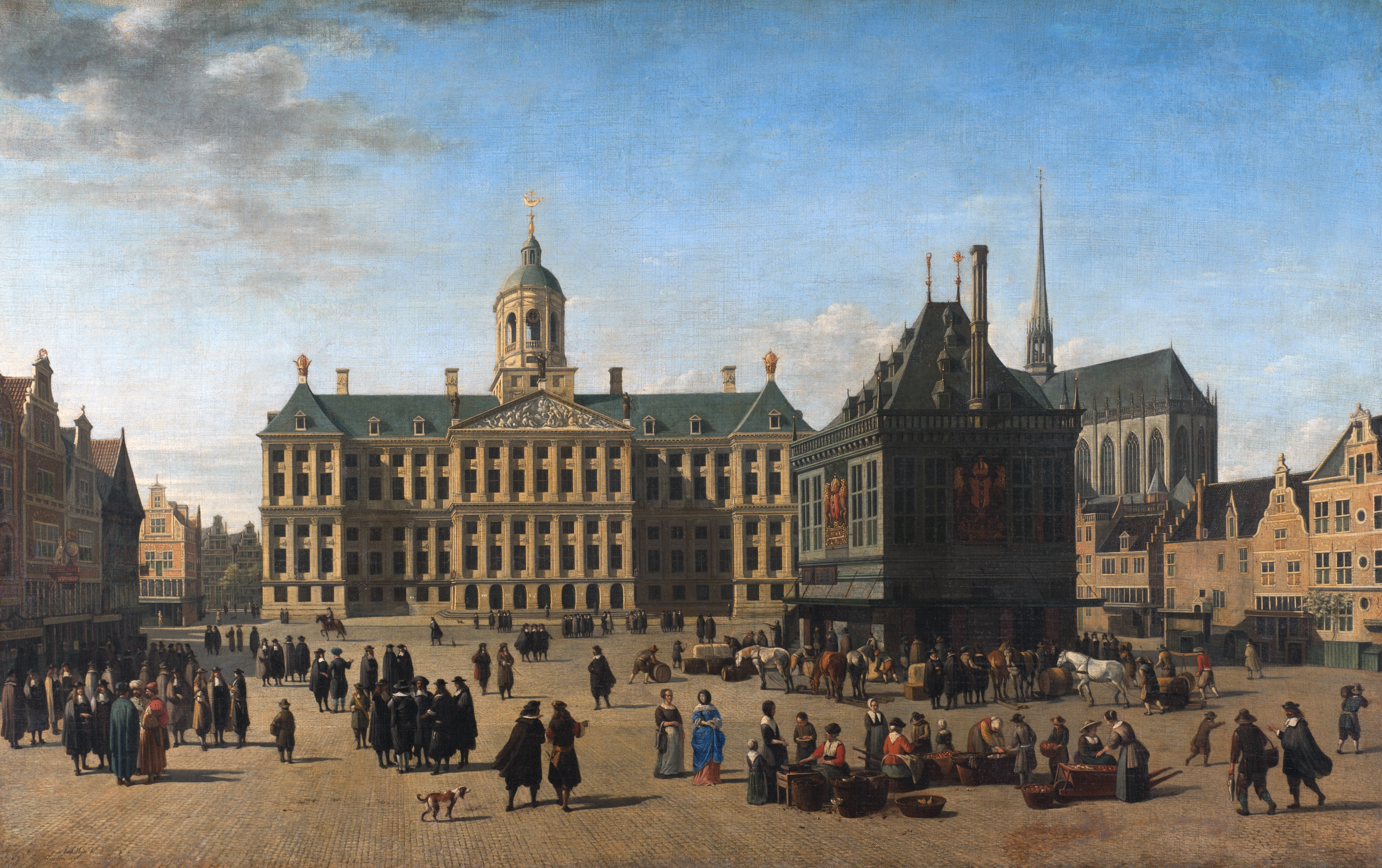
A cityscape is an artistic depiction of a city's physical form, functioning as the urban counterpart to the traditional landscape genre. It encompasses paintings, drawings, photographs, and digital renderings that capture the unique configurations of built structures, streets, and open spaces that define an urban environment. Historically, cityscapes have served not only as aesthetic representations but also as valuable historical documents, offering insights into urban development, architecture, and societal life across different eras. From the detailed Dutch Golden Age city views to contemporary photographic explorations, the cityscape genre continues to evolve, reflecting changing urban realities and artistic perspectives on the built world. Its significance lies in its ability to translate the complex, often overwhelming, human-made environment into a comprehensible and evocative visual narrative.
🎵 Origins & History
Artists like Gerrit Adriaensz Berckheyde and Jan van der Heyden meticulously rendered the burgeoning urban centers of the Netherlands, moving beyond mere topographical views to imbue their scenes with a sense of civic pride and architectural detail. Prior to this, urban settings often served as backdrops for religious or historical narratives. The rise of independent merchant classes and a growing interest in secular subjects fueled the demand for these detailed urban portraits. Movements like Impressionism and Post-Impressionism saw artists such as Claude Monet and Camille Pissarro engage with the changing urban environments of Paris, capturing the dynamism and light of boulevards and train stations. Photographers like Berenice Abbott documented the dramatic transformation of New York.
⚙️ How It Works
A cityscape functions by translating the three-dimensional, often chaotic, reality of a city into a two-dimensional visual plane. This involves careful consideration of perspective, composition, and the interplay of light and shadow to define architectural forms and spatial relationships. Artists select specific vantage points—whether from a high window, a distant hill, or street level—to frame their subject. The choice of medium, from oil paints and watercolors to digital photography and 3D modeling software, dictates the texture, detail, and overall aesthetic. Elements like building facades, street grids, public spaces, and even the human figures or vehicles within the scene are rendered to convey a particular mood or narrative, whether it's the grandeur of a metropolis or the quietude of a historic town square. The process often involves extensive observation, sketching, and photographic reference, culminating in a finished work that distills the essence of the urban experience.
📊 Key Facts & Numbers
The global art market for urban-themed art, including cityscapes, is substantial, though precise figures for 'cityscape' as a distinct sub-category are difficult to isolate. The architectural visualization industry, which produces digital cityscapes for urban planning and real estate, is projected to reach $10.5 billion by 2027. Over 75% of the world's population now lives in urban areas, providing an ever-expanding subject matter for artists and photographers. The average skyscraper height has increased by over 50% in the last 50 years, offering new vertical dimensions for urban depiction.
👥 Key People & Organizations
Key figures in the cityscape genre include Gerrit Adriaensz Berckheyde, whose 17th-century Dutch city views set an early standard for detail and realism. In the 19th century, Camille Pissarro was a prolific urban landscape painter, capturing the bustling streets of Paris. The 20th century saw photographers like Berenice Abbott and Andreas Gursky make significant contributions through their distinct lenses. Organizations such as the Metropolitan Museum of Art and the Tate Modern house vast collections featuring seminal cityscape works. Contemporary digital artists and architectural firms like BIG also produce sophisticated urban visualizations that push the boundaries of the genre.
🌍 Cultural Impact & Influence
Cityscapes have profoundly shaped our perception and understanding of urban environments. They have served as powerful tools for civic identity, as seen in the celebratory depictions of cities like Venice by artists such as Canaletto. They also function as social commentary, with artists like George Grosz using urban scenes to critique the social and political turmoil of Weimar Germany. The proliferation of urban photography on social media platforms like Instagram has democratized the cityscape, allowing millions to share their personal perspectives on city life, influencing collective visual narratives and fostering a global dialogue about urban aesthetics and experience. The very concept of a 'city brand' is often built upon curated visual representations, many of which are derived from cityscape aesthetics.
⚡ Current State & Latest Developments
The contemporary cityscape is increasingly dominated by digital mediums and photographic techniques. Drone photography and virtual reality (VR) experiences are offering unprecedented aerial and immersive perspectives on urban environments, moving beyond static representations. Artists are experimenting with generative AI to create novel urban visions, sometimes blurring the lines between human creation and algorithmic output. Photographers like Iwan Baan continue to document the evolving relationship between people and their built surroundings, often focusing on the informal aspects of urban life. The rise of 'data visualization' also presents a new form of cityscape, where abstract data about traffic flow, population density, or environmental factors are rendered into visual urban forms, offering analytical rather than purely aesthetic insights. The ongoing global trend of urbanization ensures a continuous stream of new urban landscapes to capture and interpret.
🤔 Controversies & Debates
Debates surrounding the cityscape often revolve around authenticity and representation. Critics question whether a static image can truly capture the dynamic, lived experience of a city, or if it merely presents a curated, idealized, or even alienating view. The role of digital manipulation and AI-generated imagery also sparks controversy, raising questions about authorship and the potential for creating hyperreal or misleading urban visions. Furthermore, the economic forces driving urban development—often depicted in cityscapes—can be a point of contention, with some arguing that certain cityscapes inadvertently glorify gentrification or the displacement of communities. The very definition of a 'city' is also debated, as sprawling metropolises challenge traditional notions of urban form and density, leading to discussions about whether 'suburban landscapes' or 'exurban sprawl' constitute a new form of cityscape.
🔮 Future Outlook & Predictions
The future of the cityscape will likely be shaped by advancements in augmented reality (AR) and virtual reality (VR) technologies, enabling interactive and dynamic urban representations. As cities become 'smarter' with integrated sensor networks, artists may find new ways to visualize complex urban data streams in real-time, creating living cityscapes. The increasing impact of climate change on urban environments—rising sea levels, extreme weather—will undoubtedly become a more prominent theme, leading to cityscapes that depict altered or threatened urban futures. We can also anticipate a greater focus on the human element within urban spaces, moving beyond purely architectural renderings to explore the social ecologies and lived experiences that define a city. The rise of decentralized autonomous organizations (DAOs) and blockchain technology might even influence how urban spaces are collectively envisioned and represented in the digital realm.
💡 Practical Applications
Cityscapes have numerous practical applications beyond their artistic merit. In urban planning and architecture, they are indispensable tools for visualizing proposed developments, communicating design intent to stakeholders, and assessing the visual impact of new structures on the existing urban fabric. Real estate developers utilize high-quality cityscapes and [[architectural visualization|architectural visu
Key Facts
- Category
- aesthetics
- Type
- topic