
Contents
- 🎵 Origins & History
- ⚙️ The Art of Gifting Chocolate
- 📊 Market & Scale
- 👥 Key Players in Chocolate Gifting
- 🌍 Cultural Significance
- ⚡ Modern Trends in Chocolate Gifting
- 🤔 Ethical Considerations & Debates
- 🔮 The Future of Chocolate Gifting
- 💡 Occasions for Chocolate Gifts
- 📚 Related Topics & Deeper Reading
- References
Overview
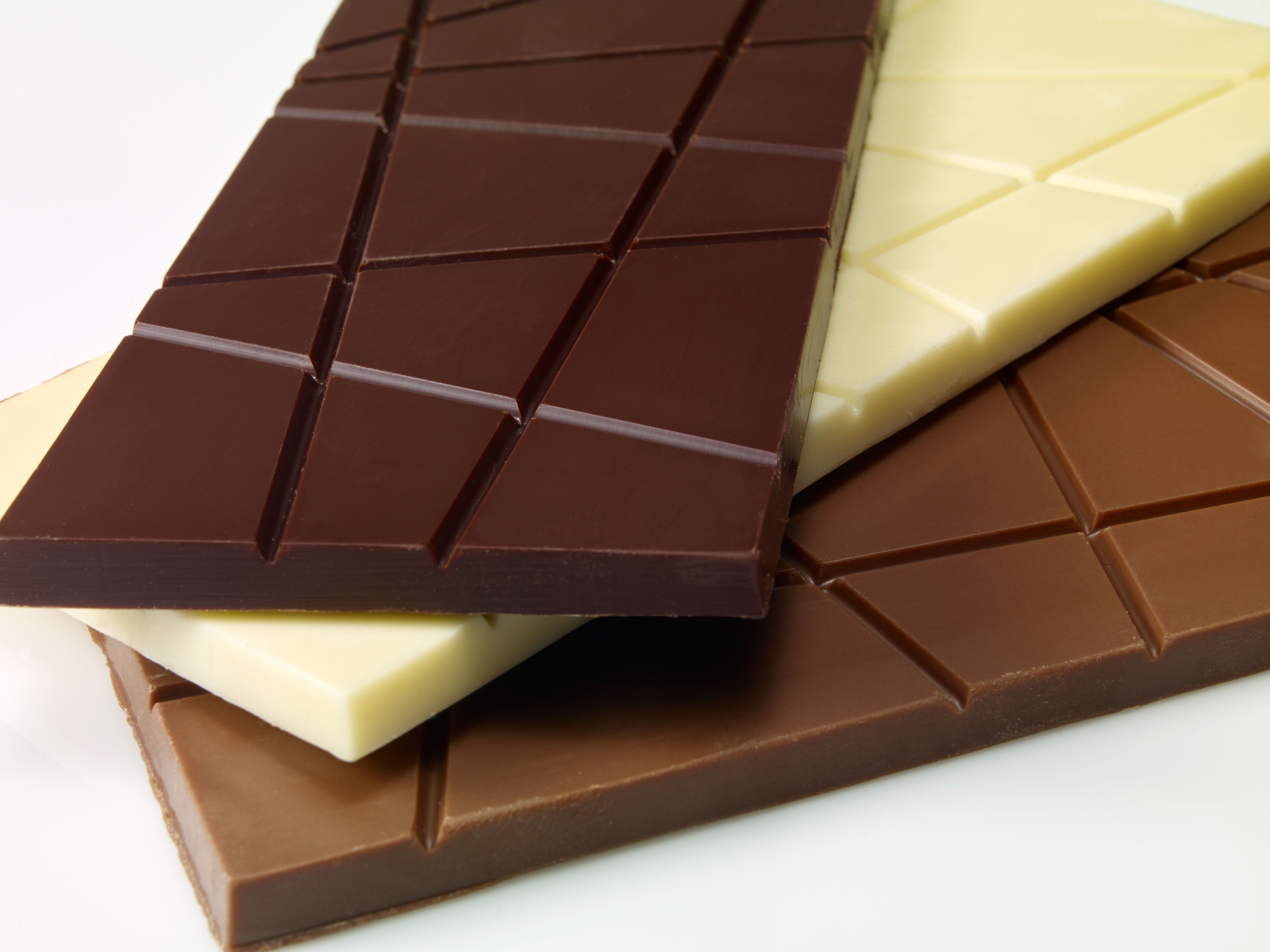
Chocolate gifts transcend mere confectionery, embodying centuries of tradition, luxury, and affection. Originating from the sacred cacao bean used by Mesoamerican civilizations like the Maya and Aztecs, chocolate has evolved from a bitter, ceremonial drink to a globally cherished symbol of celebration and appreciation. Today, the market for chocolate gifts is a multi-billion dollar industry, encompassing everything from artisanal bars and elaborate truffles to custom-designed assortments. These gifts serve diverse purposes, from romantic gestures and expressions of gratitude to corporate acknowledgments and holiday traditions, reflecting chocolate's unique ability to convey emotion and create memorable experiences. The sheer variety available, from single-origin dark chocolates to decadent milk chocolate creations, ensures a perfect chocolate gift for virtually any occasion and recipient, solidifying its status as a perennial favorite in the gifting landscape.
🎵 Origins & History
The story of chocolate gifts begins not with sweet bars, but with the bitter, potent brews of Mesoamerica. Theobroma cacao is the scientific name for the cacao tree. Cacao beans were used in religious ceremonies, as a form of currency, and as a beverage, often spiced with chili peppers and other aromatics, consumed by nobility and warriors. Chocolate began its transformation into the sweet, accessible treat we know today, paving the way for its eventual role as a popular gift.
⚙️ The Art of Gifting Chocolate
Gifting chocolate is an intricate dance between the quality of the chocolate itself and the presentation. The selection process involves considering the recipient's preferences—whether they favor rich, dark chocolate, creamy milk chocolate, or innovative flavor combinations. Artisanal chocolatiers like Valrhona and Godiva have elevated chocolate gifting by focusing on single-origin beans, unique inclusions like sea salt or exotic fruits, and exquisite craftsmanship. Packaging plays a crucial role, transforming a simple box of chocolates into a luxurious experience, with elegant boxes, ribbons, and personalized notes enhancing the perceived value and emotional impact. The act of choosing and presenting a chocolate gift is often as meaningful as the chocolate itself, conveying thoughtfulness and care.
📊 Market & Scale
The global chocolate market is immense, with the gifting segment representing a significant portion. The premium and artisanal chocolate gift sector, in particular, has seen robust expansion, driven by consumer demand for higher quality ingredients and unique experiences. This economic scale underscores chocolate's enduring appeal as a universally understood and appreciated present.
👥 Key Players in Chocolate Gifting
Several key individuals and organizations have shaped the landscape of chocolate gifting. Companies such as The Hershey Company have democratized chocolate consumption, making it accessible to the masses. In the luxury segment, brands like Neuhaus and La Maison du Chocolat have built empires on the art of fine chocolate gifting. More recently, direct-to-consumer brands and subscription box services like Ghirardelli and smaller, independent chocolatiers have leveraged online platforms to reach a global audience, offering curated selections and personalized experiences.
🌍 Cultural Significance
Across cultures, chocolate gifts carry distinct symbolic weight. In Western traditions, chocolate is a near-ubiquitous token of affection, particularly on Valentine's Day. For holidays like Christmas and Easter, chocolate eggs, bunnies, and elaborate assortments become festive staples. In some Asian cultures, chocolate gifts are also used to express gratitude and respect, sometimes incorporated into business dealings. The act of sharing chocolate can foster connection and create shared moments of pleasure, transcending language barriers and cultural differences. Its rich, complex flavor profile is often seen as mirroring the depth of emotions it's intended to convey.
⚡ Modern Trends in Chocolate Gifting
The modern chocolate gift landscape is increasingly defined by personalization and ethical sourcing. Consumers are seeking out chocolates with unique flavor profiles, such as those infused with lavender, chili, or matcha, and are increasingly interested in the origin of their cacao. Brands are responding with customizable gift boxes, where recipients can select their preferred flavors, and with transparent sourcing initiatives that highlight fair labor practices and sustainable farming methods. The rise of vegan and allergen-free chocolate options also caters to a broader range of dietary needs, expanding the inclusivity of chocolate gifting. Subscription services that deliver curated boxes monthly are also gaining traction, offering a continuous stream of chocolate discovery.
🤔 Ethical Considerations & Debates
The production of chocolate, particularly cacao farming, is fraught with ethical challenges. Concerns over child labor, unfair wages for farmers, and deforestation have led to increased scrutiny of the chocolate industry. Organizations like Fairtrade International and Rainforest Alliance work to certify chocolate that meets certain ethical and environmental standards, but the issue remains complex. Debates also arise around the health implications of consuming chocolate, particularly mass-produced varieties high in sugar and fat, versus the potential benefits of dark chocolate rich in antioxidants. The definition of 'luxury' in chocolate gifting is also debated, with some arguing for artisanal craftsmanship and others for brand prestige.
🔮 The Future of Chocolate Gifting
The future of chocolate gifts points towards hyper-personalization and enhanced sensory experiences. Expect to see more AI-driven recommendations for chocolate pairings based on individual taste profiles and even the integration of augmented reality to enhance the unboxing experience. Sustainable and regenerative agriculture practices for cacao will likely become even more critical, with brands emphasizing their positive environmental and social impact. Furthermore, the exploration of novel cacao varieties and fermentation techniques will continue to push the boundaries of flavor, offering connoisseurs new and exciting gifting options. The integration of chocolate into other gifting categories, such as curated gift baskets with complementary items like wine or artisanal coffee, will also likely grow.
💡 Occasions for Chocolate Gifts
Chocolate gifts are versatile, suitable for a wide array of occasions. They are a classic choice for Valentine's Day, expressing romantic love. For birthdays, they offer a sweet indulgence. During the holidays, especially Christmas and Easter, chocolate becomes a festive staple. They serve as tokens of appreciation for teachers, colleagues, or hosts, and are frequently used in corporate gifting to acknowledge clients and employees. Even simple gestures of comfort or congratulations can be amplified by the thoughtful presentation of a fine chocolate. The universal appeal of chocolate makes it a safe yet impactful choice when unsure of a recipient's specific tastes.
Key Facts
- Category
- culture
- Type
- topic