
Contents
- 🎵 Origins & History
- ⚙️ How It Works
- 📊 Key Facts & Numbers
- 👥 Key People & Organizations
- 🌍 Cultural Impact & Influence
- ⚡ Current State & Latest Developments
- 🤔 Controversies & Debates
- 🔮 Future Outlook & Predictions
- 💡 Practical Applications
- 📚 Related Topics & Deeper Reading
- Frequently Asked Questions
- References
- Related Topics
Overview
Chamber music is an expressive form of art. From its origins to modern-day concert halls, chamber music has evolved to include a wide range of instruments and styles, yet remains an intimate and expressive form of art. Today, chamber music continues to thrive, with many musicians and ensembles dedicated to preserving and innovating the tradition. With its unique blend of technical skill and emotional expression, chamber music remains a beloved and enduring part of classical music heritage.
🎵 Origins & History
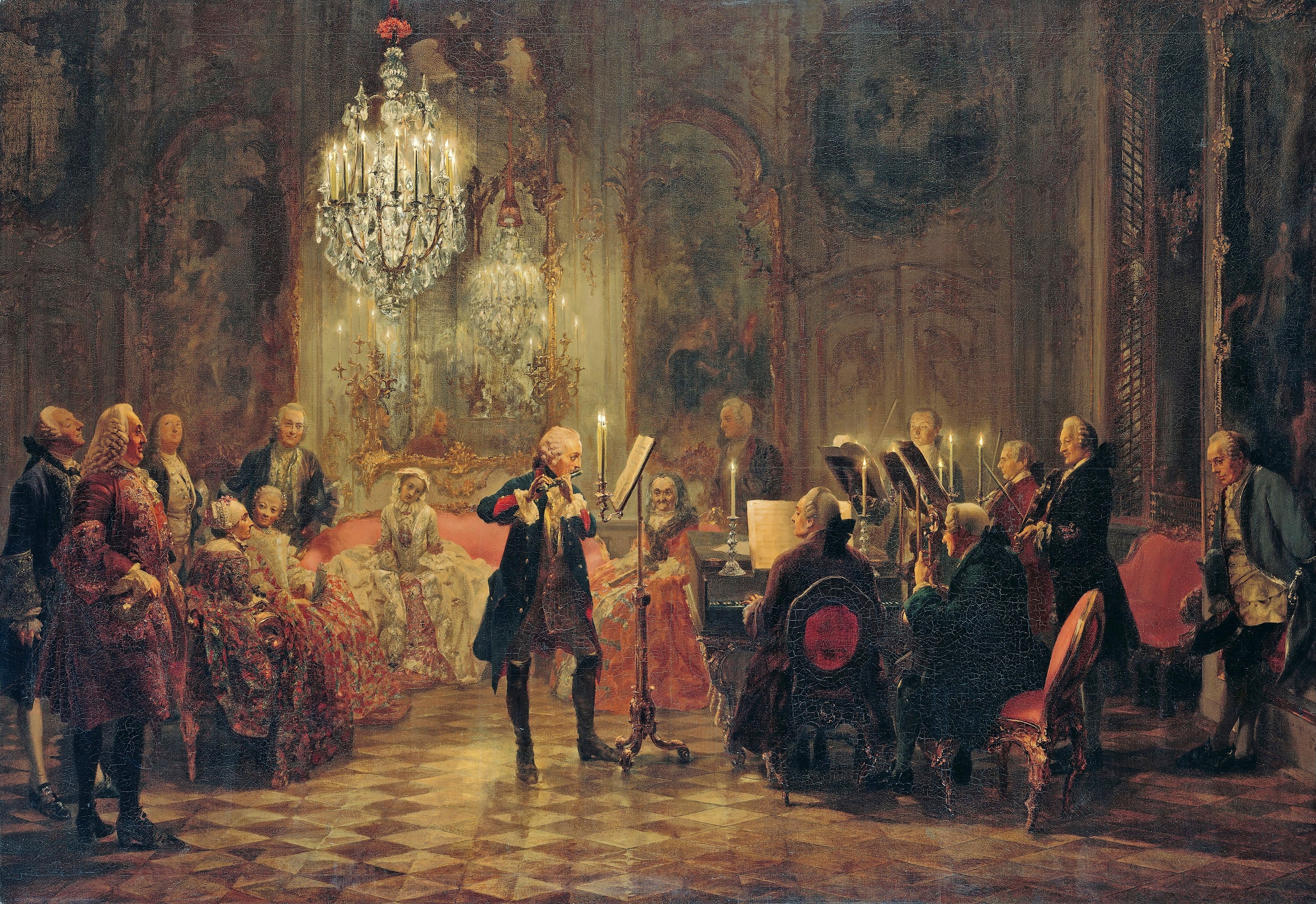
This intimate setting allowed for a unique level of expressiveness and communication between musicians, earning chamber music the nickname 'the music of friends'. As the genre evolved, it branched out to include a wide range of instruments and styles, from string quartets to piano trios.
⚙️ How It Works
The mechanics of chamber music are characterized by a small number of musicians, typically one per part, performing together in a cohesive unit. This requires a high level of technical skill, as well as social skills like communication and teamwork. Chamber music ensembles often rehearse and perform together regularly, developing a strong bond and sense of camaraderie.
📊 Key Facts & Numbers
Some key facts about chamber music include its diverse range of instruments and styles, from the violin and cello to the piano and flute. Chamber music has also been influenced by various cultural and historical contexts.
👥 Key People & Organizations
Key people in the world of chamber music include musicians who have dedicated their careers to performing and promoting the genre. Organizations also play a crucial role in supporting and preserving chamber music. The Juilliard School and the Curtis Institute are also notable institutions that provide training and education for aspiring chamber musicians.
🌍 Cultural Impact & Influence
Chamber music has had a profound impact on culture and society, providing a unique platform for musicians to connect with each other and with their audiences. The genre has also been influenced by various social and historical contexts.
⚡ Current State & Latest Developments
Today, chamber music continues to thrive, with many musicians and ensembles dedicated to preserving and innovating the tradition. The genre has also been influenced by modern technologies, such as digital recording and social media, which have expanded its reach and accessibility.
🤔 Controversies & Debates
Despite its many benefits, chamber music has also been the subject of controversy and debate. Some critics argue that the genre is elitist and exclusive, while others see it as a vital part of classical music heritage. The music education system has also been criticized for not providing adequate training and support for aspiring chamber musicians.
🔮 Future Outlook & Predictions
Looking to the future, chamber music is likely to continue evolving and adapting to changing social and cultural contexts. The genre has already been influenced by a wide range of styles and traditions, from jazz to folk music. As technology continues to advance, it is likely that chamber music will become even more accessible and diverse, with new platforms and initiatives emerging to promote and preserve the art form.
💡 Practical Applications
Chamber music has many practical applications, from providing a platform for musicians to connect with each other and with their audiences, to promoting social change and understanding. The genre has also been used in music therapy and music education, providing a unique and effective way to teach musical skills and promote emotional expression.
Key Facts
- Category
- culture
- Type
- concept
Frequently Asked Questions
What is chamber music?
Chamber music is an expressive form of art.
What are some common instruments used in chamber music?
Some common instruments used in chamber music include the violin, cello, piano, and flute.
How has chamber music evolved over time?
Chamber music has evolved significantly over time, from its origins to the present day. The genre has been influenced by a wide range of styles and traditions.
What is the role of chamber music in modern society?
Chamber music plays a vital role in modern society, providing a platform for musicians to connect with each other and with their audiences.
What are some practical applications of chamber music?
Chamber music has many practical applications, from providing a platform for musicians to connect with each other and with their audiences, to promoting social change and understanding.