
Contents
Overview
The understanding of cardiac arrest stretches back to antiquity, with early physicians like Galen recognizing the heart's central role in circulation. However, the concept of a sudden, electrical failure wasn't truly grasped until the advent of electrophysiology in the late 19th and early 20th centuries. Pioneers like Willem Einthoven, who developed the electrocardiogram (ECG) in 1903, provided the tools to visualize the heart's electrical activity, laying the groundwork for diagnosing arrhythmias. The term 'sudden cardiac arrest' gained prominence as medical science advanced, distinguishing it from other forms of cardiac death. Early resuscitation efforts were often crude, but the development of cardiopulmonary resuscitation (CPR) techniques by Peter Safar and others in the mid-20th century, followed by the invention of the automated external defibrillator (AED) in the 1970s, revolutionized emergency response.
⚙️ How It Works
Cardiac arrest occurs when the heart's electrical system malfunctions, causing it to quiver ineffectively (ventricular fibrillation) or stop beating altogether (asystole). This electrical chaos prevents the heart from pumping blood to the brain and other organs. The immediate consequence is a rapid drop in blood pressure and oxygen supply. Without oxygen, brain cells begin to die within minutes, leading to loss of consciousness and cessation of breathing. The underlying causes are diverse, ranging from coronary artery disease and heart attacks to genetic conditions like Long QT syndrome and hypertrophic cardiomyopathy. The body's response is a cascade of failure, where the lack of oxygenated blood triggers a systemic shutdown.
📊 Key Facts & Numbers
Globally, an estimated 356,000 out-of-hospital cardiac arrests (OHCA) occur annually in the United States alone, with survival rates hovering around 10-12% in many regions. In Europe, the figure is estimated at over 400,000 OHCA cases per year. Survival rates for in-hospital cardiac arrests are generally higher, often exceeding 20-25%, due to immediate access to medical personnel and equipment. For every minute without CPR and defibrillation, the chance of survival decreases by approximately 10%. The economic burden is substantial, with healthcare costs associated with cardiac arrest and its aftermath running into billions of dollars annually worldwide.
👥 Key People & Organizations
Key figures in understanding and combating cardiac arrest include Bernard Lown, a cardiologist who championed the use of defibrillators, and William B. Kouwenhoven pioneered closed-chest CPR in the 1960s. Organizations like the American Heart Association (AHA) and the European Resuscitation Council (ERC) are pivotal in setting resuscitation guidelines and promoting public awareness. The Resuscitation Quality Improvement (ReQI) Program by the AHA focuses on standardizing CPR training and improving outcomes. Research institutions like the Mayo Clinic and Cleveland Clinic are at the forefront of developing new treatments and understanding the underlying pathophysiology.
🌍 Cultural Impact & Influence
Cardiac arrest has permeated popular culture, often depicted dramatically in television shows and movies, sometimes inaccurately portraying the speed of recovery or the immediate aftermath. The phrase 'flatlining' on an ECG monitor has become synonymous with death, though it represents a specific, albeit dire, cardiac arrest rhythm. Public awareness campaigns, often spearheaded by organizations like the Movember Foundation (which has expanded into men's health beyond prostate cancer) and the AHA, have significantly increased public knowledge about CPR and AED use. The visibility of celebrities experiencing or succumbing to cardiac events, such as Damar Hamlin's collapse during an NFL game in 2023, can spark renewed public interest and calls for improved emergency preparedness.
⚡ Current State & Latest Developments
Current research is intensely focused on improving survival rates through advanced resuscitation techniques and post-arrest care. Developments include targeted therapeutic hypothermia to protect the brain, mechanical CPR devices like the Lucas chest compression device, and wearable technology that can detect arrhythmias and alert emergency services. The integration of artificial intelligence in analyzing ECG data and predicting risk is also a rapidly growing area. Furthermore, efforts are underway to expand bystander CPR training and increase the accessibility of AEDs in public spaces, aiming to create 'chain of survival' networks in communities worldwide.
🤔 Controversies & Debates
A significant debate revolves around the optimal timing and intensity of CPR, as well as the precise protocols for post-arrest care. Some argue that current survival rates for OHCA remain unacceptably low, necessitating a radical overhaul of emergency medical systems. Others point to the success of targeted interventions and advocate for wider implementation of existing best practices. There's also ongoing discussion about the ethical implications of aggressive resuscitation efforts in patients with poor prognoses and the criteria for withdrawing care. The debate over the effectiveness and accessibility of public AED programs also continues, with questions about maintenance, training, and liability.
🔮 Future Outlook & Predictions
The future of cardiac arrest management likely involves personalized risk assessment using genetic markers and advanced imaging, coupled with widespread deployment of AI-powered early warning systems. Wearable biosensors could continuously monitor cardiac electrical activity, triggering alerts and automated CPR devices before collapse. Advanced therapies, including gene editing and regenerative medicine, may offer novel ways to treat underlying cardiac conditions that predispose individuals to arrest. The goal is to shift from reactive emergency response to proactive prevention and immediate, automated intervention, drastically improving survival and neurological outcomes.
💡 Practical Applications
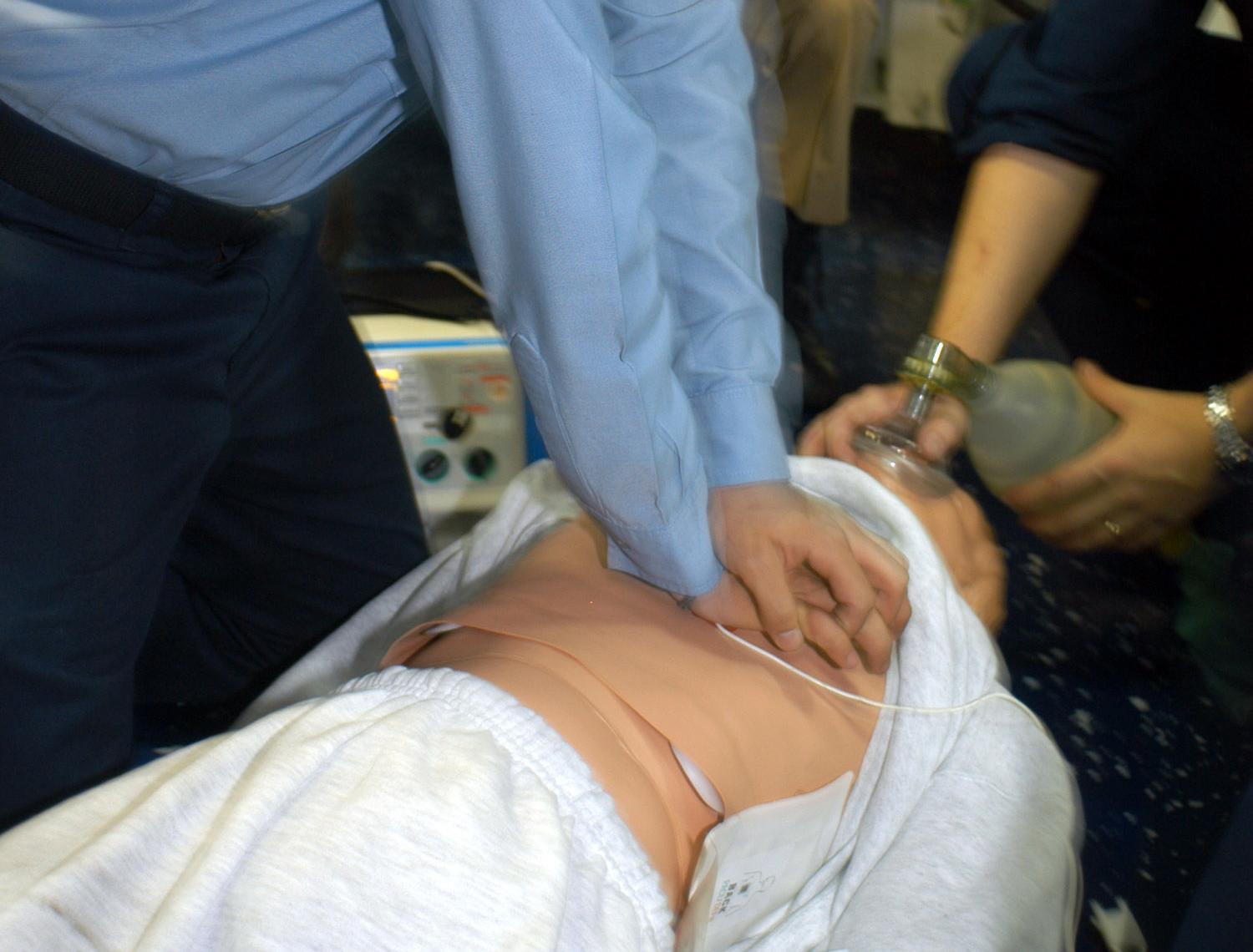
The most critical application of understanding cardiac arrest is the immediate implementation of the 'chain of survival': early recognition and activation of emergency medical services, early CPR, early defibrillation with an AED, and early advanced care. Public access defibrillation programs aim to place AEDs in schools, airports, shopping malls, and other public venues. CPR training is now a standard requirement in many professions and is increasingly offered to the general public through community programs and online modules. Medical professionals utilize advanced cardiac life support (ACLS) protocols, which include advanced airway management, medications, and continuous ECG monitoring.
Key Facts
- Category
- science
- Type
- phenomenon