
Contents
Overview
Cannibalism, the act of humans consuming the flesh of other humans, is a practice woven through millennia of human history, often entangled with ritual, survival, and warfare. While universally condemned in contemporary global society, its historical manifestations range from the deeply spiritual endocannibalism (consuming one's own kin) to the brutal exocannibalism (consuming enemies). Understanding cannibalism requires navigating a complex web of cultural beliefs, ecological pressures, and psychological drivers, challenging our modern sensibilities about life, death, and the boundaries of humanity. Vibepedia maps its enduring presence in folklore, its rare but documented modern instances, and the intense psychological and ethical debates it continues to ignite.
🍽️ What Exactly Is Cannibalism?
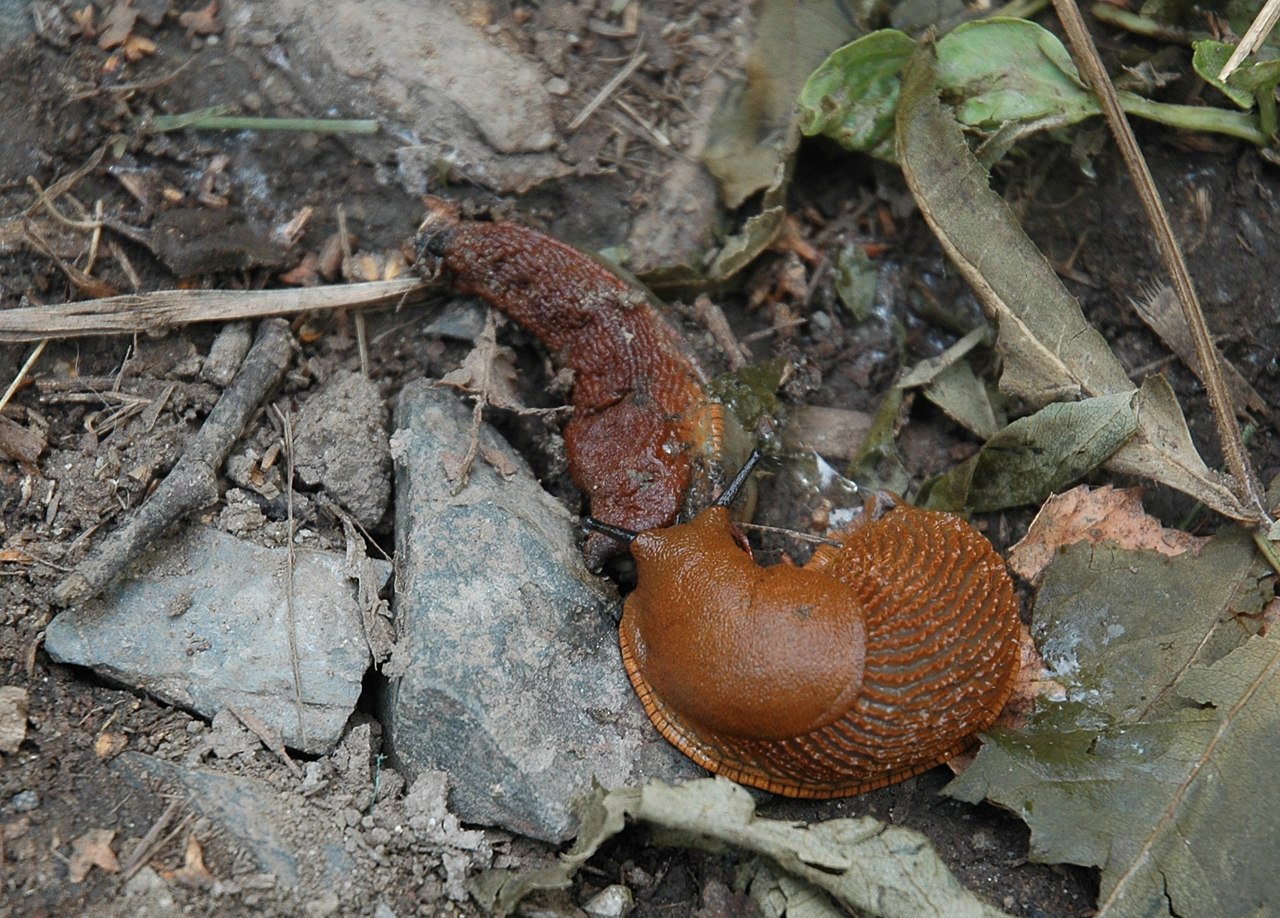
Cannibalism, at its most fundamental, is the act of consuming another individual of the same species as food. While often sensationalized, it's a surprisingly common ecological strategy in the animal kingdom, observed in over 1,500 species, from insects to primates. In humans, the practice, known as anthropophagy, has a complex and often misunderstood history, appearing in various cultural contexts across the globe, both historically and, in rare instances, in contemporary societies.
🌍 Historical & Cultural Footprints
The historical record of human cannibalism is extensive, though often filtered through colonial narratives and biased accounts. Archaeological evidence, such as cut marks on human bones, suggests ritualistic or survival-based consumption in prehistoric societies. Anthropological studies have documented practices ranging from the Fore people and their ritualistic consumption of deceased relatives (kuru) to the alleged practices of groups like the Aztecs or certain Native American tribes during times of warfare or famine. The interpretation of this evidence remains a subject of intense scholarly debate.
⚖️ The Ethical Minefield
Ethically, cannibalism plunges into one of humanity's deepest taboos. The act challenges fundamental notions of respect for the dead, bodily integrity, and the sanctity of human life. While survival cannibalism, like that seen in the Andes flight disaster, elicits a degree of understanding, ritualistic or predatory cannibalism is almost universally condemned. The ethical frameworks surrounding the practice are deeply intertwined with cultural values and religious beliefs, making a universal ethical judgment incredibly difficult.
🔬 Scientific Perspectives
From a scientific standpoint, cannibalism is viewed through multiple lenses. Evolutionary biologists see it as a potential strategy for resource acquisition, population control, or even disease transmission (as seen with kuru linked to prion diseases). Sociologists and anthropologists examine it as a social phenomenon, exploring its role in ritualistic practices, warfare, and the construction of group identity. Geneticists might study patterns of gene flow in populations where cannibalism was historically prevalent.
🎭 Cannibalism in Media & Art
Cannibalism has a potent and often disturbing presence in human culture, particularly in literature and film. From the gruesome depictions in horror genres to more nuanced explorations of the taboo in art and mythology, it serves as a powerful symbol of transgression, the breakdown of social order, or the ultimate act of dehumanization. Works like Hannibal Lecter series or historical accounts of Elizabeth Báthory continue to fascinate and horrify audiences, reflecting a deep-seated cultural anxiety.
❓ Controversies & Debates
The debates surrounding cannibalism are as varied as its manifestations. Key controversies include the extent to which historical accounts are reliable versus colonial propaganda, the precise motivations behind specific instances of the practice (survival vs. ritual vs. predation), and the ethical implications of studying or even discussing such a taboo subject. The classification of certain historical groups as 'cannibalistic' has also been used to justify colonial subjugation, making the academic and public discourse highly sensitive.
💡 Understanding the 'Why'
Understanding the 'why' behind cannibalism requires a multi-pronged approach. Survival cannibalism, driven by extreme starvation, is a primal response to preserve life. Ritualistic cannibalism can serve various purposes: honoring the dead, absorbing the strength of the deceased, or as a form of warfare and intimidation. Predatory cannibalism, often associated with psychopathy, is driven by a desire to dominate or consume another. Each context demands a distinct analytical framework.
📖 Further Exploration
For those seeking to understand the complexities of anthropophagy beyond sensationalism, a wealth of academic resources exists. Delving into the works of anthropologists like William Arens (whose book The Man-Eating Myth challenged many colonial assumptions) or examining archaeological studies of human bone modification can provide deeper insights. Exploring the psychology of taboo and the cultural construction of disgust offers further avenues for comprehension.
Key Facts
- Year
- -100000
- Origin
- Prehistory
- Category
- Anthropology & Sociology
- Type
- Topic
Frequently Asked Questions
Is cannibalism common in the animal kingdom?
Yes, cannibalism is surprisingly common in the animal kingdom, with documented cases in over 1,500 species. It serves various ecological functions, such as resource acquisition or population control. This contrasts sharply with the strong taboo surrounding human cannibalism, though even in humans, it has occurred under specific circumstances.
What is the difference between survival cannibalism and ritualistic cannibalism?
Survival cannibalism is driven by extreme starvation, where individuals consume human flesh out of necessity to stay alive, as seen in disaster scenarios. Ritualistic cannibalism, on the other hand, is performed as part of cultural or religious practices, often with symbolic meaning, such as honoring the dead or absorbing their perceived strength.
Are there any modern examples of human cannibalism?
While extremely rare and often sensationalized, isolated incidents of human cannibalism have been reported in modern times, typically linked to extreme survival situations, severe mental illness, or criminal acts. These instances are not representative of any widespread cultural practice and are universally condemned.
How is cannibalism viewed legally?
In most legal systems, cannibalism itself is not a specific crime. However, the acts that typically lead to it, such as murder, desecration of a corpse, or the illegal acquisition of human remains, are severely criminalized. The legal focus is on the violation of laws concerning the deceased and the act of violence, rather than the consumption itself.
What is the 'Man-Eating Myth'?
The 'Man-Eating Myth' is a concept popularized by anthropologist William Arens, who argued that many historical accounts of widespread cannibalism were exaggerated or fabricated by colonial powers to justify conquest and subjugation of indigenous populations. His work challenged the notion that cannibalism was a common practice among many non-Western societies.
Can eating human flesh transmit diseases?
Yes, consuming human flesh can transmit diseases, particularly prion diseases. The most well-known example is kuru, a fatal neurodegenerative disease that affected the Fore people due to their ritualistic endocannibalism (eating the flesh of their own relatives). Prions are misfolded proteins that can cause other proteins to misfold, leading to severe neurological damage.