
Contents
Overview
Campus planning is the strategic discipline of designing, developing, and managing the physical environment of educational institutions and corporate headquarters. It involves a complex interplay of architecture, urban design, landscape architecture, infrastructure, and social programming to create spaces that foster learning, research, community, and productivity. Historically rooted in the collegiate gothic styles of early universities, campus planning has evolved to address modern needs, including sustainability, technological integration, student well-being, and flexible work environments. Key considerations include site analysis, space utilization, circulation patterns, building placement, and the creation of vibrant public realms. As institutions grow and corporate models shift, campus planning remains critical for optimizing resource allocation, enhancing user experience, and projecting institutional identity, with contemporary challenges focusing on climate resilience and adaptive reuse of existing structures. The scale can range from small liberal arts colleges to sprawling research universities and vast corporate campuses like Googleplex.
🎵 Origins & History
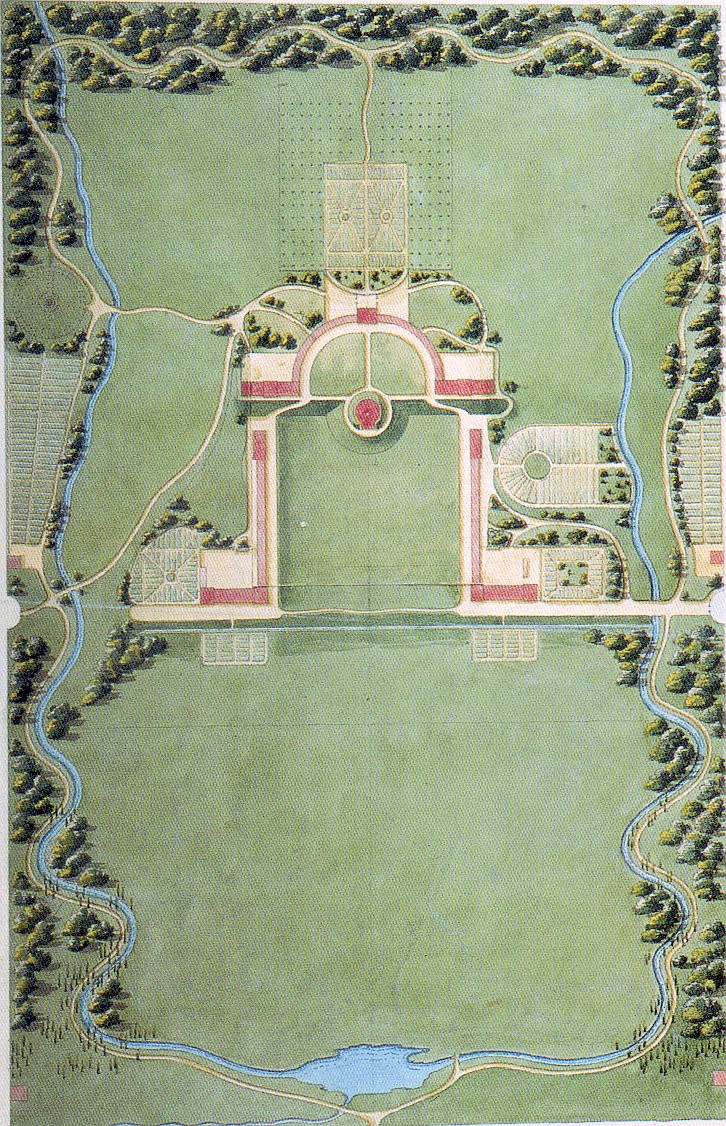
The genesis of campus planning can be traced back to the monastic cloisters and medieval universities of Europe, where the layout of colleges like Oxford and Cambridge established precedents for academic precincts. The Enlightenment and the subsequent rise of the American university model in the 19th century, influenced by figures like Thomas Jefferson's design for the University of Virginia, emphasized axial symmetry and monumental architecture. The 20th century saw the emergence of distinct planning philosophies, from the picturesque ideals of the City Beautiful Movement applied to campuses, to the functionalist approaches of modernism. Post-World War II expansion, driven by increased enrollment and federal funding, necessitated large-scale master planning. The rise of the corporate campus, adapted these principles for industrial and technological innovation, creating self-contained environments for research and development.
⚙️ How It Works
Campus planning operates through a multi-stage process, beginning with comprehensive site analysis and needs assessment, often involving extensive stakeholder engagement with students, faculty, staff, and administrators. Master plans are developed, outlining long-term visions for growth, infrastructure upgrades, and building placement. This involves detailed spatial programming to determine the square footage and functional requirements for various academic, residential, athletic, and administrative facilities. Circulation planning addresses pedestrian, vehicular, and transit movement, aiming to create safe, efficient, and accessible pathways. Landscape architecture plays a crucial role in defining outdoor spaces, managing stormwater, and enhancing biodiversity, while infrastructure planning ensures adequate provision of utilities, telecommunications, and energy. The process often culminates in detailed architectural guidelines and zoning regulations to ensure cohesive development and maintain the campus's aesthetic and functional integrity, as seen in the rigorous design standards at Stanford University.
📊 Key Facts & Numbers
Globally, there are over 25,000 institutions of higher education, each with unique campus footprints. The cost of new campus construction or major renovations can range from tens of millions to over a billion dollars. Approximately 70% of universities in the US have a formal master plan guiding their physical development, a figure that has steadily increased since the 1980s. The global market for higher education construction is projected to reach over $1 trillion by 2027, underscoring the immense scale of campus development.
👥 Key People & Organizations
Key figures in campus planning include architects and planners who have shaped iconic institutions. Organizations like the Association of University Architects and Planners (AUAP) and the Society for College and University Planning (SCUP) are vital professional bodies that promote best practices and knowledge sharing. Major architectural and planning firms, such as Perkins&Will and Gensler, regularly undertake large-scale campus projects for institutions like NYU and UT Austin. The National Association of College and University Business Officers (NACUBO) also plays a role in advising on financial aspects of campus development.
🌍 Cultural Impact & Influence
Campus planning profoundly influences the culture and identity of an institution. The layout can foster or hinder social interaction, academic collaboration, and a sense of community. A well-designed campus can enhance student recruitment and retention, attract top faculty, and project an image of prestige and innovation, as seen with the aspirational designs at Yale University. Conversely, poorly planned or outdated campuses can feel isolating or inefficient, impacting the overall user experience. The integration of green spaces and sustainable design principles, championed by institutions like the University of British Columbia, reflects and shapes institutional values. Corporate campuses, in particular, are designed to embody company culture, boost employee morale, and facilitate innovation, with Pixar's campus in Emeryville, California, being a prime example of a space designed to foster creativity.
⚡ Current State & Latest Developments
Current campus planning trends are heavily influenced by the need for sustainability, resilience, and adaptability. Institutions are increasingly focused on achieving net-zero energy goals, incorporating green infrastructure for stormwater management, and utilizing adaptive reuse of existing buildings to reduce environmental impact and preserve historical character. The rise of hybrid work and flexible learning models is prompting a rethinking of space utilization, with a greater emphasis on collaborative zones, technology-enabled classrooms, and multi-functional spaces. Smart campus technologies, including IoT sensors for building management and data analytics for space optimization, are becoming more prevalent. Post-pandemic planning also emphasizes health and safety, with considerations for improved ventilation, touchless technologies, and flexible layouts that can accommodate public health protocols, as seen in recent planning at Harvard University.
🤔 Controversies & Debates
One of the most persistent debates in campus planning revolves around the tension between historical preservation and modernization. Critics argue that prioritizing historic buildings can stifle necessary expansion and the adoption of contemporary design, while proponents emphasize the irreplaceable cultural and aesthetic value of heritage structures. Another controversy concerns the increasing privatization and commercialization of campus spaces, with concerns that student life and academic focus are being overshadowed by retail, entertainment, and corporate partnerships. The equity implications of campus development are also debated; questions arise about whether new developments serve all members of the campus community equally or exacerbate existing inequalities. Furthermore, the environmental impact of large-scale construction and the ethical considerations of land use and resource consumption remain significant points of contention, particularly for institutions located in urban or ecologically sensitive areas.
🔮 Future Outlook & Predictions
The future of campus planning will likely be shaped by increasing demands for flexibility, sustainability, and technological integration. We can expect a continued shift towards mixed-use developments that blur the lines between academic, residential, and commercial functions, creating more vibrant, 24/7 environments. The concept of the 'agile campus' will gain traction, with buildings and spaces designed for rapid reconfiguration to meet evolving pedagogical and research needs. Climate resilience will become a paramount concern, driving inno
💡 Practical Applications
Campus planning finds practical application in the development of new university facilities, the revitalization of existing campuses, and the design of corporate headquarters. It guides the creation of student housing, academic buildings, research laboratories, athletic complexes, and public spaces. For instance, the design of a new engineering building would involve analyzing space needs for labs and classrooms, planning for specialized infrastructure, and integrating it aesthetically with the surrounding campus. Similarly, a corporate campus plan might focus on optimizing workflow, fostering collaboration through shared amenities, and creating an environment that reflects the company's brand and values. The principles are applied across diverse scales, from small liberal arts colleges to large public universities and expansive corporate campuses.
Key Facts
- Category
- aesthetics
- Type
- topic