
Contents
Overview
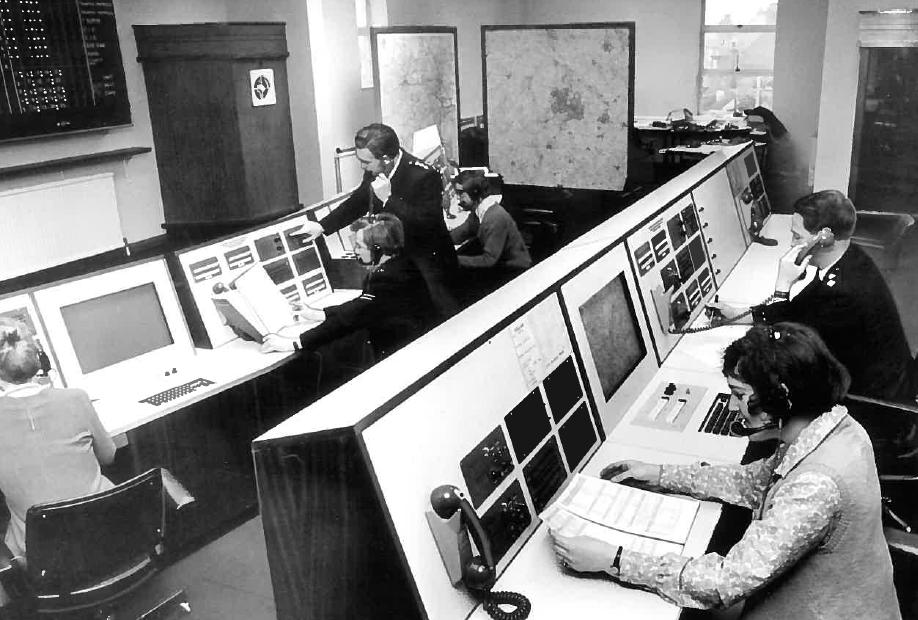
The genesis of the call center can be traced back to the mid-20th century with the advent of automated telephone switching systems and the burgeoning need for centralized customer service. Early precursors involved manual switchboards, but the true concept of a dedicated call center began to solidify in the 1960s and 1970s as companies like American Express and AT&T recognized the efficiency gains of consolidating customer calls. The introduction of Automatic Call Distributors (ACDs) in the 1970s was a pivotal moment, enabling calls to be routed intelligently to available agents, laying the groundwork for the modern, high-volume call center. This era saw the rise of large, open-plan offices filled with agents handling customer queries, a stark contrast to today's often distributed and digitally integrated models. The evolution was driven by technological advancements and the increasing expectation of immediate customer support.
⚙️ How It Works
At its core, a call center operates by receiving or initiating a large volume of telephone calls. For inbound centers, calls are typically routed via an Automatic Call Distributor (ACD) system, which queues calls and directs them to the next available agent based on predefined logic, often considering agent skill sets or customer priority. Agents use specialized software, often a Customer Relationship Management (CRM) system, to access customer information, log call details, and manage interactions. Outbound centers utilize dialers (predictive, progressive, or power) to efficiently connect agents with potential customers or contacts, automating the dialing process. Advanced call centers also integrate Interactive Voice Response (IVR) systems, which use voice recognition or touch-tone input to guide callers through self-service options or gather initial information before agent handover. This intricate orchestration of technology and human agents is designed for maximum efficiency and customer satisfaction.
📊 Key Facts & Numbers
The global call center market is a colossal industry. Globally, there are an estimated 30 million call center agents, with a significant portion located in countries like India and the Philippines, which serve as major hubs for Business Process Outsourcing (BPO). The average call center agent handles between 50 to 100 calls per day, depending on call duration and complexity. Furthermore, companies invest heavily in call center technology, with spending on cloud-based solutions alone expected to surpass $20 billion annually by 2025.
👥 Key People & Organizations
While no single individual can be credited with inventing the call center, pioneers in telecommunications and customer service laid crucial groundwork. Figures like Almon Strowger, inventor of the automatic telephone exchange in the late 19th century, provided the foundational technology. In the corporate realm, early adopters like William Redington Lay, who developed early automated switching systems for AT&T, were instrumental. Major telecommunications companies such as AT&T and Verizon have historically provided the infrastructure and developed key technologies like ACDs and IVRs. Today, leading technology providers like Genesys, NICE CXone, and Salesforce (with its Service Cloud) are shaping the future of contact centers. Major outsourcing firms like Concentrix+Webhelp and Teleperformance manage vast networks of call centers for global clients.
🌍 Cultural Impact & Influence
Call centers have profoundly reshaped customer interaction and business operations, becoming synonymous with accessibility and responsiveness for consumers. They have democratized access to support, allowing individuals to reach companies of any size with relative ease, a stark contrast to the pre-digital era. Culturally, the call center agent has become a recognizable, albeit often stereotyped, figure in popular culture, appearing in films and television shows that explore themes of labor, technology, and human connection. The rise of outsourcing has also had significant geopolitical implications, creating employment opportunities in developing economies while sparking debates about job displacement in higher-cost regions. The expectation of '24/7' availability, largely driven by call center operations, has altered consumer behavior and business strategy worldwide.
⚡ Current State & Latest Developments
The call center landscape is currently undergoing a rapid transformation, driven by advancements in Artificial Intelligence and automation. AI-powered chatbots and virtual assistants are increasingly handling routine inquiries, freeing up human agents for more complex issues. Cloud-based contact center solutions are becoming the norm, offering scalability, flexibility, and advanced analytics. There's a significant shift towards omnichannel strategies, where customers can seamlessly transition between channels like chat, email, and voice without losing context. Companies are focusing on agent experience (AX), recognizing that empowered and well-supported agents lead to better customer outcomes. The integration of Machine Learning for sentiment analysis and predictive routing is also a major trend in 2024-2025.
🤔 Controversies & Debates
The ethics and efficacy of call centers are subjects of ongoing debate. Critics often point to the high-pressure environments, low wages, and repetitive nature of agent work, leading to high turnover rates and burnout. The rise of offshore outsourcing has also ignited discussions about job security in Western economies and the quality of service provided by agents with potentially less cultural or linguistic fluency. Furthermore, the increasing reliance on AI and automation raises concerns about job displacement and the potential dehumanization of customer service. The effectiveness of telemarketing and debt collection calls, often perceived as intrusive, is another point of contention, leading to regulations like the Telemarketing Sales Rule in the US.
🔮 Future Outlook & Predictions
The future of call centers points towards hyper-personalization and proactive engagement. AI will continue to play a dominant role, not just in handling queries but in predicting customer needs and offering solutions before a problem even arises. Expect more sophisticated virtual agents capable of complex problem-solving and emotional intelligence. The distinction between call centers and contact centers will further blur as all communication channels become seamlessly integrated. Agent roles will evolve from transactional handlers to highly skilled problem-solvers and relationship managers, leveraging AI tools to enhance their capabilities. The focus will shift from mere efficiency to delivering exceptional, empathetic customer journeys, potentially leading to a resurgence in the perceived value of human interaction in customer service.
💡 Practical Applications
Call centers are indispensable for a vast array of practical applications across nearly every industry. They serve as the primary channel for customer support in sectors like telecommunications, banking, and retail, handling inquiries about billing, technical issues, and product information. In e-commerce, they manage order tracking, returns, and customer complaints. Healthcare organizations use them for appointment scheduling, patient inquiries, and prescription refills. Financial institutions rely on them for account management, fraud detection, and loan applications. Government agencies utilize call centers for public information dissemination, emergency services dispatch (like 911 or 112), and social service support. Sales teams leverage outbound call centers for lead generation, product promotion, and direct sales.
Key Facts
- Category
- technology
- Type
- topic