
Contents
Overview
Buddhist philosophy is a vast and intricate intellectual tradition originating in ancient India. It encompasses a diverse array of philosophical schools and investigations that have evolved over millennia as Buddhism spread across Asia. At its core, it seeks to understand the nature of suffering (dukkha), its causes, and the path to its cessation, often integrating rigorous logical analysis with introspective meditative practices. Key concepts include impermanence (anicca), non-self (anatta), and the Four Noble Truths, which form the bedrock of its ethical and metaphysical frameworks. Buddhist thinkers have explored topics ranging from the philosophy of mind and consciousness to cosmology, epistemology, and the very nature of reality, offering a profound and enduring perspective on the human condition.
🎵 Origins & History
The Theravada tradition, prevalent in Sri Lanka and Southeast Asia, emphasizes the Pali Canon and the path of the arhat. In contrast, Mahayana Buddhism, dominant in East Asia, developed more elaborate metaphysical systems, including the concept of bodhisattvas and the emptiness doctrine.
⚙️ How It Works
At its heart, Buddhist philosophy operates through a dual methodology: analytical reasoning and contemplative practice. The Buddha himself advocated for empirical investigation, urging followers not to accept teachings blindly but to test them through personal experience. This manifests in practices like Vipassana (insight meditation) and Samatha (calm abiding meditation), which aim to cultivate direct experiential understanding of phenomena. Philosophically, it employs rigorous logical analysis to deconstruct conventional notions of self, permanence, and causality. The doctrine of pratītyasamutpāda (dependent origination) is central, positing that all phenomena arise in dependence on causes and conditions, thereby undermining any notion of independent existence.
📊 Key Facts & Numbers
The Buddhist philosophical corpus spans over two millennia and involves hundreds of texts, with estimates suggesting over 10,000 distinct sutras and shastras within the Mahayana tradition alone. The Pali Canon, central to Theravada Buddhism, comprises around 5.5 million words. The concept of nirvana, the ultimate goal of liberation, is central to all schools, though its interpretation varies. The Eightfold Path, a practical guide to ethical conduct, mental discipline, and wisdom, is universally recognized as the means to achieve this goal. The Abhidharma literature, developed by early Buddhist schools, systematically analyzes mental and physical phenomena, cataloging thousands of distinct dhammas (fundamental constituents of reality). The Vajrayana tradition, particularly prominent in Tibet, boasts a vast corpus of tantric texts and commentaries, with some estimates of tantric literature reaching tens of thousands of pages.
👥 Key People & Organizations
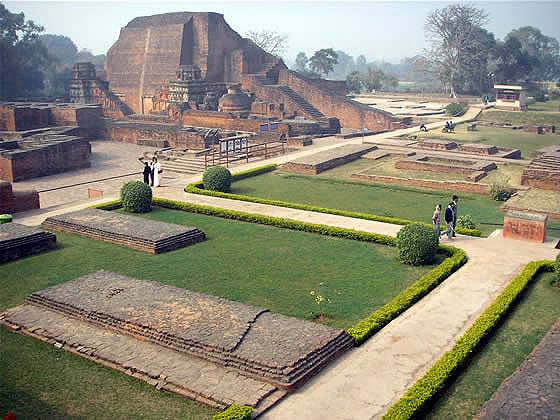
The foundational figure is Gautama Buddha, whose teachings form the basis of all Buddhist philosophy. Early influential disciples included Ananda, known for his perfect memory of the Buddha's discourses, and Sariputta, renowned for his wisdom. Later, Nagarjuna revolutionized Mahayana thought with his Madhyamaka philosophy, articulating the concept of emptiness. Asanga and Vasubandhu were key figures in the Yogacara school, focusing on the philosophy of mind. In Tibet, Padmasambhava is revered as a founder of Vajrayana Buddhism. Modern scholars and practitioners like Thich Nhat Hanh have made Buddhist philosophy accessible globally, while institutions like the Nalanda University (ancient and modern) have been centers of Buddhist learning for centuries.
🌍 Cultural Impact & Influence
Buddhist philosophy has profoundly shaped the cultural and intellectual landscapes of Asia, influencing art, literature, ethics, and governance across countries like India, China, Japan, Korea, Tibet, Sri Lanka, and Thailand. Its emphasis on mindfulness and compassion has permeated secular contexts, leading to the development of Mindfulness-Based Stress Reduction (MBSR) programs, widely adopted in healthcare and psychology. The concept of karma and rebirth has deeply influenced ethical frameworks and societal norms. The aesthetic principles derived from Buddhist art and architecture, such as the stupa and mandala, are recognized worldwide. Furthermore, Buddhist philosophical debates on consciousness, perception, and the nature of reality have engaged with and sometimes challenged Western philosophical traditions, particularly in the fields of philosophy of mind and epistemology.
⚡ Current State & Latest Developments
In the 21st century, Buddhist philosophy continues to evolve, engaging with contemporary scientific and philosophical discourse. There's a growing interest in the neurological correlates of meditation, with researchers at institutions like the University of Wisconsin-Madison studying the effects of long-term meditation practice on brain structure and function. Dialogue between Buddhist thinkers and scientists, particularly in physics and cognitive science, is increasing, exploring shared interests in consciousness, causality, and the nature of reality. The global spread of Buddhism has led to the establishment of numerous Buddhist centers and academic programs worldwide, fostering cross-cultural understanding and new interpretations of ancient texts. The rise of digital platforms has also facilitated wider access to teachings and scholarly resources, connecting practitioners and academics across geographical boundaries.
🤔 Controversies & Debates
Buddhist philosophy is not without its controversies and debates. A significant point of contention has been the interpretation of emptiness, with some critics arguing it leads to nihilism, a charge vehemently denied by proponents like Nagarjuna, who maintained it points to the lack of inherent existence, not non-existence. The historical accuracy of certain Buddhist narratives and the authenticity of specific texts are also subjects of scholarly debate. Furthermore, the integration of Buddhist philosophy into secular contexts, particularly in mindfulness practices, has drawn criticism for potentially diluting its original soteriological aims or being co-opted for commercial purposes. The relationship between the philosophical schools and their religious or ritualistic practices also presents a complex area of ongoing discussion.
🔮 Future Outlook & Predictions
The future of Buddhist philosophy appears dynamic, marked by continued interdisciplinary dialogue and global dissemination. We can anticipate deeper engagement with neuroscience and cognitive science, potentially leading to new understandings of consciousness and mental well-being. The philosophical implications of artificial intelligence may also find resonance within Buddhist frameworks that explore non-self and the nature of sentience. As globalization continues, cross-cultural interpretations and adaptations of Buddhist thought will likely flourish, potentially leading to novel philosophical syntheses. There's also a growing focus on applying Buddhist ethical principles to pressing global issues like climate change and social inequality, suggesting a future where Buddhist philosophy plays an increasingly active role in addressing contemporary challenges.
💡 Practical Applications
Buddhist philosophy offers a rich toolkit for practical application in various domains. In psychology and healthcare, MBSR and Dialectical Behavior Therapy (DBT) incorporate principles of mindfulness and acceptance derived from Buddhist contemplative traditions to treat conditions like anxiety, depression, and chronic pain. In business and leadership, concepts like non-attachm
Key Facts
- Category
- philosophy
- Type
- topic