
Contents
- 🎵 Origins & History
- ⚙️ How It Works
- 📊 Key Facts & Numbers
- 👥 Key People & Organizations
- 🌍 Cultural Impact & Influence
- ⚡ Current State & Latest Developments
- 🤔 Controversies & Debates
- 🔮 Future Outlook & Predictions
- 💡 Practical Applications
- 📚 Related Topics & Deeper Reading
- Frequently Asked Questions
- References
- Related Topics
Overview
The practice of bowhunting is as old as human civilization itself, with archaeological evidence pointing to its use by early hominids as far back as 64,000 years ago in South Africa. Indigenous peoples across the globe, from the Inuit of the Arctic to the San of the Kalahari, relied on bows and arrows for survival, hunting everything from small game to large mammals like bison and moose. The development of the composite bow, utilizing materials like wood, horn, and sinew, significantly increased power and range, allowing for more effective hunting of larger game. In North America, Native American tribes like the Cherokee and Apache were master bowhunters, their skills integral to their culture and economy. The advent of firearms in the 16th century gradually diminished the prevalence of bowhunting, but it never disappeared, maintaining a niche among those who valued its challenge and connection to ancestral practices. Early 20th-century revivalists, such as Saxton Pope, played a crucial role in reintroducing and popularizing bowhunting in the Western world, documenting his expeditions and advocating for its ethical and sporting merits.
⚙️ How It Works
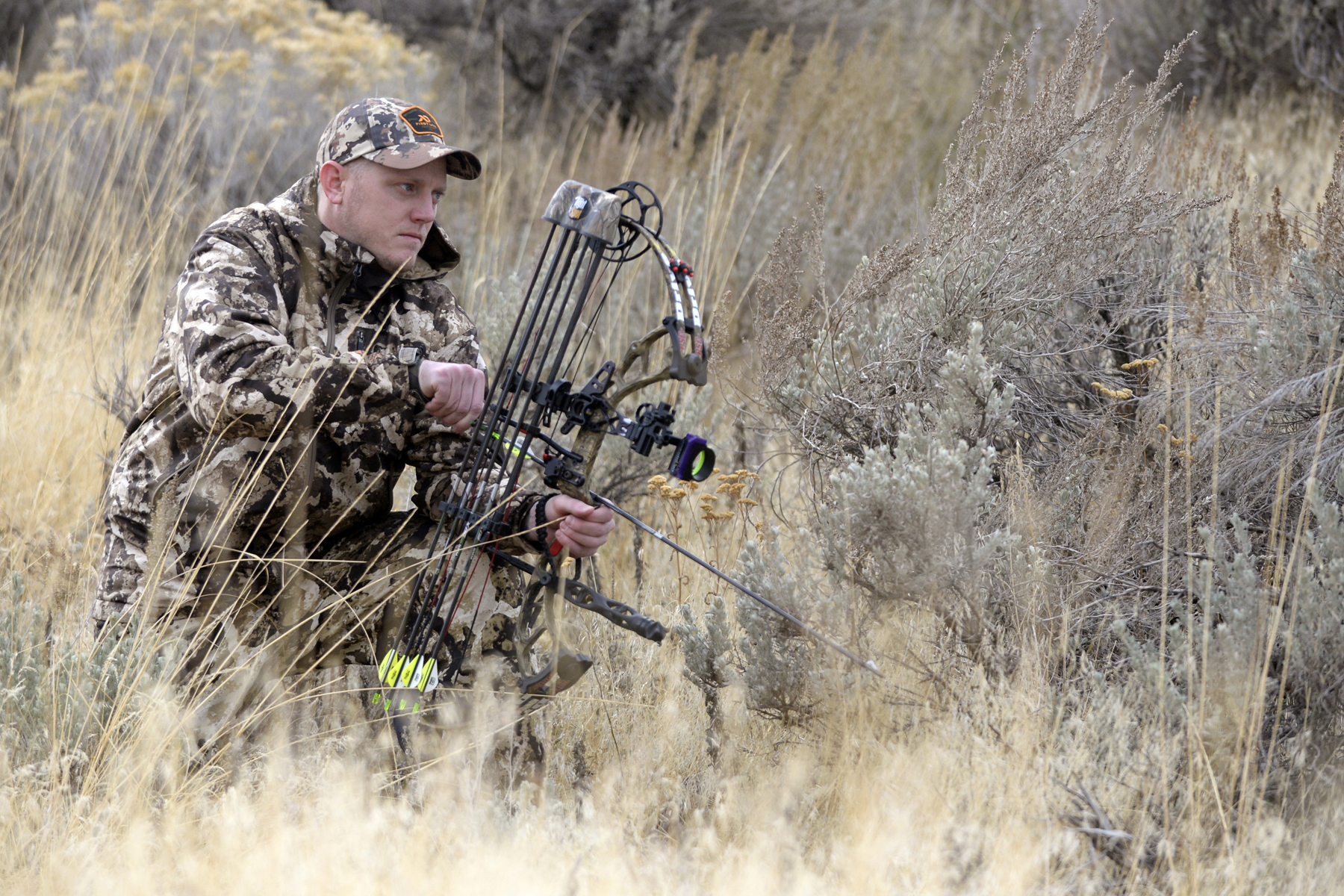
At its core, bowhunting is a game of extreme proximity and precision. Unlike firearm hunting, which often allows for longer engagement distances, bowhunters must typically close the distance to their target to within 30-40 yards, and often much closer for traditional equipment. This requires a mastery of stealth, including understanding wind direction, terrain, and animal behavior to move undetected. The equipment itself has evolved dramatically: traditional longbows and recurve bows demand significant skill in drawing and aiming, while modern compound bows utilize a system of pulleys and cams to reduce draw weight at full extension, allowing for greater stability and accuracy. Arrows are typically tipped with broadheads – sharp, multi-bladed points designed for lethal tissue damage and rapid blood loss. Ethical bowhunting hinges on making a quick, clean kill, which necessitates understanding animal anatomy to target vital organs like the heart and lungs. This pursuit is not merely about the shot; it involves extensive scouting, scent control, camouflage, and often hours of patient waiting in a tree stand or ground blind.
📊 Key Facts & Numbers
The global bowhunting market is substantial, with estimates suggesting it contributes billions of dollars annually to economies worldwide through equipment sales, licenses, and tourism. In the United States alone, over 1.5 million hunters participate in bowhunting each year, purchasing an estimated 2.5 million bows and 15 million dozen arrows annually. The average cost of a modern compound bow setup can range from $800 to $2,000, with additional expenses for arrows, broadheads, sights, releases, and camouflage clothing. Deer remain the most popular game animal for bowhunters in North America, accounting for over 60% of all bowhunted game, followed by turkeys and elk. Successful bowhunting often requires a success rate of less than 20% per hunter per season, highlighting the difficulty and skill involved. Furthermore, bowhunting seasons are often extended compared to firearm seasons, allowing for a longer window for hunters and contributing to wildlife management objectives.
👥 Key People & Organizations
While many individuals have contributed to the evolution and popularization of bowhunting, certain figures stand out. Saxton Pope, often called the 'father of modern bowhunting,' extensively documented his adventures and techniques in the early 20th century, inspiring a generation of enthusiasts. Fred Bear, a legendary outdoorsman and bow manufacturer, significantly advanced compound bow technology and promoted bowhunting globally through his films and expeditions. Organizations like the Archery Trade Association (ATA) and the Bowhunters Association of America (BHA) are instrumental in advocating for bowhunters' rights, promoting conservation, and developing industry standards. In the realm of equipment, companies like Mathews Archery, Hoyt Archery, and PSE Archery are major players, driving innovation in bow design and technology. Conservation groups such as the Wildlife Restoration Act (Pittman-Robertson Act) have indirectly funded bowhunting initiatives through excise taxes on sporting goods since 1937.
🌍 Cultural Impact & Influence
Bowhunting's cultural resonance is deeply intertwined with themes of self-reliance, connection to nature, and the primal hunt. It has been depicted in countless books, films, and documentaries, often romanticizing the solitary hunter against the wilderness. The practice fosters a unique subculture with its own jargon, ethics, and community. Beyond recreation, bowhunting plays a vital role in wildlife management, helping to control populations of certain species, thereby reducing habitat damage and disease transmission. For instance, bowhunting is often employed in suburban areas where firearm hunting is restricted, managing deer populations to mitigate vehicle collisions and damage to vegetation. The ethical framework of bowhunting, emphasizing respect for the animal and a commitment to a clean kill, has also influenced broader discussions on hunting ethics and conservation. The aesthetic of bowhunting, from camouflage patterns to the craftsmanship of bows, has also permeated outdoor fashion and gear design.
⚡ Current State & Latest Developments
The bowhunting industry is in a state of continuous innovation, driven by advancements in materials science, engineering, and digital technology. The development of ballistic reticle sights and laser rangefinders has significantly improved accuracy at extended distances, while broadhead technology continues to evolve with designs offering enhanced penetration and cutting diameter. 3D archery tournaments, featuring life-sized foam animal targets, have surged in popularity, providing realistic practice scenarios and fostering competitive spirit among bowhunters. Furthermore, the integration of trail cameras and hunting apps allows for sophisticated game monitoring and data analysis, enhancing scouting and planning efforts. There's also a growing movement towards traditional archery, with a resurgence in interest in longbows and recurve bows among hunters seeking a more challenging and historically connected experience, often referred to as primitive archery.
🤔 Controversies & Debates
Bowhunting is not without its controversies, primarily centering on ethical considerations and perceived cruelty. Critics argue that the inherent difficulty in achieving a quick, humane kill at bowhunting ranges can lead to wounded animals that suffer prolonged deaths. The debate over the effectiveness and ethics of various broadhead designs – fixed-blade versus mechanical – is ongoing, with proponents of each claiming superior performance and humane results. Another point of contention is the use of advanced compound bows and accessories, which some traditionalists argue detract from the 'true' spirit of the hunt and create an unfair advantage. The debate over hunting seasons, bag limits, and the specific species that can be bowhunted also sparks passionate discussion among conservationists, animal rights advocates, and hunters themselves. The increasing use of technology, such as GPS trackers on arrows, also raises questions about fair chase and the evolving definition of what constitutes ethical hunting.
🔮 Future Outlook & Predictions
The future of bowhunting appears poised for continued technological integration and a potential expansion of its role in wildlife management. Expect further refinements in compound bow efficiency, arrow aerodynamics, and broadhead lethality, pushing the envelope of ethical engagement distances. The increasing availability of virtual reality archery simulators could revolutionize training, offering immersive and accessible practice for aspiring bowhunters. As urban and suburban human populations expand, the need for effective, quiet, and precise methods of wildlife control will likely grow, potentially increasing the demand for bowhunting in areas where firearms are impractical or prohibited. There's also a growing emphasis on sustainability and conservation within the bowhunting community, suggesting a future where bowhunting is increasingly framed not just as a sport, but as an essential component of ecological stewardship. The rise of ethical hunting movements will likely continue to shape regulations and hunter practices, prioritizing animal welfare and conservation outcomes.
💡 Practical Applications
Bowhunting's practical applications extend beyond recreational hunting. It serves as a critical tool for wildlife management, particularly in densely populated areas where managing animal populations like white-tailed deer is essential to prevent ecological damage, disease spread (such as Lyme disease), and human-wildlife conflicts. Bowhunting is often utilized for culling invasive species or managing overabundant populations in sensitive ecosystems. Furthermore, the skills honed through bowhunting—patience, observation, stealth, and precision—can be transferable to other fields, including wildlife photography, ecological research, and even certain aspects of tactical operations. The development of archery equipment for bowhunting has also had spillover effects into target archery and field archery, driving innovation in materials and design that benefit all disciplines of the sport. The economic impact of bowhunting also represents a significant practical application, supporting jobs in manufacturing, retail, and outdoor recreation.
Key Facts
- Year
- c. 64,000 BCE - Present
- Origin
- Global (earliest evidence in South Africa)
- Category
- culture
- Type
- topic
Frequently Asked Questions
What is the minimum distance for an ethical bowhunting shot?
The ethical distance for a bowhunting shot is generally considered to be between 30 and 40 yards, though this can vary significantly based on the hunter's skill, the equipment used, and the specific animal being hunted. Modern compound bows with advanced sights and release aids can increase this effective range, but the goal remains to achieve a quick, humane kill by hitting vital organs. Factors like wind, the animal's awareness, and the hunter's ability to remain steady under pressure are critical. Exceeding one's effective range significantly increases the risk of wounding an animal without a lethal hit, which is considered unethical in bowhunting circles.
How has bowhunting equipment changed over time?
Bowhunting equipment has undergone a dramatic transformation from its origins. Early hunters used simple self-bows made from single pieces of wood, often backed with sinew for added strength. The development of composite bows, using multiple materials like horn and sinew, offered greater power. The 20th century saw major advancements, particularly with the invention of the recurve bow and, more significantly, the compound bow in the 1960s. Compound bows utilize a system of pulleys and cams to reduce the physical effort required to hold the bow at full draw, significantly increasing stability and accuracy. Modern bows also feature advanced sights, stabilizers, arrow rests, and release aids, alongside aerodynamic arrows and specialized broadheads designed for maximum lethality.
Why is bowhunting considered more challenging than firearm hunting?
Bowhunting is generally considered more challenging due to the significantly shorter engagement distances required. Hunters must master stealth, camouflage, and understanding wind and terrain to get within effective range, often 30-40 yards or less, compared to hundreds of yards for firearms. This proximity demands exceptional patience, mental fortitude, and physical control to avoid detection. The margin for error in aiming is also smaller, requiring precise shot placement on vital organs. Furthermore, bowhunting often involves longer seasons and less predictable encounters, demanding more time invested in scouting and understanding animal behavior. The physical act of drawing and holding a bow steady also adds a layer of difficulty not present with firearms.
What is the role of bowhunting in wildlife conservation?
Bowhunting plays a crucial role in wildlife conservation and management. By extending hunting seasons beyond firearm seasons, bowhunting provides an additional tool for managing animal populations, particularly in areas where firearms are restricted or undesirable, such as suburban environments. This helps to prevent overpopulation, which can lead to habitat degradation, increased disease transmission (like Lyme disease from deer ticks), and damage to agricultural or residential properties. Revenue generated from hunting licenses and excise taxes on archery equipment, such as through the Pittman-Robertson Act, directly funds conservation projects, habitat restoration, and wildlife research. Bowhunters often act as stewards of the land, contributing to data collection and reporting on game populations.
Are there ethical concerns surrounding bowhunting?
Yes, ethical concerns are a significant aspect of bowhunting discussions. The primary concern revolves around the potential for wounding animals due to the shorter effective range and the inherent difficulty of achieving a quick, humane kill. Critics argue that if a shot is not perfectly placed, an animal may suffer a slow death. Debates also exist regarding the use of advanced technology, such as mechanical broadheads or sophisticated sights, with some arguing it compromises the 'fair chase' principle. The ethics of hunting during specific times of the year, such as during breeding seasons, and the management of specific species also draw scrutiny from animal welfare advocates and the public. Bowhunting organizations emphasize adherence to strict ethical codes, including knowing your equipment's capabilities, practicing extensively, and only taking high-percentage shots.
How can someone get started in bowhunting?
Getting started in bowhunting typically involves several key steps. First, take a hunter education course, which is often mandatory and covers safety, ethics, and regulations. Many states also require a specific bowhunting education course. Next, invest in appropriate equipment; it's advisable to consult with experienced bowhunters or staff at a reputable archery shop for guidance on selecting a bow that fits your physical capabilities and hunting needs. Practice extensively at a local range or club to develop proficiency with your chosen equipment. Learn about local regulations, seasons, and licensing requirements. Finally, consider hunting with an experienced mentor who can guide you through the nuances of scouting, stalking, and ethical field dressing. Understanding animal behavior and anatomy is also paramount for success and ethical hunting.
What are the economic impacts of bowhunting?
Bowhunting generates substantial economic activity globally. The sale of bows, arrows, broadheads, camouflage clothing, tree stands, and other accessories represents a multi-billion dollar industry annually. In the United States, bowhunting is estimated to contribute over $1 billion to the economy each year through equipment sales alone. Beyond equipment, bowhunting supports jobs in manufacturing, retail, guide services, and tourism. Furthermore, revenue from hunting licenses and permits, along with excise taxes on sporting goods (like those collected under the Pittman-Robertson Act), provides critical funding for state wildlife agencies to manage game populations, conserve habitats, and conduct research, benefiting all wildlife, not just game species.