
Contents
Overview
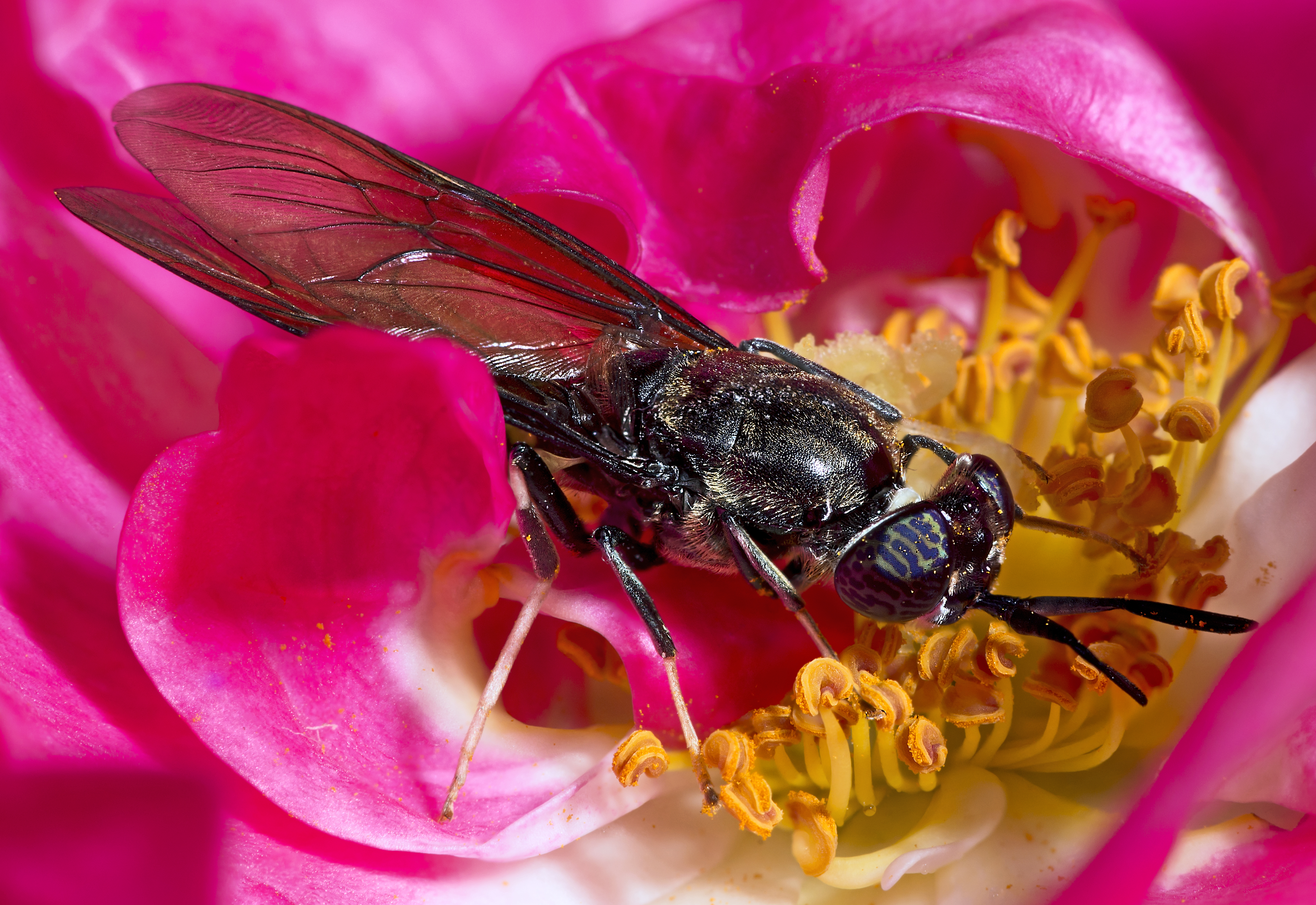
Black soldier fly larvae (BSFL), scientifically known as Hermetia illucens, are the immature stage of a widespread fly species gaining significant traction for their remarkable ability to convert organic waste into valuable biomass. These voracious eaters can consume a wide range of substrates, from food scraps to agricultural byproducts, accumulating substantial amounts of protein and fat. This makes them a highly efficient and sustainable resource for animal feed, fertilizer, and even bioplastics. With global food demand rising and waste management challenges intensifying, BSFL represent a critical nexus of ecological restoration and resource recovery. Their cultivation is scaling rapidly, driven by innovations in farming techniques and increasing market demand for sustainable protein sources.
🎵 Origins & History
The black soldier fly (Hermetia illucens) has a long evolutionary history, native to the Americas and now found globally in tropical and temperate regions. Its larval stage, however, has only recently been recognized for its industrial potential. Early observations of their role in decomposition date back centuries. Pioneers like Dr. Jeff Tomberlin at Texas A&M University have been instrumental in advancing the scientific understanding and commercial viability of BSFL farming. The species' natural ability to thrive on decaying organic matter, coupled with its rapid growth cycle, laid the groundwork for its emergence as a key player in the burgeoning circular economy.
⚙️ How It Works
BSFL operate as nature's ultimate recyclers. The larvae consume vast quantities of organic waste, breaking down complex materials through their digestive systems. This process not only reduces the volume of waste but also converts it into nutrient-rich frass (larval excrement) and the larvae themselves, which are packed with protein and lipids. The larvae can process substrates with high moisture content and are remarkably efficient, converting a significant portion of the consumed waste into their own biomass. This bioconversion process is temperature-dependent, and can be managed in controlled environments using specialized bioreactor systems.
📊 Key Facts & Numbers
Globally, the BSFL market is projected to reach $5.5 billion by 2027, up from an estimated $1.1 billion in 2022, demonstrating a compound annual growth rate (CAGR) of 15.4%. A single female black soldier fly can lay approximately 500-800 eggs in a single clutch. The larvae can consume up to twice their body weight in food per day. Their frass contains essential plant nutrients, with nitrogen content typically ranging from 1-3%, phosphorus from 1-2%, and potassium from 1-2%. The protein content of dried BSFL meal can exceed 50%, with lipid content often around 30%. In terms of waste reduction, BSFL systems can process up to 75% of incoming organic waste, significantly diverting it from landfills.
👥 Key People & Organizations
Key figures driving the BSFL industry include Dr. Jeff Tomberlin, a leading entomologist whose research at Texas A&M University has been foundational. Companies like EntoFood in Canada and EnviroProtein in the United States are at the forefront of commercializing BSFL for animal feed. Novozymes, a global leader in biological solutions, is also investing in enzyme technologies to enhance BSFL digestion efficiency. Organizations such as the International Biocycle Association work to promote best practices and standards in BSFL farming. Emerging startups are constantly innovating, with hundreds of companies now operating globally, from small-scale farms to large industrial facilities.
🌍 Cultural Impact & Influence
The cultural resonance of BSFL lies in their potential to address two of humanity's most pressing challenges: waste management and sustainable food production. They embody a shift towards a more circular economy, where waste is viewed not as a problem but as a resource. This concept has gained traction in environmental circles and among conscious consumers. The idea of using insects for food and feed, once met with revulsion in many Western cultures, is slowly gaining acceptance, partly due to the efforts of BSFL advocates and the increasing visibility of insect-based products. The narrative of BSFL as 'nature's cleanup crew' has resonated widely, appearing in documentaries and news features, such as reports from the Australian Broadcasting Corporation highlighting their use in turning waste into wine.
⚡ Current State & Latest Developments
The BSFL industry is experiencing rapid expansion and technological advancement. In 2024, significant investment is flowing into automated farming systems that optimize temperature, humidity, and feeding cycles, increasing yields and reducing labor costs. Companies are developing specialized BSFL processing equipment, including advanced drying and extraction technologies for protein and oil. Regulatory frameworks are also evolving; for instance, the European Union has updated its novel food regulations to permit the use of insect protein in a wider range of food products, including for human consumption. Research is also intensifying into the specific nutritional profiles of BSFL for different animal species, with a focus on aquaculture and poultry.
🤔 Controversies & Debates
Despite its promise, the BSFL industry faces several controversies. One major debate centers on the potential for antibiotic resistance if larvae are fed waste streams contaminated with antibiotics, although many commercial operations use carefully screened feedstocks. Another concern is the environmental impact of large-scale BSFL farms, including energy consumption for climate control and potential odor issues if not managed properly. The scalability and cost-effectiveness of BSFL production compared to traditional protein sources like soy and fishmeal remain subjects of ongoing economic debate. Furthermore, public perception and acceptance of insect-derived products, particularly for human consumption, continue to be a hurdle in some markets.
🔮 Future Outlook & Predictions
The future of BSFL appears exceptionally bright, with projections indicating continued exponential growth. Experts predict that BSFL will become a staple protein source for animal feed globally, significantly reducing reliance on fishmeal and soy. Innovations in genetic selection and breeding may lead to larvae with even higher protein or lipid content, tailored for specific applications. The development of BSFL-derived bioplastics and other high-value compounds is also a promising frontier. As climate change intensifies and resource scarcity becomes more acute, the role of BSFL in sustainable waste management and resource recovery is likely to become even more critical, potentially integrating them into urban farming and waste-to-energy systems.
💡 Practical Applications
BSFL have a diverse range of practical applications. Their primary use is in producing high-quality protein meal and lipid oil for aquaculture feed, poultry, and pet food, offering a sustainable alternative to conventional ingredients. The larval excrement, known as frass, is a valuable organic fertilizer, rich in nutrients and beneficial microbes, which can improve soil health and structure. Researchers are also exploring the use of BSFL lipids in the production of biodiesel and bioplastics. Furthermore, their ability to digest specific waste streams is being investigated for bioremediation purposes, such as breaking down agricultural pesticides or processing industrial organic waste.
Key Facts
- Category
- nature
- Type
- phenomenon