
Contents
- 🌱 Introduction to Biodynamics
- 🌿 History of Biodynamic Agriculture
- 🌸 Biodynamic Farming Principles
- 🍇 Biodynamic Wine Production
- 🌻 The Biodynamic Association
- 👥 Biodynamic Massage Therapy
- 🌟 Benefits of Biodynamic Farming
- 🌪️ Criticisms and Controversies
- 🌎 Global Adoption of Biodynamics
- 📊 Biodynamic Farming Statistics
- 👀 Future of Biodynamics
- 🤝 Conclusion
- Frequently Asked Questions
- Related Topics
Overview
Biodynamics, a farming approach developed by Rudolf Steiner in the 1920s, has gained significant attention in recent years for its unique blend of spiritual and scientific principles. By considering celestial rhythms, soil ecology, and biodiversity, biodynamic farmers aim to create self-sustaining ecosystems that produce high-quality, nutrient-rich crops. With a Vibe score of 80, biodynamics has become a cultural phenomenon, attracting followers from the organic food movement, environmentalism, and spirituality. However, critics argue that its principles are unproven and lack scientific rigor, sparking controversy and debate within the agricultural community. As the global food system faces increasing pressure to adapt to climate change, biodynamics offers an alternative perspective on farming, one that prioritizes soil health, biodiversity, and ecosystem services. With influential figures like Maria Thun and Alex Podolinsky promoting its benefits, biodynamics is poised to continue shaping the future of sustainable agriculture, with an estimated 10,000 biodynamic farms worldwide, covering over 500,000 hectares of land.
🌱 Introduction to Biodynamics
Biodynamics, an unconventional approach to farming, has gained popularity worldwide for its holistic and sustainable practices. This method, developed by Austrian philosopher Rudolf Steiner, focuses on the interconnectedness of the soil, plants, and animals. Biodynamic agriculture aims to create a self-sustaining ecosystem, promoting soil health and biodiversity. The Biodynamic Association plays a significant role in promoting this system. For those interested in learning more, the Biodynamic Agriculture course is a great starting point.
🌿 History of Biodynamic Agriculture
The history of biodynamic agriculture dates back to the 1920s when Rudolf Steiner introduced his ideas on farming and agriculture. Steiner's approach emphasized the importance of considering the farm as a single, interconnected organism. This philosophy has since been adopted by farmers worldwide, leading to the development of Biodynamic Farming practices. The Organic Farming movement has also been influenced by biodynamic principles. To learn more about the history of biodynamics, visit the Biodynamic History page.
🌸 Biodynamic Farming Principles
Biodynamic farming principles are based on the idea that the farm is a living, breathing entity that requires a holistic approach to management. This includes the use of Compost and Manure to fertilize the soil, as well as the creation of a diverse and balanced ecosystem. Crop Rotation and Cover Cropping are also essential components of biodynamic farming. For more information on these practices, check out the Sustainable Agriculture guide. The Regenerative Agriculture movement also shares similarities with biodynamic farming.
🍇 Biodynamic Wine Production
Biodynamic wine production is a growing trend in the wine industry. This approach to winemaking involves the use of biodynamic farming practices in the vineyard, as well as a focus on minimal intervention in the winemaking process. Biodynamic Wine producers aim to create wines that are not only delicious but also sustainable and environmentally friendly. The Wine Industry has seen a significant shift towards biodynamic and organic practices in recent years. To learn more about biodynamic wine, visit the Wine Production page.
🌻 The Biodynamic Association
The Biodynamic Association is a United States-based organization that promotes the biodynamic agriculture system. The association provides resources and support for farmers, gardeners, and consumers who are interested in biodynamic practices. The Biodynamic Certification program is also offered by the association, providing a way for farms and products to be certified as biodynamic. For more information on the Biodynamic Association, check out the Agricultural Organizations directory.
👥 Biodynamic Massage Therapy
Biodynamic massage therapy is a complementary therapy developed by Gerda Boyesen in Norway during the 1950s. This type of massage focuses on the connection between the body and the mind, using gentle, rhythmic strokes to promote relaxation and well-being. Massage Therapy has been shown to have numerous health benefits, and biodynamic massage is a unique and effective approach. The Alternative Medicine community has embraced biodynamic massage as a holistic treatment option. To learn more about biodynamic massage, visit the Massage Techniques page.
🌟 Benefits of Biodynamic Farming
The benefits of biodynamic farming are numerous, including improved soil health, increased biodiversity, and enhanced ecosystem services. Biodynamic farming also promotes the use of Renewable Energy sources and reduces the need for synthetic fertilizers and pesticides. Sustainable Living practices, such as reducing waste and conserving water, are also encouraged. The Environmental Benefits of biodynamic farming are significant, making it an attractive option for those looking to reduce their environmental impact. For more information on the benefits of biodynamic farming, check out the Eco Friendly guide.
🌪️ Criticisms and Controversies
Despite its benefits, biodynamic farming has faced criticisms and controversies. Some have questioned the scientific basis of biodynamic principles, while others have raised concerns about the cost and practicality of implementing biodynamic practices. Conventional Farming methods are often compared to biodynamic farming, with some arguing that conventional methods are more efficient and effective. The Debate on Biodynamics continues, with proponents arguing that the benefits of biodynamic farming outweigh the drawbacks. To learn more about the criticisms of biodynamic farming, visit the Criticisms of Biodynamics page.
🌎 Global Adoption of Biodynamics
Biodynamic farming is being adopted globally, with farms and gardens in many countries incorporating biodynamic principles into their practices. The Global Biodynamic Movement is growing, with many organizations and individuals working to promote and support biodynamic farming. International Agricultural Development programs have also recognized the potential of biodynamic farming to improve food security and reduce poverty. For more information on the global adoption of biodynamics, check out the Agricultural Development directory.
📊 Biodynamic Farming Statistics
Biodynamic farming statistics show that this approach to agriculture can be highly effective. Biodynamic Farming Statistics demonstrate that biodynamic farms can have higher crop yields, improved soil health, and increased biodiversity compared to conventional farms. The Economic Benefits of biodynamic farming are also significant, with many biodynamic farms reporting increased profits and improved livelihoods for farmers. To learn more about biodynamic farming statistics, visit the Agricultural Statistics page.
👀 Future of Biodynamics
The future of biodynamics looks promising, with many farmers, gardeners, and consumers embracing this holistic approach to agriculture. As concerns about climate change, soil degradation, and water scarcity continue to grow, biodynamic farming is likely to play an increasingly important role in promoting sustainable and regenerative agriculture practices. The Future of Agriculture will likely involve a shift towards more sustainable and environmentally friendly practices, and biodynamic farming is well-positioned to be at the forefront of this movement. For more information on the future of biodynamics, check out the Sustainable Agriculture Initiatives directory.
🤝 Conclusion
In conclusion, biodynamics is a unique and holistic approach to farming that has gained popularity worldwide. From its roots in Rudolf Steiner's philosophy to its modern-day applications in biodynamic wine production and biodynamic massage therapy, biodynamics offers a range of benefits for the environment, human health, and the economy. As the world continues to grapple with the challenges of sustainable agriculture, biodynamics is likely to play an increasingly important role in promoting regenerative and sustainable farming practices. To learn more about biodynamics, visit the Biodynamic Agriculture page.
Key Facts
- Year
- 1924
- Origin
- Austria
- Category
- Agriculture, Environmental Science
- Type
- Agricultural Movement
Frequently Asked Questions
What is biodynamic farming?
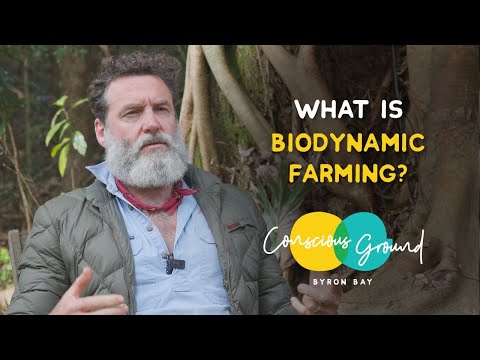
Biodynamic farming is a holistic approach to agriculture that considers the farm as a single, interconnected organism. It emphasizes the importance of soil health, biodiversity, and ecosystem services, and promotes the use of natural and renewable resources. Biodynamic farming is based on the principles developed by Rudolf Steiner and is characterized by its focus on the spiritual and mystical aspects of farming. For more information, visit the Biodynamic Farming page.
What are the benefits of biodynamic farming?
The benefits of biodynamic farming include improved soil health, increased biodiversity, and enhanced ecosystem services. Biodynamic farming also promotes the use of renewable energy sources and reduces the need for synthetic fertilizers and pesticides. Additionally, biodynamic farming can lead to improved crop yields, increased profits for farmers, and enhanced livelihoods for rural communities. The Environmental Benefits of biodynamic farming are significant, making it an attractive option for those looking to reduce their environmental impact.
What is biodynamic wine?
Biodynamic wine is wine that is produced using biodynamic farming practices in the vineyard and minimal intervention in the winemaking process. Biodynamic wine producers aim to create wines that are not only delicious but also sustainable and environmentally friendly. The Wine Industry has seen a significant shift towards biodynamic and organic practices in recent years. To learn more about biodynamic wine, visit the Biodynamic Wine page.
What is biodynamic massage therapy?
Biodynamic massage therapy is a complementary therapy that focuses on the connection between the body and the mind. It uses gentle, rhythmic strokes to promote relaxation and well-being, and is based on the principles of biodynamics. Biodynamic massage therapy is a unique and effective approach to promoting physical and emotional health. The Alternative Medicine community has embraced biodynamic massage as a holistic treatment option.
Is biodynamic farming more expensive than conventional farming?
Biodynamic farming can be more expensive than conventional farming, particularly in the short term. However, the long-term benefits of biodynamic farming, including improved soil health and increased biodiversity, can lead to cost savings and increased profits for farmers. Additionally, biodynamic farming can provide a range of ecosystem services, including pollination and pest control, which can reduce the need for external inputs and lower costs. The Economic Benefits of biodynamic farming are significant, making it an attractive option for farmers looking to improve their bottom line.
Can I learn more about biodynamic farming online?
Yes, there are many online resources available for learning more about biodynamic farming. The Biodynamic Association website is a great place to start, as it provides a wealth of information on biodynamic farming principles and practices. You can also find online courses and tutorials on biodynamic farming, as well as blogs and forums where you can connect with other biodynamic farmers and learners. The Sustainable Agriculture Initiatives directory is also a great resource for learning more about biodynamic farming.
How can I get involved in biodynamic farming?
There are many ways to get involved in biodynamic farming, from volunteering on a biodynamic farm to taking an online course or workshop. You can also join a local biodynamic farming group or organization, or participate in a biodynamic farming conference or event. The Agricultural Organizations directory is a great resource for finding local groups and organizations involved in biodynamic farming. Additionally, you can visit the Biodynamic Farming page to learn more about getting started with biodynamic farming.