
Contents
Overview
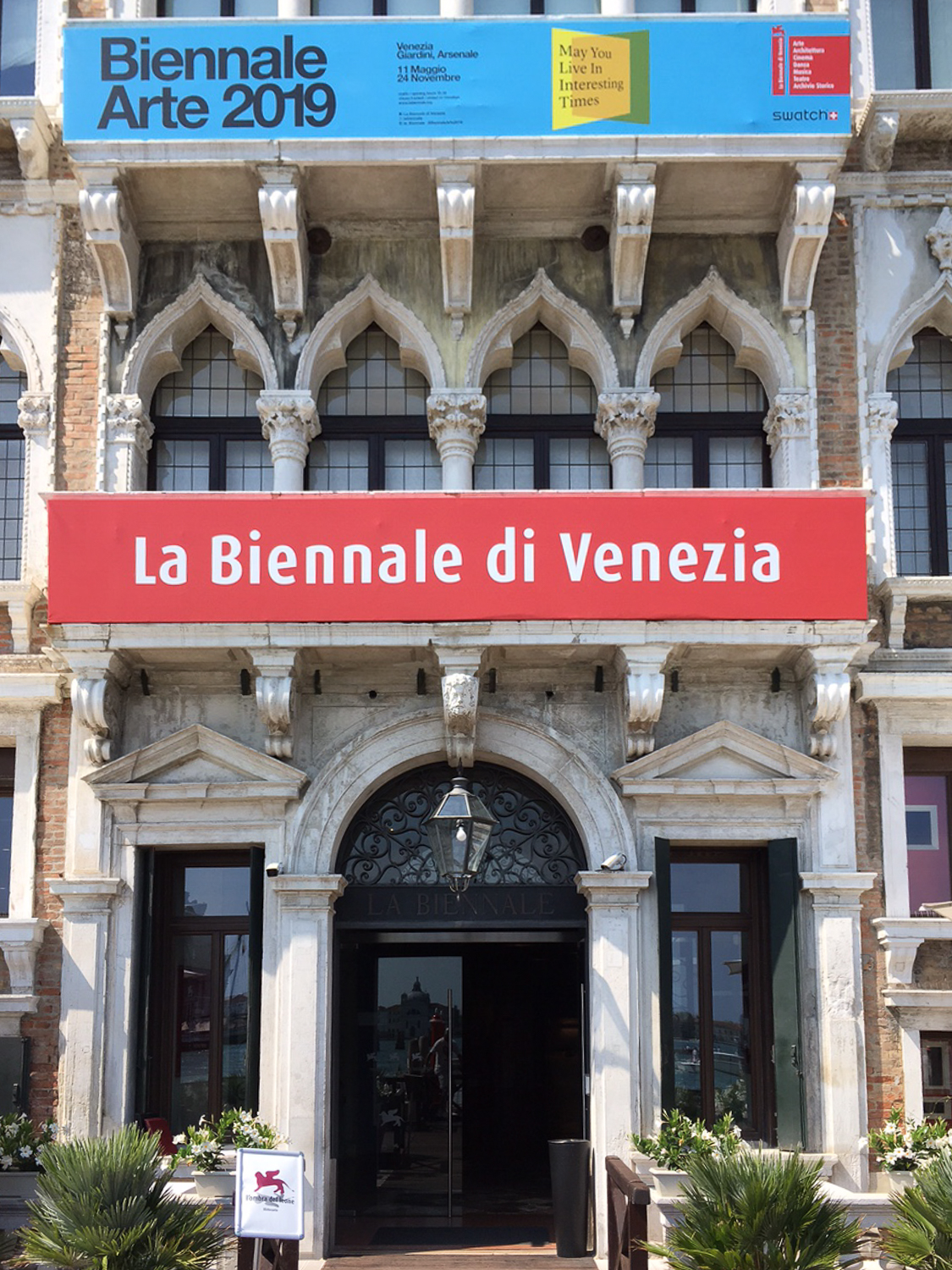
The concept of a recurring, large-scale exhibition has roots stretching back to ancient Olympic Games and medieval fairs, but the modern biennale as a curated showcase for contemporary art truly crystallized with the establishment of the Venice Biennale. Initially conceived as a celebration of Italian art and national unity, it quickly evolved into an international affair, with countries constructing their own pavilions in the Giardini della Biennale. Precursors like the Paris Salon had already established the idea of official exhibitions, but the Venice model introduced a distinct focus on international participation and a biennial rhythm. The Documenta in Kassel, Germany, emerged as another significant, albeit differently structured, recurring exhibition, initially aimed at re-educating the public about modern art suppressed during the Nazi era. Other cities, recognizing the cultural and economic potential, soon followed suit, establishing their own biennales.
⚙️ How It Works
At its core, a biennale operates as a mega-event, typically featuring a main exhibition organized by a chief curator and often supplemented by national pavilions, independent collateral events, and parallel programming. The chief curator sets a thematic direction for the main exhibition, inviting artists whose work engages with that theme. National pavilions, often permanent structures built by participating countries, are typically managed by national arts councils or ministries and showcase artists selected by their respective committees. This dual structure—curatorial vision versus national representation—creates a dynamic tension. The selection process for artists can involve extensive research, studio visits, and committee deliberations, aiming to present a diverse and representative cross-section of contemporary artistic production. The logistical undertaking involves securing venues and coordinating international participation across diverse cultural and political landscapes.
📊 Key Facts & Numbers
The scale of biennales is staggering. The Venice Biennale, arguably the most prestigious, can attract hundreds of thousands of visitors. The Documenta in Kassel, held every five years, is also a major draw. Art market analyses suggest that biennales can significantly boost the visibility and market value of participating artists. The economic impact on host cities is substantial, with estimates for the Venice Biennale alone reaching hundreds of millions of euros in tourism revenue and related economic activity. Beyond visitor numbers, the sheer volume of artworks displayed—often hundreds of pieces across multiple venues—makes them colossal undertakings.
👥 Key People & Organizations
Key figures in the biennale world include visionary curators who shape the thematic direction of major exhibitions. National pavilions are often managed by governmental or quasi-governmental bodies like the Italian Ministry of Culture or the British Council. Organizations like the International Curators Forum play a role in fostering dialogue and professional development within the curatorial field. Historically, figures like Arnold Bode were instrumental in establishing influential recurring exhibitions like Documenta. The Venice Biennale itself is governed by a board of directors, with its artistic directors appointed for specific editions.
🌍 Cultural Impact & Influence
Biennales have profoundly shaped the trajectory of contemporary art and architecture, acting as trendsetters and arbiters of taste. They provide a global stage for emerging artists to gain international recognition. The thematic focus of a biennale can influence critical discourse for years, prompting widespread discussion and academic study. For instance, the emphasis on post-colonialism in recent Venice and Kassel Documenta editions has spurred critical re-evaluations of art history and representation. Beyond art, biennales influence urban development, tourism, and national cultural branding. The architectural biennales, in particular, often propose radical solutions to urban challenges, impacting architectural practice and urban planning discourse globally.
⚡ Current State & Latest Developments
The landscape of biennales is constantly evolving, with new events emerging and existing ones adapting to contemporary challenges. The Venice Biennale continues to be a bellwether, with its 2024 Art Biennale focusing on artists from Latin America and the Global South, reflecting a broader shift towards decolonizing the art world. Architectural biennales, such as the Chicago Architecture Biennial and the London Design Biennale, are increasingly addressing urgent issues like climate change and social equity. The digital realm is also becoming more integrated, with many biennales offering online components, virtual tours, and digital archives, expanding their reach beyond physical attendees. The ongoing debate about sustainability and the environmental impact of these large-scale international events is also a major development, prompting organizers to seek more eco-friendly practices.
🤔 Controversies & Debates
Biennales are frequently sites of controversy, often stemming from political tensions, curatorial choices, or thematic content. The inclusion or exclusion of certain nations or artists can spark diplomatic incidents. Curatorial decisions can also be divisive; a perceived lack of diversity or an overly niche thematic focus can lead to criticism from artists, critics, and the public. The immense carbon footprint associated with transporting artworks and attendees globally is another significant point of contention, leading to calls for more sustainable practices. Furthermore, debates persist about the role of national pavilions: do they foster genuine cultural exchange or reinforce nationalistic agendas and competition? The commercialization of biennales, with their proximity to art fairs and the potential for artists to gain significant market advantage, also draws criticism regarding the commodification of art.
🔮 Future Outlook & Predictions
The future of biennales likely involves a greater emphasis on sustainability and digital integration. Organizers are exploring ways to reduce the environmental impact of transporting art and materials, potentially through localized production or digital exhibitions. The role of the curator may also evolve, with a potential shift towards more collaborative or community-based curatorial models. We can anticipate a continued push towards greater inclusivity and representation, with a focus on artists from underrepresented regions and marginalized communities. The rise of smaller, more specialized biennales focusing on specific media or social issues may also continue, offering alternative platforms to the mega-events. The economic viability of these large-scale events in a post-pandemic world, coupled with increasing scrutiny over their environmental and social impact, will undoubtedly shape their future programming and structure.
💡 Practical Applications
Biennales serve multiple practical functions beyond showcasing art. They act as significant economic engines for their host cities, driving tourism, hospitality, and related industries, as evidenced by the substantial revenue generated by the Venice Biennale. For artists, par
Key Facts
- Category
- culture
- Type
- topic