
Contents
Overview
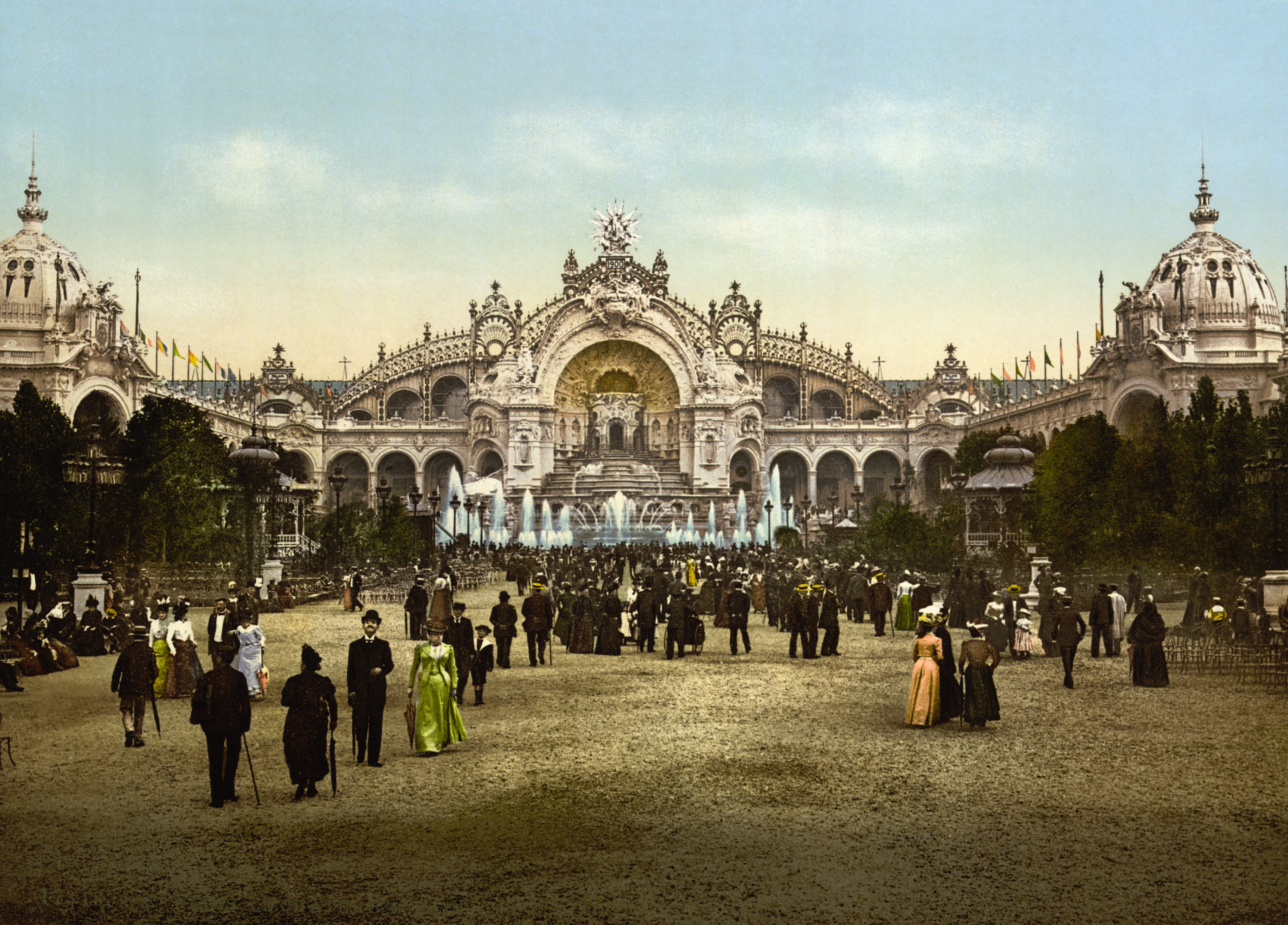
The Belle Époque, French for 'The Beautiful Era,' designates a period of European history stretching from the end of the Franco-Prussian War to the outbreak of World War I. This era, largely synonymous with the French Third Republic, was defined by a pervasive sense of optimism, relative peace across the continent, burgeoning economic prosperity, and a fervent embrace of technological and scientific advancements. Paris, in particular, became a global epicenter for cultural and artistic innovation, witnessing a remarkable flourishing in literature, music, theatre, and visual arts. The term 'Belle Époque' itself was coined retrospectively, casting the period as a continental 'Golden Age' in stark contrast to the devastating conflicts that bookended it, namely the Napoleonic Wars and World War I. This retrospective lens highlights a profound cultural shift, marked by a belief in progress and a vibrant, often extravagant, societal spirit.
🎵 Origins & History
The Belle Époque didn't have a formal declaration; it emerged organically after the Franco-Prussian War, which saw France defeated by Prussia and the subsequent establishment of the French Third Republic. This period of relative peace and stability, particularly after the tumultuous 19th century marked by revolutions and wars, fostered a profound sense of optimism and a belief in continuous progress. Historians like R. R. Palmer have noted this era as a time when European civilization felt ascendant, a sentiment amplified by rapid industrialization and colonial expansion. The retrospective naming of this era as 'Belle Époque' by those who lived through the horrors of World War I underscores its perceived idyllic nature, a stark contrast to the unprecedented destruction that followed.
⚙️ Defining Characteristics
This era was characterized by a potent blend of technological innovation and artistic exuberance. The widespread adoption of electricity, the invention of the automobile, the advent of cinema, and advancements in communication like the telephone transformed daily life and industry. Simultaneously, Paris became a global capital of arts and culture, attracting artists, writers, and intellectuals from across the world. This confluence of progress and creativity fueled a vibrant social scene, marked by grand exhibitions, bustling cafes, and a flourishing of new artistic styles and philosophical ideas. The spirit was one of forward-looking confidence, a belief that humanity was on the cusp of a new, enlightened age.
📊 Key Facts & Numbers
The Belle Époque witnessed significant demographic and economic shifts. Paris alone saw its population swell by over 1.5 million people between 1871 and 1911, reaching approximately 2.7 million by the eve of WWI. Industrial production in France increased by roughly 30% during this period, driven by advancements in steel, chemicals, and electricity. The global economy experienced unprecedented growth, with international trade volumes nearly tripling between 1870 and 1914. Over 100,000 new buildings were constructed in Paris during this time, including iconic structures like the Eiffel Tower, which was completed in 1889 for the Exposition Universelle, attracting over 32 million visitors in its first year. The number of automobiles registered in France grew from a mere handful in 1900 to over 10,000 by 1910.
👥 Key Figures & Movements
The Belle Époque was shaped by a constellation of influential figures and burgeoning movements. In art, Impressionism gave way to Post-Impressionism, with artists like Claude Monet, Pierre-Auguste Renoir, and later Henri Matisse and Pablo Picasso pushing artistic boundaries. The literary world saw figures like Marcel Proust and Émile Zola capture the zeitgeist, while in music, composers like Claude Debussy and Maurice Ravel redefined orchestral sound. Scientific breakthroughs by figures such as Marie Curie and Louis Pasteur fundamentally altered understanding of the natural world. The burgeoning field of cinema, pioneered by the Auguste and Louis Lumière, introduced a new visual medium that would revolutionize storytelling.
🌍 Cultural Impact & Influence
The cultural output of the Belle Époque left an indelible mark on Western civilization. Paris became a center of the art world, with the establishment of numerous galleries and salons that showcased avant-garde works. The period saw the rise of Art Nouveau, characterized by its organic, flowing lines, evident in architecture, furniture, and decorative arts, exemplified by the work of Alfred Moulin and Victor Horta. The development of mass media, including newspapers and magazines, disseminated new ideas and artistic trends to a wider audience. The spirit of innovation extended to social norms, with increased visibility for women in public life and the beginnings of the suffrage movement in several European countries.
⚡ The Shadow of War
Despite the outward appearance of peace and prosperity, the Belle Époque was underpinned by rising nationalism, colonial rivalries, and an escalating arms race, particularly between Germany and Britain. The intricate web of alliances—the Triple Entente (France, Russia, Britain) and the Triple Alliance (Germany, Austria-Hungary, Italy)—created a volatile geopolitical landscape. The assassination of Archduke Franz Ferdinand acted as the spark that ignited these simmering tensions, leading directly to the outbreak of World War I. The technological advancements that defined the era, such as rapid industrial production and new weaponry, would also contribute to the unprecedented scale of destruction in the ensuing conflict.
🤔 Retrospective Framing
The term 'Belle Époque' is inherently a retrospective construct, coined by those who remembered the period fondly after the cataclysm of World War I. This framing often romanticizes the era, emphasizing its artistic achievements and perceived innocence while downplaying the underlying social inequalities, colonial exploitation, and the geopolitical tensions that ultimately led to war. Historians debate the extent to which this 'Golden Age' was truly golden for all segments of society, with significant disparities existing between the wealthy elite and the working classes, and the exploitation of colonial territories fueling European prosperity. The very notion of a 'beautiful era' is thus a subjective interpretation, shaped by the trauma of what came next.
🔮 Legacy and Modern Perception
The legacy of the Belle Époque continues to resonate, particularly in its artistic and architectural contributions. The styles, movements, and masterpieces produced during this period remain influential in art history, design, and popular culture. The technological foundations laid during these decades—electricity, automobiles, aviation, and cinema—directly paved the way for the modern world. However, the era also serves as a cautionary tale about the fragility of peace and the dangers of unchecked nationalism and imperial ambition. Contemporary discussions often revisit the Belle Époque to draw parallels with current geopolitical tensions and the seductive allure of progress masking underlying societal fragilities.
💡 Artistic Manifestations
The Belle Époque is most vividly remembered through its artistic manifestations. The paintings of Edgar Degas capturing Parisian ballet dancers, the satirical cartoons of Théophile Steinlen depicting Parisian life, and the vibrant posters of Henri de Toulouse-Lautrec advertising cabarets like the Moulin Rouge offer windows into the era's spirit. The architecture of Art Nouveau, with its flowing lines and organic motifs, can still be seen in cities like Paris, Brussels, and Barcelona. The development of cinema by the Lumière brothers at the Grand Café in Paris in 1895 marked the birth of a new art form that would profoundly shape 20th-century culture. The era's literary works, such as Gustave Flaubert's later novels and Jules Verne's futuristic tales, continue to be read and adapted.
Key Facts
- Category
- history
- Type
- topic