
Contents
Overview
Bees, a diverse group of flying insects within the superfamily Apoidea, are indispensable to global ecosystems and agriculture. While often associated with honey production, their primary ecological role is pollination, a process vital for the reproduction of over 80% of flowering plants, including a third of the food crops humans consume. The intricate social structures of species like the honeybee (Apis mellifera) and bumblebee (Bombus spp.) showcase remarkable cooperative behaviors, while solitary bees also play crucial roles. However, bee populations worldwide are facing unprecedented declines due to a complex interplay of habitat loss, pesticide exposure, climate change, and disease, posing a significant threat to biodiversity and food security.
🐝 What Exactly IS a Bee?
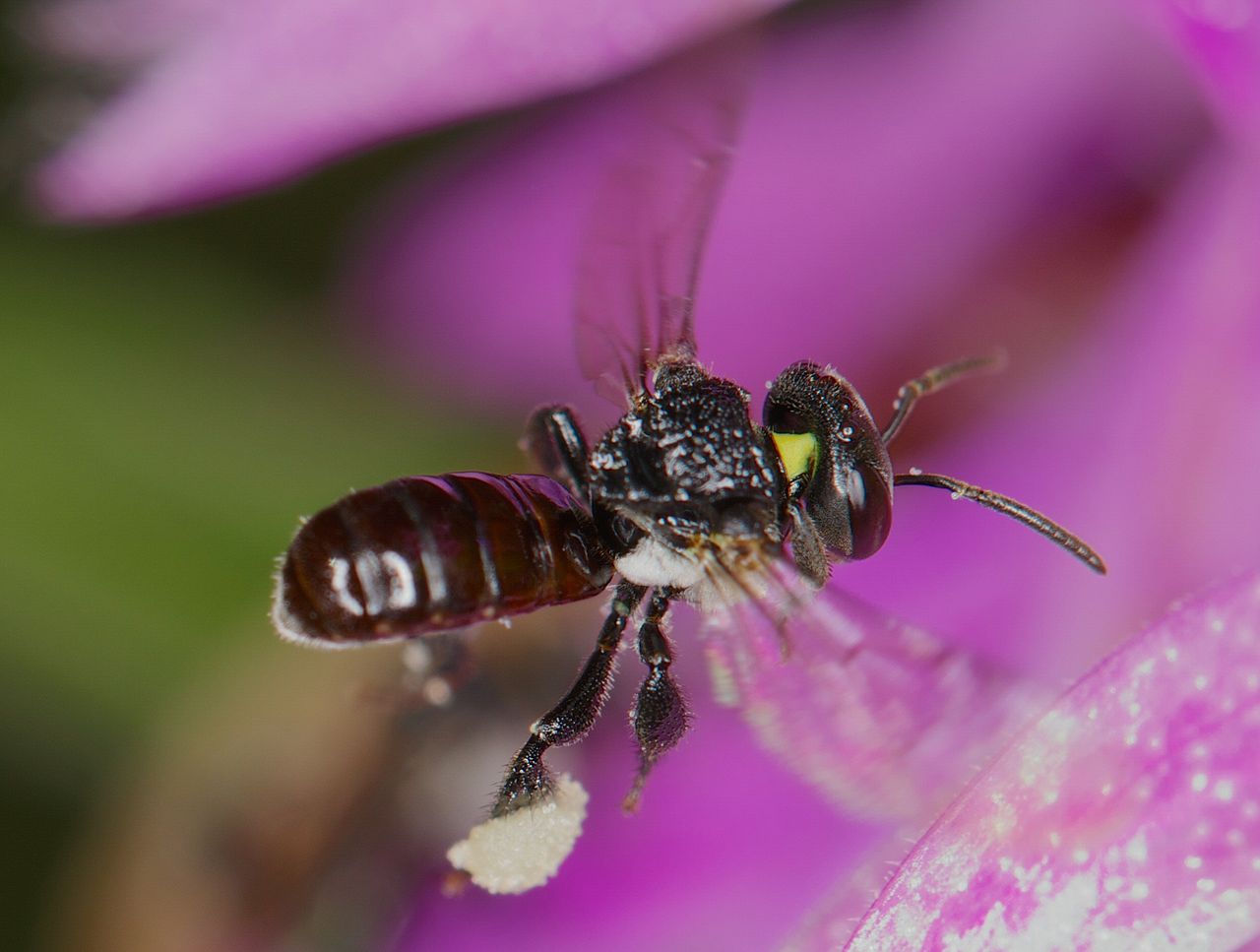
Bees, scientifically classified as Anthophila within the superfamily Apoidea, are a diverse group of winged insects, boasting over 20,000 known species across seven families. Far from being just honey-makers, this order encompasses a staggering variety of forms and lifestyles. While the iconic honey bee (genus Apis) and its hexagonal waxen nests are widely recognized, they represent only a fraction of the bee world. Most species, a staggering 90%+, operate as solitary foragers, a fact often overlooked in popular discourse about these vital pollinators.
🍯 The Hive Mind vs. The Lone Wolf
The social structure of bees presents a fascinating dichotomy. Highly organized, social species like honey bees and bumblebees live in complex, hierarchical colonies with distinct roles for queens, workers, and drones. This collective living allows for efficient resource gathering and defense. In stark contrast, the vast majority of bee species are solitary. These independent operators, such as mason bees and leafcutter bees, build individual nests and manage their own brood, showcasing a different, yet equally effective, survival strategy.
🌍 Global Reach: Where Do Bees Live?
Bees are a truly global phenomenon, found on every continent except Antarctica. Their habitats range from lush tropical rainforests to arid deserts and temperate woodlands. While certain species, like the European honey bee (Apis mellifera), have been introduced worldwide and are now ubiquitous, countless native bee species are intricately adapted to their specific local ecosystems. Understanding these regional variations is crucial for effective conservation efforts and appreciating the full scope of bee biodiversity.
🌸 The Buzz About Pollination
The ecological significance of bees, particularly their role as pollinators, cannot be overstated. As they forage for nectar and pollen, bees inadvertently transfer pollen between flowers, enabling plants to reproduce. It's estimated that bees are responsible for pollinating roughly one-third of the food crops humans consume, including fruits, vegetables, and nuts. Without their tireless work, global food security would be severely jeopardized, impacting everything from our diets to the economies of agricultural nations.
🐝 Beyond Honey: Other Bee Products
While honey is the most famous bee product, it's far from the only one. Social bees, particularly honey bees, also produce beeswax, a versatile material used in everything from candles and cosmetics to polishes. Royal jelly, a nutrient-rich secretion fed to queen larvae, is prized in some cultures for its perceived health benefits. Pollen itself, collected by bees, is also consumed as a dietary supplement. The economic and ecological value of these products extends far beyond simple sweetness.
⚠️ Threats to the Bee Population
The health of bee populations worldwide is facing unprecedented challenges. Habitat loss due to urbanization and intensive agriculture is a primary driver, reducing the availability of nesting sites and diverse floral resources. The widespread use of pesticides, particularly neonicotinoids, has been linked to colony collapse disorder and direct bee mortality. Furthermore, the spread of parasites like the Varroa mite and the impacts of climate change are adding further pressure to already vulnerable bee communities.
💡 Bee Conservation: What You Can Do
Protecting bees requires a multi-pronged approach, starting with individual actions. Planting native, bee-friendly flowers that bloom throughout the seasons provides essential food sources. Reducing or eliminating pesticide use in gardens and supporting organic farming practices are critical steps. Creating bee habitats, such as leaving patches of bare ground for ground-nesting bees or installing bee hotels for solitary species, can offer vital nesting opportunities. Supporting organizations dedicated to bee research and conservation also plays a crucial role.
🐝 Fascinating Bee Facts
Did you know that a single honey bee colony can contain up to 60,000 individuals? Or that bumblebees can fly in cooler temperatures than most other bees due to their ability to 'shiver' and generate heat? Some solitary bees, like the blue orchard bee, are remarkably efficient pollinators, requiring fewer visits to flowers than honey bees to achieve the same result. The sheer diversity in size, color, and behavior among the 20,000+ species is a testament to millions of years of evolution and adaptation.
Key Facts
- Year
- Prehistoric (estimated 120 million years ago)
- Origin
- Evolved from predatory wasps
- Category
- Biology & Ecology
- Type
- Species Group
Frequently Asked Questions
Are all bees social insects?
No, quite the opposite. While honey bees and bumblebees are well-known social species living in colonies, over 90% of all bee species are solitary. These solitary bees live independently, building their own nests and raising their young without a colony structure. This includes many common types like mason bees, leafcutter bees, and sweat bees.
What is the difference between a bee and a wasp?
Bees are generally hairy and feed on pollen and nectar, playing a crucial role in pollination. Wasps, on the other hand, are typically smoother-bodied, often have a narrower waist, and are predatory or scavengers, feeding on other insects. While some wasps do pollinate, it's not their primary ecological function or dietary staple like it is for bees.
Why are bees important for humans?
Bees are vital for human survival primarily due to their role as pollinators. They are responsible for pollinating a significant portion of the world's food crops, including fruits, vegetables, nuts, and seeds. Without bees, agricultural yields would plummet, leading to widespread food shortages and economic instability. Their work underpins global food security.
What is Colony Collapse Disorder (CCD)?
Colony Collapse Disorder is a phenomenon where worker bees abruptly disappear from a colony, leaving behind a queen, plenty of food, and a few nurse bees to care for the young. While the exact causes are still debated, it's widely believed to be a complex issue involving a combination of factors such as pesticide exposure, parasites (like the Varroa mite), poor nutrition, and stress from habitat loss and climate change.
How can I help protect bees in my backyard?
You can help by planting a variety of native, bee-friendly flowers that bloom throughout the spring, summer, and fall to provide a continuous food source. Avoid using pesticides, especially neonicotinoids, in your garden. Consider leaving a small patch of undisturbed soil for ground-nesting bees or installing a 'bee hotel' for solitary species. Providing a shallow water source with pebbles or twigs for landing can also be beneficial.