
Contents
Overview
Beauty pageants are competitive events where individuals, traditionally women, are judged on a combination of physical appearance, talent, personality, and often, their commitment to charitable causes. Originating in the 19th century, these contests have evolved from simple 'bathing suit reviews' to complex platforms that can launch careers in entertainment, public speaking, and activism. The most prestigious are the 'Big Four' – Miss Universe, Miss World, Miss International, and Miss Earth – which command global attention and significant media coverage. While often criticized for objectification and promoting narrow beauty standards, pageants also serve as incubators for leadership development, empowering contestants to become influential voices in their communities and beyond. The industry generates millions of dollars annually through sponsorships, media rights, and related businesses, reflecting its enduring, albeit controversial, cultural footprint.
🎵 Origins & History
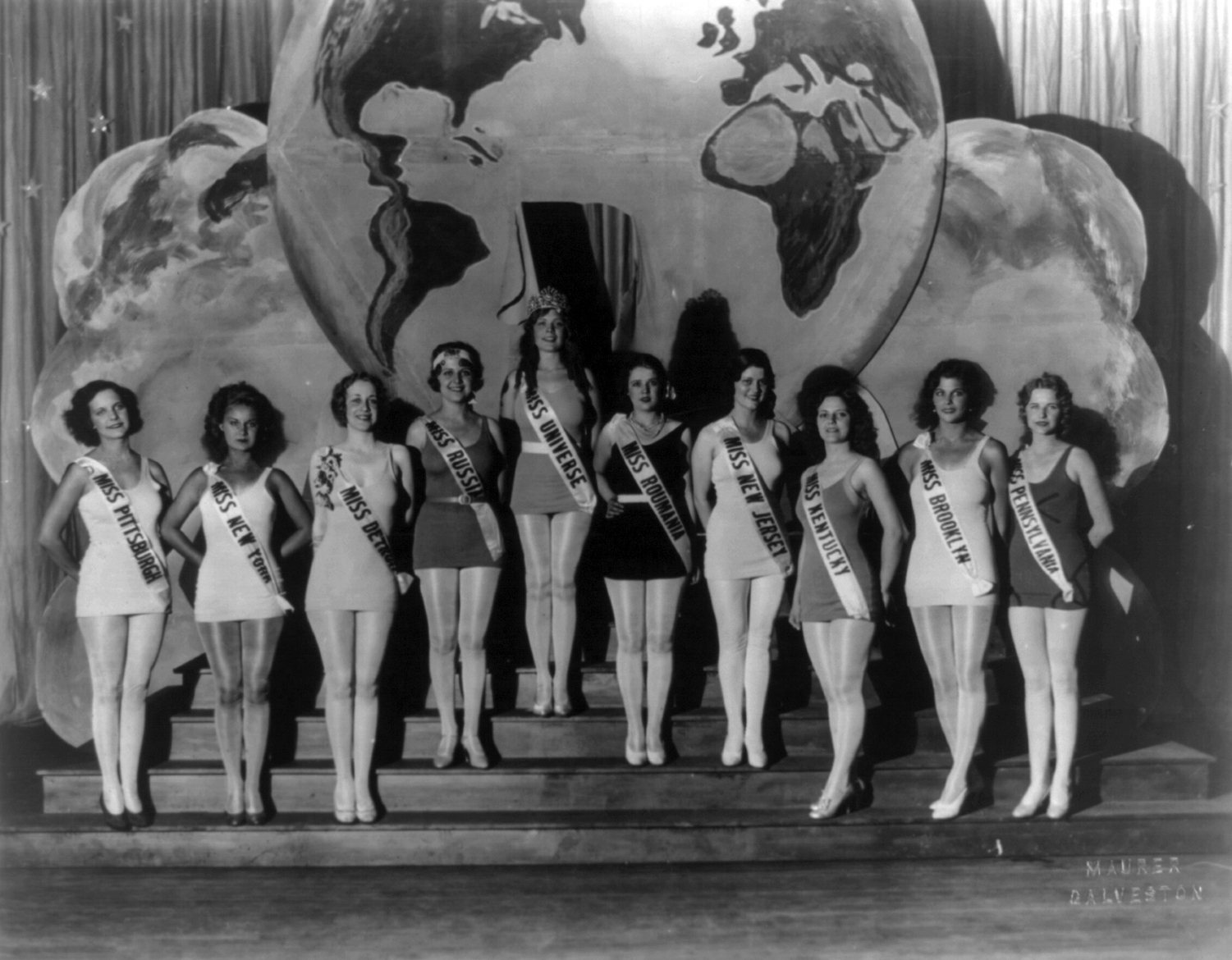
The genesis of the modern beauty pageant can be traced back to the mid-19th century, with early iterations often tied to seaside resorts and festivals. The 'Golden Rose' competition was held in Hστή, Belgium. The precursor to today's pageants emerged with the creation of the Miss America pageant in Atlantic City, New Jersey. Initially conceived as a way to extend the summer tourist season, it quickly became a national phenomenon, emphasizing not just physical beauty but also talent and poise. The international stage saw its own major development with the launch of the Miss World pageant and Miss Universe, solidifying the global appeal and commercialization of these competitions. These early pageants, particularly Miss America, were instrumental in shaping societal ideals of femininity and aspiration for decades, influencing fashion, media, and popular culture.
⚙️ How It Works
At their core, beauty pageants operate through a structured judging process designed to evaluate contestants across several key areas. While the specific criteria vary, most modern pageants include categories such as evening wear, swimwear (often rebranded as 'activewear' or 'resort wear'), and talent. Increasingly, a significant portion of the judging is dedicated to the interview segment, where contestants articulate their thoughts on current events, personal goals, and their platform for advocacy. The 'inner beauty' aspect is heavily emphasized, with judges assessing personality, confidence, and communication skills. Contestants are typically scored by a panel of judges, with cumulative scores determining finalists and ultimately, the winner. The crowning moment, often involving a sash and a crown, symbolizes the achievement and the responsibilities that come with the title, including public appearances and charitable work.
📊 Key Facts & Numbers
The global beauty pageant industry is a multi-billion dollar enterprise. The 'Big Four' pageants – Miss Universe, Miss World, Miss International, and Miss Earth – collectively reach an estimated audience of over 500 million viewers annually across more than 100 countries. The Miss Universe Organization, for instance, reported generating over $100 million in revenue in recent years. Beyond the major international events, thousands of smaller pageants, from local county fairs to national competitions, are held each year, with entry fees and sponsorship deals contributing to the sector's economic scale. For example, the Miss America Organization has awarded over $100 million in scholarships to contestants since its inception in 1921, highlighting the financial aspect beyond just prize money. The market for pageant-related services, including coaching, gowns, and makeup, is estimated to be worth hundreds of millions of dollars globally.
👥 Key People & Organizations
Key figures have shaped the landscape of beauty pageants significantly. Jean-Pierre Laffont and C.P. Laffont were instrumental in acquiring the Miss Universe Organization in 1996, later selling it to Donald Trump in 2015, who then sold his stake to the current owners, IMG. Lenah Higbee, a decorated nurse and head of the American Red Cross nursing service, served as the first national director of Miss America in 1921, emphasizing the pageant's early ties to civic duty. More recently, figures like Paula Shugart, President of the Miss Universe Organization, have steered the competition towards greater inclusivity and advocacy. Organizations such as the Miss World Organization and the Miss Universe Organization are central to the industry, setting the standards and organizing the flagship events. Numerous national organizations, like the Miss USA Organization, operate under these larger umbrellas.
🌍 Cultural Impact & Influence
Beauty pageants have exerted a profound influence on global culture, shaping perceptions of beauty, femininity, and success. They have served as launchpads for numerous careers in entertainment, media, and politics; Halle Berry, Sharon Stone, and Eva Longoria are just a few notable actresses who competed. The pageants have also become significant platforms for social advocacy, with contestants championing causes ranging from education and health to environmental protection and gender equality. The global broadcast of events like Miss Universe has fostered a shared cultural experience, albeit one that often reflects and perpetuates dominant Western beauty ideals. The rise of social media has further amplified the reach and impact of pageant contestants, allowing them to build personal brands and engage directly with a global audience, blurring the lines between traditional pageant roles and influencer status.
⚡ Current State & Latest Developments
The contemporary beauty pageant scene is marked by a push for greater inclusivity and relevance. In recent years, major pageants like Miss Universe have relaxed eligibility criteria, allowing married women, mothers, and transgender women to compete, a significant departure from historical norms. For instance, the 2023 Miss Universe pageant saw its first openly transgender winner, Rikkie Valerie Kollé, representing the Netherlands. There's also a growing emphasis on contestants' 'platforms' – the social causes they champion. Pageant organizations are increasingly partnering with charities and NGOs to amplify these advocacy efforts. Furthermore, the integration of digital platforms for voting, behind-the-scenes content, and contestant engagement is becoming standard, reflecting a broader trend in media consumption and fan interaction. The industry is also seeing a rise in specialized pageants focusing on specific niches, such as plus-size modeling or professional affiliations.
🤔 Controversies & Debates
Beauty pageants are no strangers to controversy, with criticisms often centering on the objectification of women and the promotion of narrow, often unattainable, beauty standards. The judging criteria, particularly the swimsuit and evening gown segments, have been decried as inherently sexist, reducing women to their physical appearance. The emphasis on a specific body type, often thin and conventionally attractive, has been linked to body image issues and eating disorders among young women. Furthermore, questions of fairness and transparency in judging have persisted for decades, with accusations of favoritism and bias occasionally surfacing. The historical exclusion of certain groups, such as married women or women of color, has also drawn significant criticism, though recent rule changes are attempting to address these historical inequities. The debate continues regarding whether pageants empower women or reinforce patriarchal structures.
🔮 Future Outlook & Predictions
The future of beauty pageants appears to be one of continued evolution, driven by societal shifts and technological advancements. The trend towards inclusivity is likely to accelerate, with more pageants potentially removing age, marital status, and gender identity restrictions to attract a broader range of participants and appeal to a more diverse audience. The focus on advocacy and 'inner beauty' is expected to intensify, positioning pageants less as mere competitions of appearance and more as leadership development programs and platforms for social change. Digital integration will become even more crucial, with augmented reality, virtual reality, and advanced social media strategies potentially transforming how pageants are produced, consumed, and interacted with. There's also speculation about the emergence of entirely new pageant formats that might prioritize specific skills, intellectual prowess, or entrepreneurial ventures over traditional metrics.
💡 Practical Applications
Beyond the crowns and sashes, beauty pageants offer practical applications and skill development for participants. They serve as rigorous training grounds for public speaking, interview techniques, and poise under pressure, skills directly transferable to careers in business, law, and public relations. Many pageants, particularly [[miss-america|Miss America
Key Facts
- Category
- culture
- Type
- topic