
Contents
- 🌿 Introduction to Bait: A World of Deception
- 🎣 The History of Bait: From Ancient Times to Modern Fishing
- 🌟 Types of Bait: Lures, Traps, and Angling
- 👀 The Psychology of Bait: Understanding Prey Behavior
- 📊 The Economics of Bait: A Multibillion-Dollar Industry
- 🌎 Environmental Impact of Bait: Conservation Concerns
- 🚫 The Dark Side of Bait: Poaching and Overfishing
- 🌈 Innovative Bait Solutions: Sustainable and Eco-Friendly Alternatives
- 👥 The Social Aspect of Bait: Community and Cultural Significance
- 🔍 The Science of Bait: Research and Development
- 📚 Conclusion: The Complex World of Bait
- Frequently Asked Questions
- Related Topics
Overview
Bait, a term often associated with fishing, has evolved to encompass a wide range of applications, from social engineering tactics used by hackers to lure victims into revealing sensitive information, to the environmental impact of fishing lures on marine ecosystems. The use of bait in fishing, which dates back to ancient civilizations, with evidence of fishing lures found in Egyptian and Greek artifacts, has been a cornerstone of the sport. However, with the advent of technology, bait has taken on new forms, such as phishing emails and fake online profiles, which have become a significant threat to cybersecurity. According to a report by the FBI, phishing attacks cost businesses over $1.4 billion in 2020. Meanwhile, the environmental community is grappling with the issue of microplastics in fishing lures, which can harm marine life and contaminate the food chain. As technology continues to advance, the concept of bait will likely continue to evolve, raising important questions about the ethics of deception and the impact of human activities on the environment. With a vibe score of 7, the topic of bait is both intriguing and concerning, highlighting the need for a nuanced understanding of its various applications and implications.
🌿 Introduction to Bait: A World of Deception
The world of bait is a complex and multifaceted one, with a history that spans thousands of years. From ancient civilizations to modern-day fishing industries, bait has played a crucial role in the way humans interact with their environment. As we explore the world of bait, we must consider the various Fishing Techniques and Hunting Methods that have been used throughout history. The use of bait has also been influenced by Cultural Significance of Bait and Environmental Factors that affect the availability and effectiveness of different types of bait. For example, the use of Live Bait has been a topic of debate among Conservation Efforts and Animal Welfare Organizations.
🎣 The History of Bait: From Ancient Times to Modern Fishing
The history of bait dates back to ancient times, with evidence of early civilizations using various substances to attract prey. The use of Natural Bait such as worms, insects, and small fish was common in ancient Fishing Communities. As Fishing Techniques evolved, so did the types of bait used. The development of Artificial Lures and Fishing Tackle has had a significant impact on the Fishing Industry. Today, the use of Electronic Lures and GPS Technology has become increasingly popular among Recreational Fishermen. However, the use of these technologies has also raised concerns among Conservation Efforts and Environmental Organizations.
🌟 Types of Bait: Lures, Traps, and Angling
There are many different types of bait, each with its own unique characteristics and uses. Lures are designed to mimic the appearance and movement of prey, while Traps are used to capture prey alive. Angling is a popular method of fishing that uses a variety of baits and lures to catch fish. The use of Live Bait is still popular among many Fishermen, while others prefer to use Artificial Lures. The choice of bait often depends on the type of Fishing Technique being used, as well as the Target Species. For example, the use of Fly Fishing requires a different type of bait than Deep Sea Fishing.
👀 The Psychology of Bait: Understanding Prey Behavior
The psychology of bait is a fascinating topic that has been studied by Behavioral Scientists and Wildlife Experts. Understanding the behavior of prey is crucial in developing effective baiting strategies. Prey Behavior is influenced by a variety of factors, including Environmental Factors and Social Factors. The use of Pheromones and other Chemical Signals can be an effective way to attract prey. However, the use of these substances has also raised concerns among Conservation Efforts and Animal Welfare Organizations.
📊 The Economics of Bait: A Multibillion-Dollar Industry
The economics of bait is a significant industry, with millions of dollars spent on bait and tackle each year. The Fishing Industry is a major contributor to the global economy, with many countries relying on fishing as a source of income. The use of Sustainable Bait and Eco-Friendly Tackle is becoming increasingly popular, as Consumers become more aware of the Environmental Impact of their purchasing decisions. However, the use of Cheap Bait and Low-Quality Tackle can have negative consequences for the Environment and Local Communities.
🌎 Environmental Impact of Bait: Conservation Concerns
The environmental impact of bait is a significant concern, with many types of bait having negative effects on the environment. The use of Non-Biodegradable Bait and Toxic Chemicals can harm Marine Life and Wildlife. The Conservation Efforts of many organizations are focused on reducing the environmental impact of bait and promoting Sustainable Fishing Practices. For example, the use of Circle Hooks and Barbless Hooks can help reduce Bycatch and Habitat Destruction.
🚫 The Dark Side of Bait: Poaching and Overfishing
The dark side of bait is a topic that is often overlooked, but it is a significant concern. Poaching and Overfishing are major problems that can have devastating effects on the environment and local communities. The use of Illegal Bait and Unregulated Fishing Practices can lead to the decline of Fish Populations and the destruction of Marine Ecosystems. The Enforcement of Regulations is crucial in preventing these practices and promoting Sustainable Fishing Practices.
🌈 Innovative Bait Solutions: Sustainable and Eco-Friendly Alternatives
Innovative bait solutions are being developed to address the environmental concerns associated with traditional bait. Sustainable Bait and Eco-Friendly Tackle are becoming increasingly popular, as Consumers become more aware of the Environmental Impact of their purchasing decisions. The use of Biodegradable Bait and Non-Toxic Chemicals can help reduce the negative effects of bait on the environment. For example, the use of Plant-Based Bait and Insect-Based Bait can provide a sustainable alternative to traditional bait.
🔍 The Science of Bait: Research and Development
The science of bait is a complex and fascinating topic. Research and Development is ongoing to improve the effectiveness and sustainability of bait. The use of Advanced Materials and Biotechnology is being explored to develop new types of bait that are more effective and environmentally friendly. For example, the use of Nanotechnology and Genetic Engineering can help develop bait that is more targeted and sustainable. However, the use of these technologies also raises concerns among Conservation Efforts and Animal Welfare Organizations.
📚 Conclusion: The Complex World of Bait
In conclusion, the world of bait is a complex and multifaceted one, with a history that spans thousands of years. From ancient civilizations to modern-day fishing industries, bait has played a crucial role in the way humans interact with their environment. As we move forward, it is essential to consider the environmental, social, and cultural impacts of bait and to develop sustainable and eco-friendly alternatives. The use of Sustainable Bait and Eco-Friendly Tackle can help reduce the negative effects of bait on the environment and promote Sustainable Fishing Practices.
Key Facts
- Year
- 2020
- Origin
- Ancient Civilizations
- Category
- Technology, Social Science, Environment
- Type
- Concept
Frequently Asked Questions
What is bait?
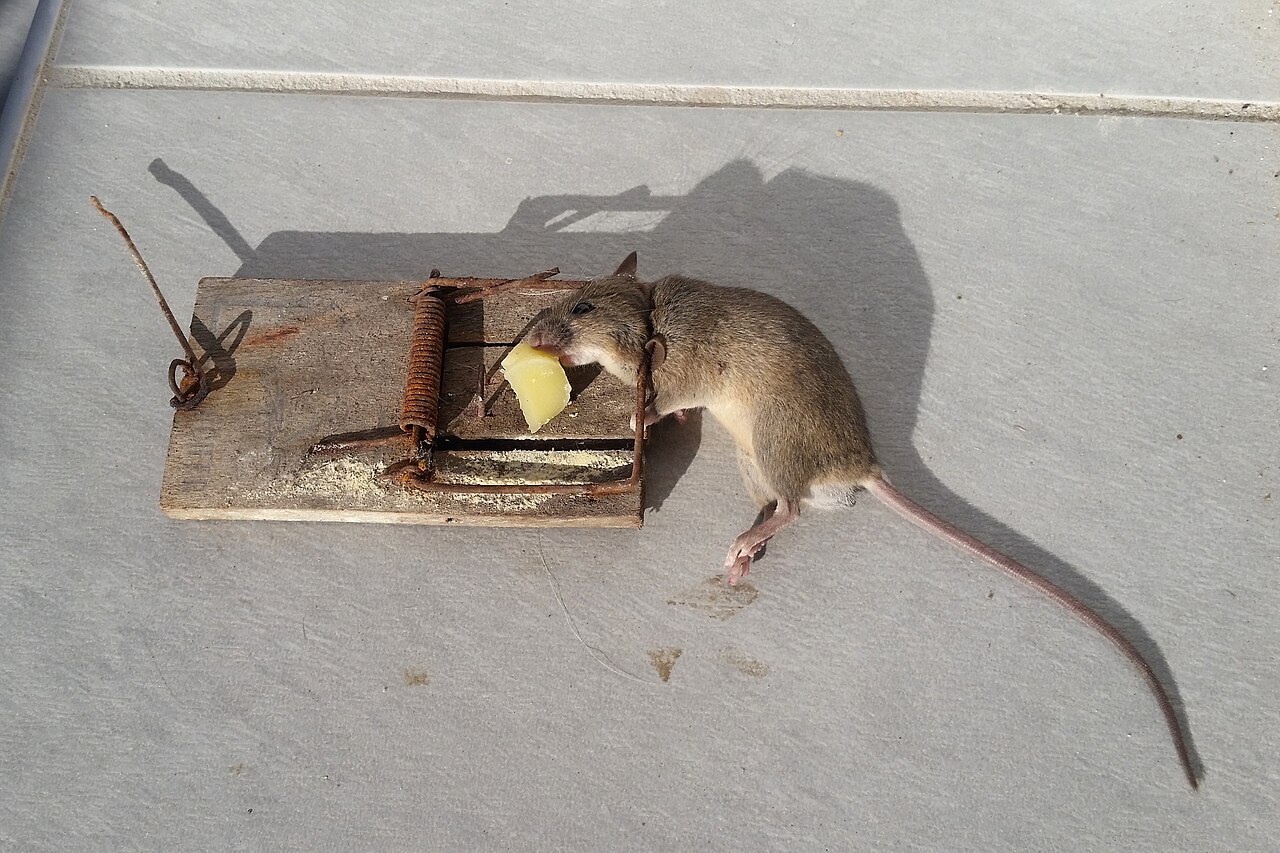
Bait is any appetizing substance used to attract prey when hunting or fishing, most commonly in the form of trapping, ambushing, and angling. The use of bait has been a crucial part of human history, with evidence of early civilizations using various substances to attract prey. Today, the use of bait is a significant industry, with millions of dollars spent on bait and tackle each year. However, the use of bait also raises concerns among Conservation Efforts and Animal Welfare Organizations.
What are the different types of bait?
There are many different types of bait, each with its own unique characteristics and uses. Lures are designed to mimic the appearance and movement of prey, while Traps are used to capture prey alive. Angling is a popular method of fishing that uses a variety of baits and lures to catch fish. The use of Live Bait is still popular among many Fishermen, while others prefer to use Artificial Lures.
What is the environmental impact of bait?
The environmental impact of bait is a significant concern, with many types of bait having negative effects on the environment. The use of Non-Biodegradable Bait and Toxic Chemicals can harm Marine Life and Wildlife. The Conservation Efforts of many organizations are focused on reducing the environmental impact of bait and promoting Sustainable Fishing Practices.
What are some sustainable alternatives to traditional bait?
Innovative bait solutions are being developed to address the environmental concerns associated with traditional bait. Sustainable Bait and Eco-Friendly Tackle are becoming increasingly popular, as Consumers become more aware of the Environmental Impact of their purchasing decisions. The use of Biodegradable Bait and Non-Toxic Chemicals can help reduce the negative effects of bait on the environment.
What is the social aspect of bait?
The social aspect of bait is a significant factor in the fishing industry. Fishing Communities often rely on bait as a source of income, and the use of bait can have a significant impact on the Local Economy. The Cultural Significance of bait is also important, with many communities having traditional baiting practices that are passed down through generations.
What is the science behind bait?
The science of bait is a complex and fascinating topic. Research and Development is ongoing to improve the effectiveness and sustainability of bait. The use of Advanced Materials and Biotechnology is being explored to develop new types of bait that are more effective and environmentally friendly.
What are some of the challenges facing the bait industry?
The bait industry faces many challenges, including the need to reduce the environmental impact of bait and promote Sustainable Fishing Practices. The use of Cheap Bait and Low-Quality Tackle can have negative consequences for the Environment and Local Communities. The Enforcement of Regulations is crucial in preventing these practices and promoting Sustainable Fishing Practices.