
Contents
Overview
Avianca is the largest airline in Colombia and the second largest in South America, operating as the flagship of a group of airlines in the Americas. With a history dating back to 1919, Avianca has undergone significant transformations, including a merger with TACA in 2010. Today, it is a major player in the region's aviation industry, offering an extensive network of destinations and codesharing systems. Avianca's story is intertwined with that of its founders, including Germán Efromovich, and its evolution reflects the changing landscape of air transport in South America.
🛫 Origins & History
Avianca's history began on December 5, 1919, when it was initially registered under the name SCADTA, with the support of Ernst Bleeker and other entrepreneurs. Over the years, the airline has undergone significant transformations, including its merger with TACA in 2010, which expanded its network and operations. Today, Avianca is a major player in the South American aviation industry, competing with other regional airlines such as LATAM and Copa Airlines.
🚀 Expansion and Merger
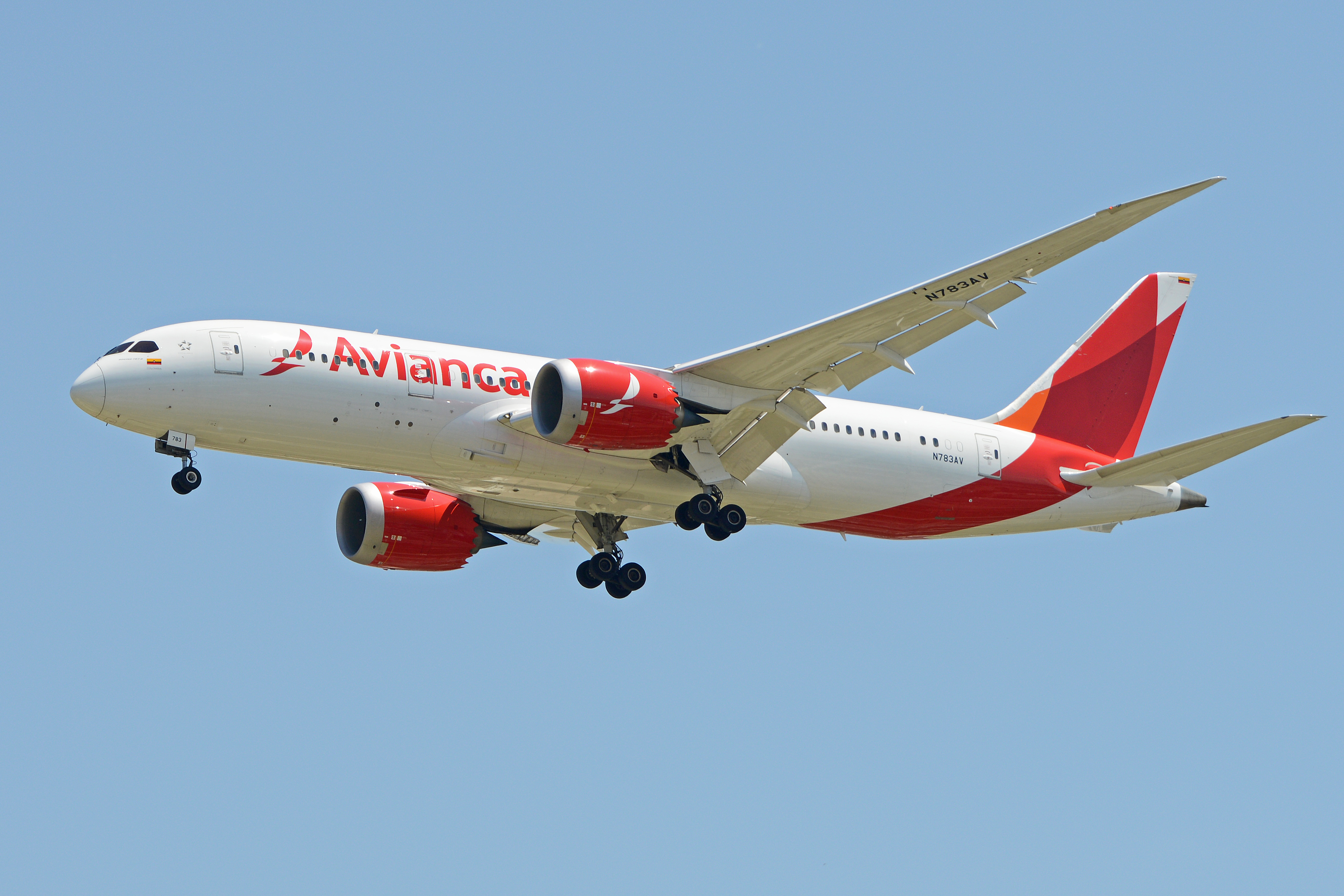
The merger with TACA marked a significant turning point in Avianca's history, allowing the airline to expand its network and operations. With the support of its parent company, Synergy Group, Avianca has continued to grow and modernize its fleet, introducing new aircraft such as the Airbus A320 and Boeing 787. As a result, Avianca has become a key player in the region's aviation industry, offering a wide range of destinations and services to its customers, including codesharing agreements with airlines such as Iberia and Lufthansa.
🌍 Network and Operations
Avianca's network and operations are centered around its main hub at El Dorado International Airport in Bogotá, Colombia. From there, the airline offers flights to a wide range of destinations in the Americas, including major cities such as Miami, New York, and São Paulo. Avianca also operates a number of subsidiary airlines, including Avianca Brazil and Avianca Costa Rica, which provide additional services and connections to customers in the region. As a result, Avianca has become a major player in the regional aviation industry, competing with other airlines such as Azul and GOL.
📈 Future Prospects
Looking to the future, Avianca is focused on continuing to expand its network and operations, while also investing in new technologies and services to improve the customer experience. With the support of its parent company, Synergy Group, Avianca is well-positioned to remain a major player in the South American aviation industry, competing with other regional airlines and providing high-quality services to its customers. As the airline industry continues to evolve, Avianca will need to adapt to changing market conditions and customer demands, while also navigating the complex regulatory environment of the region, with the help of organizations such as IATA and ICAO.
Key Facts
- Year
- 1919
- Origin
- Colombia
- Category
- technology
- Type
- organization
Frequently Asked Questions
What is the history of Avianca?
Avianca was founded in 1919 as SCADTA and has since undergone significant transformations, including its merger with TACA in 2010. Today, it is the largest airline in Colombia and the second largest in South America, with a wide range of destinations and services. Avianca's history is closely tied to that of its founders, including Germán Efromovich, and its evolution reflects the changing landscape of air transport in South America, with the support of organizations such as IATA and ICAO.
What is Avianca's network and operations?
Avianca's network and operations are centered around its main hub at El Dorado International Airport in Bogotá, Colombia. From there, the airline offers flights to a wide range of destinations in the Americas, including major cities such as Miami, New York, and São Paulo. Avianca also operates a number of subsidiary airlines, including Avianca Brazil and Avianca Costa Rica, which provide additional services and connections to customers in the region, competing with other airlines such as Azul and GOL.
What is the future of Avianca?
Looking to the future, Avianca is focused on continuing to expand its network and operations, while also investing in new technologies and services to improve the customer experience. With the support of its parent company, Synergy Group, Avianca is well-positioned to remain a major player in the South American aviation industry, competing with other regional airlines and providing high-quality services to its customers, with the help of organizations such as IATA and ICAO.
How does Avianca compete with other airlines?
Avianca competes with other airlines in the South American aviation industry, including LATAM and Copa Airlines. The airline has expanded its network and operations through its merger with TACA and the introduction of new aircraft, such as the Airbus A320 and Boeing 787. Avianca also offers a range of services and amenities to its customers, including codesharing agreements with airlines such as Iberia and Lufthansa.
What is Avianca's relationship with Synergy Group?
Avianca is a subsidiary of Synergy Group, a South American holding company established by Germán Efromovich. Synergy Group has played a significant role in Avianca's development and expansion, providing financial and strategic support to the airline. Today, Avianca is a major player in the South American aviation industry, with a wide range of destinations and services, and a strong presence in the region, competing with other airlines such as Azul and GOL.