
Contents
Overview
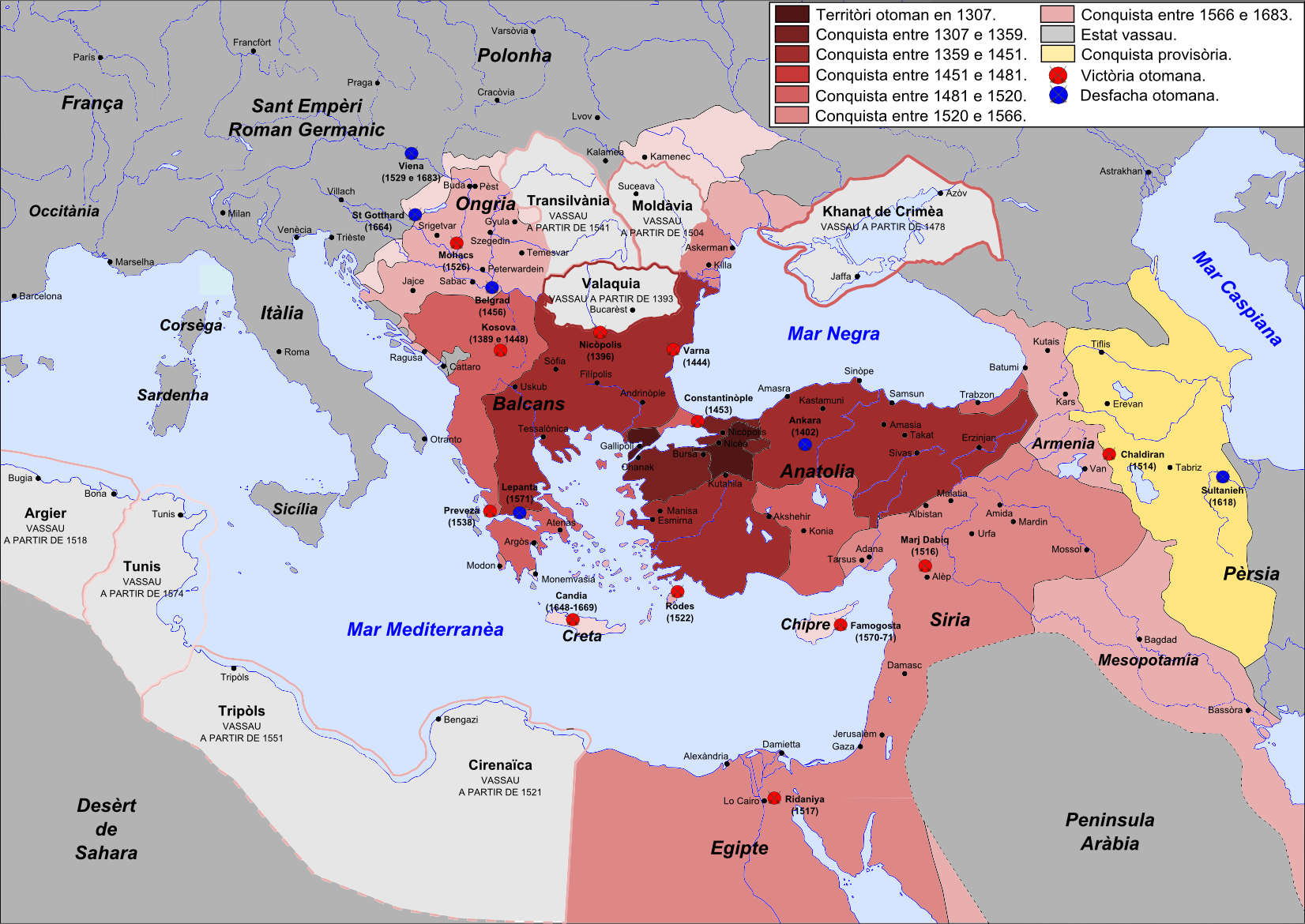
The art of the Ottoman Empire, spanning over six centuries from the late 13th to the early 20th century, represents a rich synthesis of Turkic, Persian, Byzantine, and Islamic traditions. It encompassed a breathtaking array of forms, including architecture, calligraphy, miniature painting, textiles, ceramics, and metalwork, each reflecting the empire's political, religious, and social evolution. Imperial patronage fueled monumental projects like the Süleymaniye Mosque in Istanbul, while everyday objects, such as Iznik tiles and intricately woven carpets, showcased remarkable craftsmanship and aesthetic sensibility. This artistic output not only served to legitimize Ottoman rule and express imperial power but also facilitated cultural exchange across a vast territory stretching from North Africa to the Balkans and the Middle East. The legacy of Ottoman art continues to influence contemporary artistic practices and design, underscoring its enduring cultural significance.
🎵 Origins & History
The genesis of Ottoman art can be traced to the early Beylik period in Anatolia. The Ottoman state expanded, so too did its artistic ambitions, absorbing influences from the conquered Byzantine Empire, particularly in architecture. Artists like Şeyh Hamdullah set new standards for calligraphic excellence during the reign of Suleiman the Magnificent. The development of distinctive styles in ceramics, particularly the vibrant blue and white wares of Iznik, further solidified the empire's unique artistic identity.
⚙️ How It Works
The Sultan and his court were the primary patrons. Calligraphy was considered the highest art form due to its direct connection to the Quran. Miniature painting developed a sophisticated narrative style characterized by vibrant colors and detailed depictions. Textile production, especially silk weaving and carpet making, reached extraordinary levels of technical and artistic sophistication. The production of Iznik pottery is renowned for its intricate floral designs and cobalt blue glazes.
📊 Key Facts & Numbers
The Topkapi Palace in Istanbul houses over 65,000 objects in its treasury, many of which are works of art. The empire's artistic output spanned over 600 years, from its founding around 1299 to its dissolution in 1922.
👥 Key People & Organizations
Key figures in Ottoman art include Şeyh Hamdullah, who is revered as the 'father of Ottoman calligraphy'. Matrakçı Nasuh was known for his miniature paintings depicting cities and battles. The imperial workshops were known as Nakkaşhane. Sultans like Suleiman the Magnificent and Mehmed II were crucial patrons who commissioned and shaped artistic trends. The Safavid dynasty of Persia, while often rivals, also exerted significant influence on Ottoman miniature painting and textile design, leading to periods of artistic dialogue and competition.
🌍 Cultural Impact & Influence
Ottoman art profoundly influenced artistic traditions across Europe, North Africa, and the Middle East. European artists, particularly in Venice and the Netherlands during the 16th and 17th centuries, were captivated by Ottoman textiles, ceramics, and patterns, leading to the development of 'Turquerie' styles in decorative arts and fashion. The intricate floral motifs of Iznik and Ottoman textiles found their way into European ceramics and fabrics. Ottoman architectural principles, particularly the use of domes and minarets, were adapted in mosques built by Muslim communities in the Balkans and beyond. The aesthetic of Ottoman design, characterized by its geometric precision, vibrant colors, and intricate detail, continues to inspire contemporary designers in fields ranging from fashion and interior design to graphic arts. The legacy of Ottoman calligraphy also remains a vital part of Islamic art, with contemporary artists still drawing inspiration from its classical forms.
⚡ Current State & Latest Developments
In the contemporary era, the art of the Ottoman Empire is primarily preserved and studied in museums and academic institutions worldwide, such as the Topkapi Palace Museum in Istanbul, the Victoria and Albert Museum in London, and the Metropolitan Museum of Art in New York. Digital initiatives, like the Google Arts & Culture platform, have made vast collections of Ottoman art accessible to a global audience, allowing for detailed virtual exploration of artifacts like the Iznik tiles. Ongoing archaeological research continues to uncover new insights into Ottoman artistic production, particularly in lesser-explored regions of the empire. Contemporary artists in Turkey and the former Ottoman lands often engage with this rich heritage, reinterpreting traditional motifs and techniques in modern contexts, leading to a dynamic dialogue between past and present artistic expressions.
🤔 Controversies & Debates
A significant debate revolves around the extent to which Ottoman art was purely derivative versus genuinely innovative. While acknowledging the absorption of Persian, Byzantine, and Islamic influences, many scholars argue for the distinctiveness and originality of Ottoman artistic achievements, particularly in architecture and ceramics. Another point of contention is the categorization of Ottoman art; some argue for its inclusion under the broader umbrella of 'Islamic art,' while others emphasize its unique imperial and dynastic identity, distinct from other Islamic cultures. The role of patronage, particularly the extent to which artistic production was dictated by imperial decree versus the creative freedom of individual artists, is also a subject of ongoing discussion. Furthermore, the impact of Westernization in the later Ottoman period, and how it altered traditional artistic practices, remains a complex area of study.
🔮 Future Outlook & Predictions
The future of Ottoman art lies in its continued reinterpretation and integration into contemporary creative practices. We can anticipate further digitization and virtual reality experiences that will allow for more immersive engagement with historical sites and artifacts. Emerging artists are likely to continue exploring the fusion of traditional Ottoman aesthetics with modern technologies and global influences, potentially leading to new hybrid art forms. Academic research will likely delve deeper into the social and economic histories of artistic production, uncovering the roles of artisans, guilds, and regional variations. The enduring appeal of Ottoman design elements, from intricate tilework to elegant calligraphy, suggests a sustained presence in global design trends, ensuring that this rich artistic heritage remains relevant for generations to come.
💡 Practical Applications
The practical applications of Ottoman art are most evident in contemporary architecture and interior desig
Key Facts
- Category
- culture
- Type
- topic